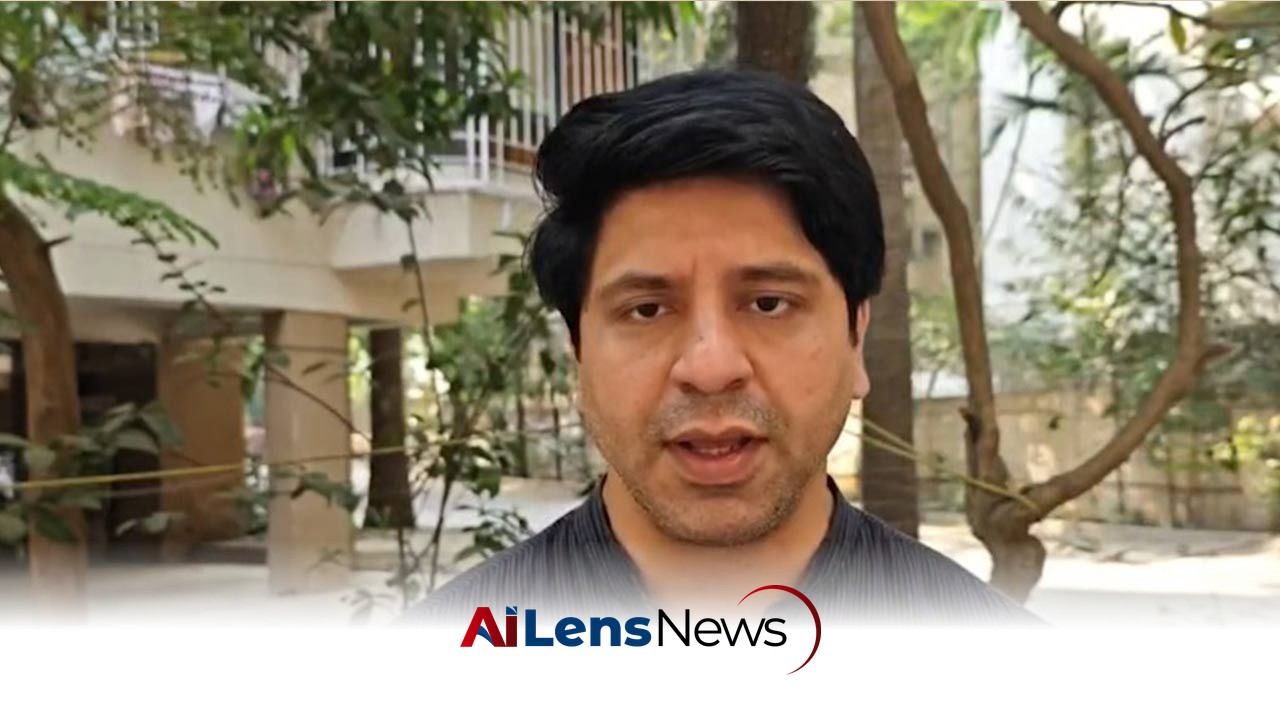


BJP spokesperson Shehzad Poonawalla has submitted his resignation to party chief Nitin Nabin, emphasizing personal and financial reasons for his departure.
New Delhi, India Aug 17, 2026 ALN: Patna: BJP national spokesperson Shehzad Poonawalla has once again submitted his resignation to party chief Nitin Nabin, citing pressing financial and personal circumstances. Poonawalla, who had previously tendered his resignation from all party posts, urged the BJP to accept his resignation letter, which the party had previously declined. This development marks a significant moment in his political journey and raises questions about the internal dynamics of the Bharatiya Janata Party (BJP).
Poonawalla initially offered to resign from all positions and his primary membership on July 30. Taking to social media platform X, he stated, “With utmost humility, sense of affection and gratitude, I have once again submitted my resignation letter to BJP, Nitin Nabin ji, and have requested that the same be accepted.” His repeated attempts to resign highlight the complexities he faces as a member of the party and the pressures that may have influenced his decision.
In his resignation communications, Poonawalla expressed gratitude to the party’s senior leadership, including Prime Minister Narendra Modi, Nitin Nabin, Amit Shah, JP Nadda, Rajnath Singh, and Nitin Gadkari, for their guidance, respect, and opportunities. This acknowledgment of leadership reflects the hierarchical nature of political parties in India, where loyalty to senior figures often plays a critical role in a member's career trajectory.
“In no other country and no other party would a story like mine, of a young, Pasmanda Muslim, non-dynast, even be possible,” he said. This statement underscores the unique position he occupies within the BJP, a party that has historically been perceived as favoring certain demographics over others. Poonawalla’s identity as a Pasmanda Muslim—a term that refers to the backward classes among Muslims—adds a layer of complexity to his political narrative, especially in the context of India's diverse social fabric.
While bidding farewell to the party and his role as a national spokesperson, Poonawalla affirmed his commitment to the vision of “Viksit Bharat” (Developed India) and making India great. His mention of this vision aligns with the BJP's broader narrative of development and progress, which has been a cornerstone of Modi's governance. Poonawalla's commitment to these ideals, even as he steps away from the party, indicates that he intends to remain engaged with the broader goals of national development.
“Our Mission, Vision to VIKSIT BHARAT & MAKE INDIA GREAT AGAIN will continue with more vigour and passion under the greatest leader India has had, Narendra Modi ji. Vande Mataram, Jai Hind,” he added. This patriotic tone resonates deeply with many BJP supporters, reflecting the party's emphasis on nationalism and pride in India's heritage.
Sharing his resignation letter, Poonawalla indicated it should be read in conjunction with his previous letter dated July 30, in which he had offered to resign unconditionally from all party positions and primary membership due to pressing financial and personal circumstances. This reiteration of his reasons for resignation suggests that his decision is not merely impulsive but rather the result of significant personal contemplation and external pressures.
He noted that he was grateful the party had initially declined to accept his resignation and had asked him to reconsider his decision. “After long and hard contemplation, I have arrived at a final decision that I would like to press for relieving me from my role as National Spokesperson and active primary membership of the BJP,” he stated. This reflection on his previous resignation attempt indicates a thoughtful approach to his political career, suggesting that he has weighed the pros and cons of remaining in the party against his personal circumstances.
Poonawalla mentioned that recent events involving certain individuals had reinforced his decision. “The events of the last few days, courtesy certain individuals about whom I have told you in great detail, have forced me to reinforce and stand by my earlier decision,” he said. This vague reference to specific events and individuals hints at potential conflicts or issues within the party that may have contributed to his resignation. It raises questions about the internal dynamics of the BJP and how they may affect members' decisions to stay or leave.
He reiterated his gratitude and respect for Prime Minister Modi, BJP President Nitin Nabin, and senior leaders, including Home Minister Amit Shah, Defence Minister Rajnath Singh, and BJP General Secretary (Organisation) BL Santhosh. Such acknowledgments are crucial in Indian politics, where maintaining good relations with senior leaders can significantly impact a politician's future prospects.
Poonawalla thanked the party for the platform and opportunities it had provided him over the past five years. “As stated earlier, due to pressing emergency financial and personal circumstances, I will move into the private sector. But wherever possible and in whatever format possible, I will continue to support the vision and work of Prime Minister Modi and the BJP,” he concluded. This transition to the private sector indicates a significant shift in his career path, suggesting that he may seek opportunities outside the political arena while still aligning himself with the party's broader goals.
“Like I said, I am only leaving the Vyavastha, not the Vyakti or Vichar,” Poonawalla added. This statement encapsulates his intention to separate himself from the organizational structure of the BJP while maintaining his personal beliefs and connections to the party's vision. It reflects a nuanced understanding of political loyalty, emphasizing that one's departure from a party does not necessarily equate to a complete ideological break.
The implications of Poonawalla's resignation extend beyond his personal circumstances. His departure may signal underlying tensions within the BJP, particularly related to the representation of minority communities and the challenges faced by non-dynastic politicians. As the BJP continues to navigate its identity in a rapidly changing political landscape, Poonawalla's resignation could serve as a catalyst for discussions about inclusivity and representation within the party, especially concerning marginalized groups.
In conclusion, Shehzad Poonawalla's resignation from the BJP is a significant event that reflects not only his personal circumstances but also broader themes within Indian politics, including representation, loyalty, and the challenges faced by individuals within political parties. As he transitions to the private sector, the political community will be watching closely to see how his journey unfolds and whether his departure will influence the BJP's approach to diversity and inclusion in the future.
To learn more about the latest developments in Political Controversies, stay updated with our exclusive reports and analyses on AiLensNews.

