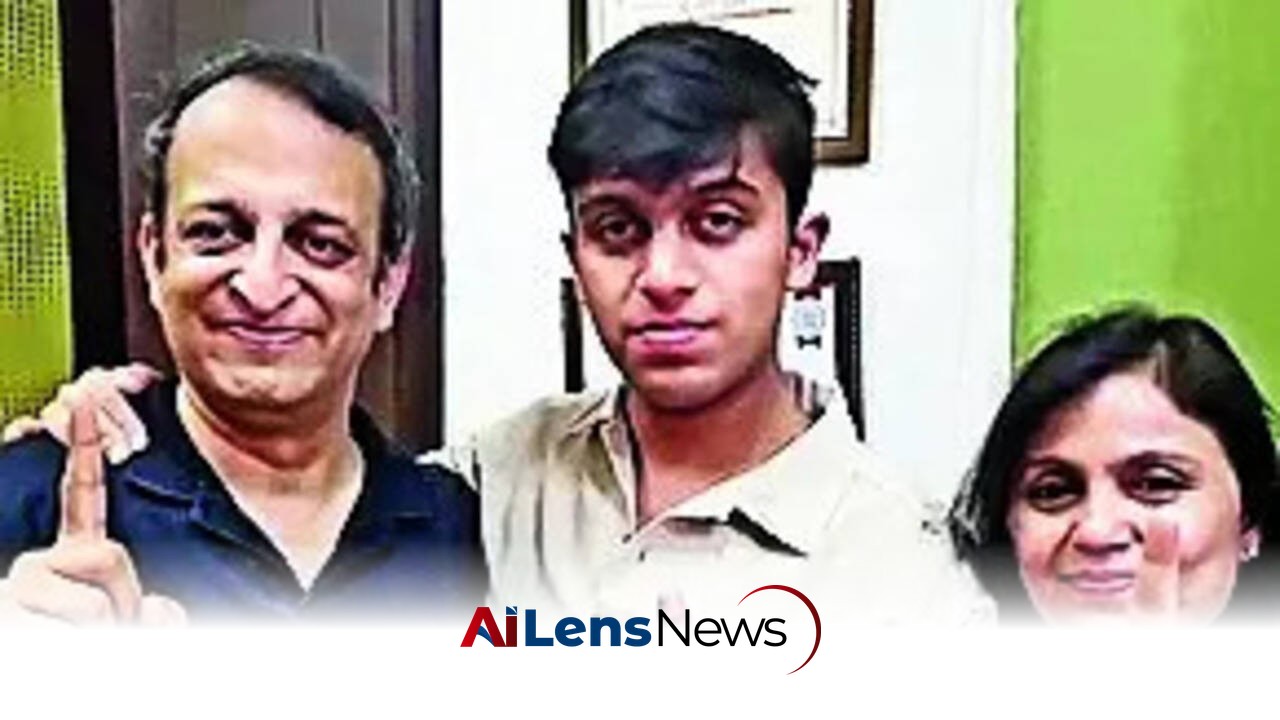


Medical aspirants showcased remarkable resilience following the NEET-UG exam cancellation, with top performers achieving exceptional scores despite challenges.
New Delhi, India Jul 18, 2026 ALN: In the wake of the NEET-UG exam cancellation, medical aspirants have demonstrated remarkable resilience and determination. The National Eligibility cum Entrance Test for Undergraduate (NEET-UG) is a crucial examination in , serving as a gateway for students aspiring to enter the medical field. Its cancellation has left many students in a state of uncertainty, as they had invested significant time and effort in preparing for the test. The decision to cancel the exam was met with mixed reactions, as some students expressed disappointment while others saw it as an opportunity to regroup and refocus their efforts.
The NEET-UG exam is a standardized test that assesses the knowledge and skills of students in subjects such as Physics, Chemistry, and Biology. It is a prerequisite for admission into various medical colleges across the country, making it one of the most significant examinations for aspiring doctors. Given the high stakes associated with this test, the cancellation has affected not only the students but also their families and educational institutions that have invested resources into preparing these candidates.
Many students faced renewed challenges and anxieties as they prepared for the exam once again. The rigorous preparation for NEET-UG typically involves months, if not years, of dedicated study, coaching, and practice. Students often attend coaching institutes, engage in extensive self-study, and participate in mock tests to enhance their performance. For many, the cancellation meant that they had to navigate their emotions and expectations once more. The psychological toll of such a significant setback cannot be underestimated. Students often experience immense pressure to perform well, and the uncertainty surrounding the exam's future only exacerbated their stress levels. However, amidst this turmoil, the resilience shown by many has been commendable.
Top performers such as Aryan Gupta and Panshul Bansal achieved exceptional scores, highlighting their dedication and effective coping mechanisms during this period of adversity. Their success serves as an inspiring example for their peers, showcasing what can be accomplished through hard work and perseverance. Both students utilized various strategies to maintain their focus and motivation. This included setting realistic goals, adhering to a structured study schedule, and seeking support from mentors and peers. Their ability to remain steadfast in their goals, despite the challenges posed by the cancellation, is a testament to their character.
The merit list reflects not only individual achievements but also the collective spirit of perseverance among these young individuals. In a competitive environment where thousands of students vie for limited seats in medical colleges, the pressure to excel is immense. The merit list is often seen as a validation of years of hard work, and for many, it symbolizes the culmination of their dreams. The students' ability to adapt and overcome obstacles is a testament to their commitment to their future careers in medicine. It reinforces the notion that resilience is a critical trait for anyone pursuing a career in healthcare, where challenges are part of the journey.
As these students move forward, their experiences underline the importance of resilience in the face of challenges. The NEET-UG exam may have been cancelled, but the determination of these aspirants to succeed remains unshaken. This determination is not just about passing an exam; it is about a lifelong commitment to learning and serving others in the medical field. The skills they have developed during this tumultuous time, including adaptability, stress management, and goal setting, will serve them well in their future endeavors.
In conclusion, the journey of these medical aspirants serves as a powerful reminder of the strength of the human spirit. Their stories of success amidst adversity will undoubtedly inspire future generations of students. The resilience they have shown is a valuable lesson for all, emphasizing that setbacks do not define one’s potential. Instead, it is how one responds to these setbacks that truly matters. As the education landscape continues to evolve, especially in light of unforeseen circumstances such as the pandemic and subsequent exam cancellations, the ability to adapt and persevere will remain essential traits for success.
The implications of the NEET-UG exam cancellation extend beyond individual students. It raises questions about the reliability of the examination system and the measures in place to ensure that students are assessed fairly and equitably. Moreover, it highlights the need for educational institutions and governing bodies to develop contingency plans that can accommodate unexpected changes in the examination schedule. This could involve alternative assessment methods, such as internal evaluations or standardized tests that can be administered in a more flexible manner.
Furthermore, the cancellation has sparked discussions about mental health support for students. The pressure to succeed in competitive examinations can lead to anxiety, depression, and burnout. Educational institutions and parents must recognize the importance of mental well-being and provide the necessary support systems to help students cope with the stresses associated with academic pressures. Initiatives such as counseling services, peer support groups, and workshops on stress management can play a crucial role in fostering a healthier learning environment.
As the educational landscape continues to adapt to new challenges, it is essential for students, educators, and policymakers to work together to create a more resilient system. This includes not only preparing students for exams but also equipping them with the skills needed to navigate the complexities of modern education and the workforce. The resilience demonstrated by medical aspirants in the face of adversity serves as a beacon of hope and a reminder that with determination and hard work, it is possible to overcome even the most daunting obstacles.
The NEET-UG exam cancellation has also prompted a broader discussion about the future of medical education in . Stakeholders are beginning to explore innovative approaches to medical training and assessment, which may include integrating technology into the learning process. For instance, online platforms for learning and assessment could provide students with flexible options that accommodate their individual learning styles and needs. Additionally, the increased use of simulation-based training could enhance practical skills without the need for traditional examination formats.
Moreover, the impact of this cancellation is not limited to the current batch of students. It raises concerns about the long-term implications for the healthcare workforce in . With a growing population and increasing healthcare needs, it is vital to ensure that the pipeline of future healthcare professionals remains robust. Delays in examinations and admissions could result in a shortage of qualified medical practitioners in the coming years, which could have serious implications for public health.
In light of these challenges, there is an urgent need for a collaborative effort among educational institutions, government bodies, and mental health professionals to create a supportive framework for students. This includes not only addressing immediate concerns related to exam cancellations but also looking at long-term strategies that prioritize student well-being and academic integrity. By fostering a culture of resilience and adaptability, the educational system can better prepare students for the inevitable challenges they will face in their academic and professional journeys.
Ultimately, the resilience displayed by medical aspirants in the face of the NEET-UG exam cancellation serves as a powerful lesson for all stakeholders involved in education. It emphasizes the importance of empathy, support, and understanding in navigating the complexities of academic life. As these students continue to pursue their dreams of becoming healthcare professionals, their experiences will undoubtedly shape the future of medical education in , paving the way for a more resilient and compassionate healthcare system.
To learn more about the latest developments in Public Opinion & Analysis, stay updated with our exclusive reports and analyses on AiLensNews.

