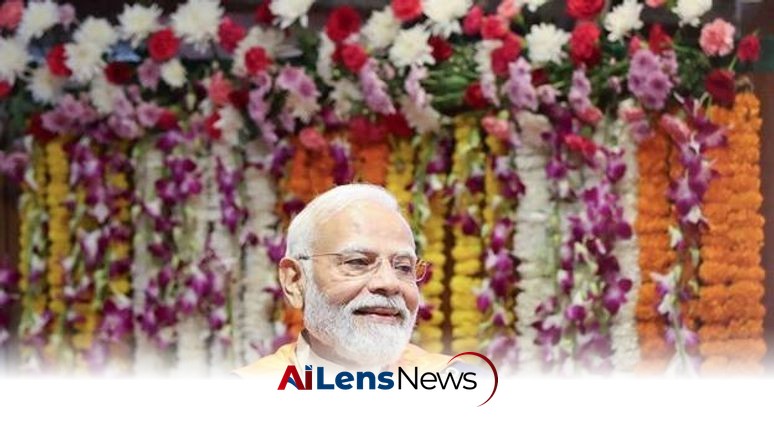


On the eve of Independence Day, PM Modi honors the victims of the 1947 Partition, emphasizing resilience and unity.
New Delhi, India Aug 14, 2026 ALN: Prime Minister Narendra Modi remembered the victims of the 1947 Partition on Friday, the eve of Independence Day. This annual observance serves as a poignant reminder of the tragic events that unfolded during one of the most significant turning points in Indian history.
The Modi government has been observing August 14 as the 'Partition Horrors Remembrance Day' since 2021, marking the day when the subcontinent was divided into two separate nations, India and Pakistan. This division led to widespread communal violence, resulting in the loss of countless lives, the displacement of millions, and a deep scar on the collective memory of the nation. The day is intended to honor those who lost their lives in riots following the country's division and the ensuing exodus that saw families torn apart and communities shattered.
In his message, Modi reflected on the profound impact of the Partition, stating, "Today we mark #PartitionHorrorsRemembranceDay. We recall the courage of all those who were impacted by Partition. It was a moment in history that tore apart several lives — families were uprooted, loved ones were lost, and immense suffering was endured." This acknowledgment of suffering is essential in understanding the historical context of the Partition and its long-lasting effects on the society and culture of the Indian subcontinent.
The Partition of India in 1947 was not merely a political event; it was a humanitarian crisis of epic proportions. Estimates suggest that around 15 million people were displaced as they fled their homes in search of safety in the newly formed nations. The violence that ensued claimed the lives of an estimated one to two million people, with many more suffering from the psychological scars of the brutalities they witnessed or experienced. The trauma of these events has had a lasting legacy, influencing inter-community relations and shaping the socio-political landscape of South Asia.
Modi's remarks also highlight the resilience of those who endured such hardship. He stated, "Despite the turmoil, people rebuilt their lives from nothing, turned adversity into achievement, and contributed to the nation's progress." This sentiment underscores the human capacity for resilience and the ability to overcome even the most daunting challenges. The stories of survival and rebirth following the Partition are crucial in understanding how individuals and communities have strived to move forward while grappling with their painful pasts.
Furthermore, the Prime Minister emphasized the importance of unity and harmony in the face of historical grievances. He stated, "May this day deepen our resolve to preserve harmony and brotherhood in our nation and collectively work towards building a 'Viksit Bharat' (Developed India)." This call to action resonates in contemporary India, where the need for communal harmony and national unity remains paramount. The lessons learned from the Partition can serve as a guide for fostering a more inclusive society that respects diversity and promotes peace among its citizens.
In a country as diverse as India, with a multitude of languages, religions, and cultures, the memory of the Partition serves as a reminder of the fragility of communal relations. The horrors experienced during that time can act as a cautionary tale against the dangers of sectarianism and division. Modi's emphasis on strengthening the national spirit of goodwill and unity is a crucial aspect of contemporary governance, especially in an era where divisive politics can threaten the fabric of society.
The Partition was not merely a historical event confined to the past; it continues to shape the present and future of India and Pakistan. The consequences of the Partition have reverberated through generations, affecting political relations, economic conditions, and societal attitudes. The memories of violence and displacement have fostered a complex relationship between the two nations, often characterized by tension and conflict. Understanding the Partition is essential for comprehending the ongoing challenges in Indo-Pak relations, including territorial disputes and communal strife.
In recent years, there has been a growing recognition of the need to address the historical grievances stemming from the Partition. Various initiatives have been launched to promote dialogue and reconciliation between communities affected by the violence. Educational programs aimed at teaching younger generations about the realities of the Partition are also being implemented, emphasizing the importance of empathy and understanding in building a cohesive society.
As India prepares to celebrate its Independence Day on Saturday, the observance of Partition Horrors Remembrance Day serves as a moment of reflection for the nation. It is a time to honor the sacrifices made by those who suffered during the Partition while also recognizing the importance of moving forward together as a united country. The challenges that lie ahead require a collective effort to ensure that the lessons of the past are not forgotten and that the spirit of resilience continues to thrive.
In conclusion, the commemoration of Partition Horrors Remembrance Day is not just a historical reflection; it is an invitation to engage with the complexities of India's past while working towards a future characterized by peace, unity, and progress. As Prime Minister Modi noted, it is essential to remember the strength of the human spirit and to strive for a nation where harmony prevails over discord. This day serves as both a remembrance and a call to action for all Indians to contribute to the ongoing journey of nation-building.
The observance of this day also highlights the importance of storytelling in preserving the memories of those affected by the Partition. Personal narratives, oral histories, and literary works that depict the experiences of individuals during this tumultuous time play a crucial role in keeping the memory alive. By sharing these stories, society can foster a deeper understanding of the human experiences behind historical events, encouraging empathy and solidarity among diverse communities.
Moreover, the commemoration is an opportunity to reflect on the role of government and civil society in addressing the needs of those who continue to bear the scars of the Partition. Initiatives aimed at supporting victims' families, promoting cultural heritage, and fostering community dialogue are essential in healing the wounds of the past. The government and various organizations can play a pivotal role in ensuring that the memories of those who suffered are honored and that their stories are not forgotten.
As the nation moves forward, it is imperative to remember that the journey towards reconciliation is ongoing. The Partition Horrors Remembrance Day serves as a reminder that while the past cannot be changed, the future can be shaped by the choices made today. By fostering a spirit of unity, understanding, and compassion, India can work towards a future where the horrors of the past do not define its identity but rather inform its commitment to building a more inclusive and harmonious society.
To learn more about the latest developments in Elections, stay updated with our exclusive reports and analyses on AiLensNews.

