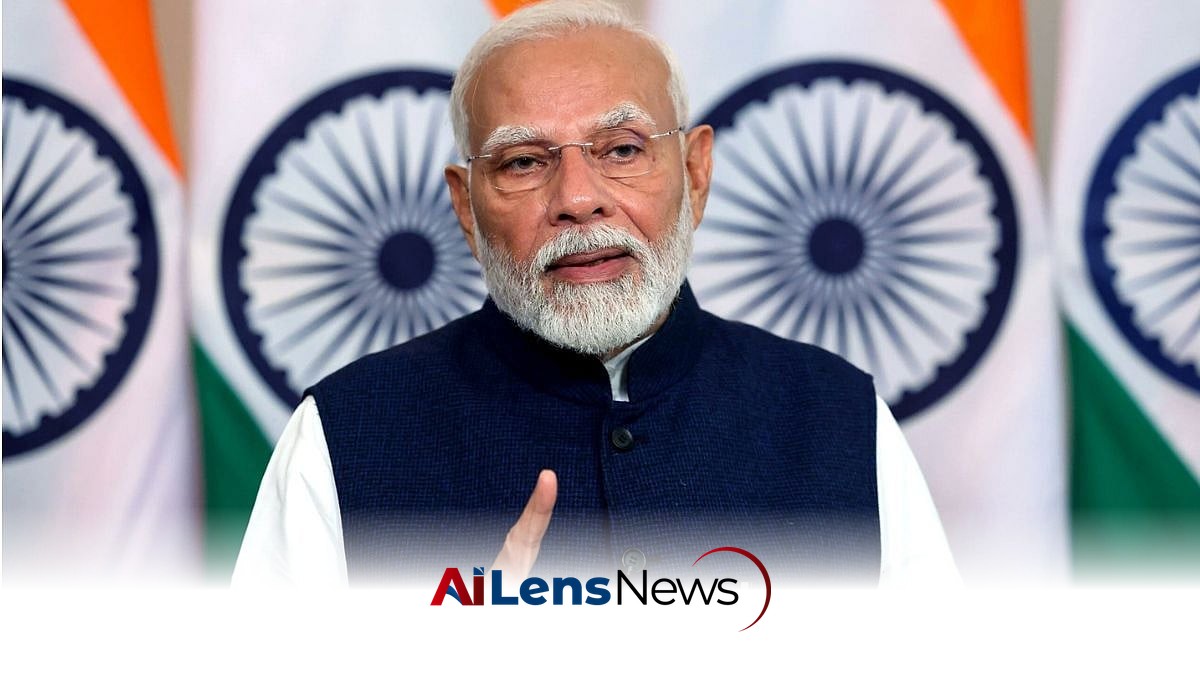


During an NDA parliamentary meeting, PM Modi condemned the NEET paper leak, vowing strict punishment for those responsible amidst ongoing protests.
New Delhi, India Jul 21, 2026 ALN: In recent days, the political landscape in India has been significantly altered by the controversy surrounding the National Eligibility cum Entrance Test (NEET) paper leak. This incident has sparked widespread protests and has drawn sharp criticism from various quarters, including Prime Minister Narendra Modi, who has labeled the leak a "grave sin." The implications of this situation extend far beyond the immediate protests, touching on issues of educational integrity, public trust in governmental institutions, and the broader societal impacts of academic pressures.
The NEET examination is a pivotal entry point for students aspiring to pursue medical education in India. Each year, millions of candidates vie for a limited number of seats in government and private medical colleges. The integrity of this examination is crucial, as it directly affects the future of countless students and their families. The recent leak of the NEET-UG paper has raised serious questions about the fairness of the examination process and has led to accusations of corruption and malpractice within the education system.
The NEET exam was introduced in 2013 to standardize the admission process for medical colleges and to eliminate the discrepancies and irregularities that plagued the previous system, which allowed for multiple entrance tests conducted by different states and institutions. The exam is highly competitive, with millions of students taking part each year, and the stakes are incredibly high, as success in this test can determine a student’s career trajectory. Given the intense competition, the integrity of the NEET examination is paramount, and any breach of this integrity can have far-reaching consequences.
As protests erupted in various locations, including the prominent site of Jantar Mantar in Delhi, demonstrators expressed their outrage not only over the paper leak itself but also over the perceived inaction of the government in addressing the concerns of students. The protests have seen participants displaying a range of emotions, from anger to desperation, as many students have reported feeling disillusioned by the system that is supposed to support them. The situation has escalated to violence, with reports indicating that over 100 police officers and more than 60 protesters sustained injuries during clashes that involved the use of lathicharge and teargas shells to disperse crowds.
The protests are not merely reactions to the leak but are reflective of a deeper crisis within the education sector in India. Students have articulated several demands, including the immediate release of Sonam Wangchuk, an influential figure advocating for educational reforms, along with calls for the resignation of Education Minister Dharmendra Pradhan. Moreover, they are demanding substantial compensation for families of NEET aspirants who have tragically taken their own lives in the aftermath of the leak. This highlights the severe emotional toll that such academic pressures can exert on students, particularly in a highly competitive environment where success is often equated with personal worth.
In response to the protests, Prime Minister Modi's strong condemnation of the leak reflects a growing recognition within the government of the need to restore public confidence in the educational system. His comments during the National Democratic Alliance (NDA) parliamentary meeting underscore the administration's commitment to addressing the issue with the seriousness it deserves. Modi's vow to impose strict punishments on those culpable in the leak signals an intent to hold individuals accountable and to deter future misconduct. However, critics argue that mere punitive measures may not be sufficient to address the root causes of the problem.
The path to resolution remains fraught with challenges. The protests have not only drawn attention to the NEET paper leak but have also illuminated broader systemic issues within India's education system, including the immense pressure placed on students, the prevalence of corruption, and the need for reforms that prioritize transparency and fairness in examinations. The ongoing unrest serves as a reminder of the urgent need for comprehensive educational reforms that address these underlying issues.
Additionally, the involvement of various political entities, such as the satirical Cockroach Janta Party (CJP), complicates the narrative. The CJP has emerged as a vocal critic of the government, leveraging the NEET controversy to galvanize support and draw attention to issues of governance and accountability. The party's protests have included allegations of artificial inflation of followers on social media, raising questions about the authenticity of political engagement in the digital age. The Mumbai Police have initiated a cyber forensic probe into these allegations, further entangling the situation in a web of political maneuvering and public scrutiny.
As the protests continue, the government faces the dual challenge of addressing the immediate concerns of the demonstrators while also grappling with the long-term implications of the NEET paper leak. The emotional and psychological impact on students, particularly those who have faced the brunt of academic pressures, cannot be understated. The tragic suicides of some aspirants have sparked a national conversation about mental health and the need for support systems within educational institutions.
Moreover, the events unfolding in Delhi are reflective of a larger trend in Indian society, where educational success is often viewed as the primary pathway to upward mobility. This societal pressure can lead to extreme measures, as evidenced by the tragic outcomes associated with the NEET paper leak. The government must not only focus on punitive measures against those responsible for the leak but also consider implementing reforms that alleviate the pressures faced by students, such as mental health support, counseling services, and a more holistic approach to education that values well-being alongside academic achievement.
In conclusion, the NEET paper leak has catalyzed a significant moment of reckoning for India's education system, highlighting the need for accountability, reform, and a compassionate approach to student welfare. As the situation continues to develop, it remains to be seen how the government will navigate these challenges and what impact the protests will have on future educational policies. The stakes are high, as the integrity of the educational system and the well-being of millions of students hang in the balance. The NEET paper leak serves as a poignant reminder of the urgent need for systemic changes that prioritize transparency, fairness, and the mental health of students within the educational framework.
To learn more about the latest developments in Political Controversies, stay updated with our exclusive reports and analyses on AiLensNews.

