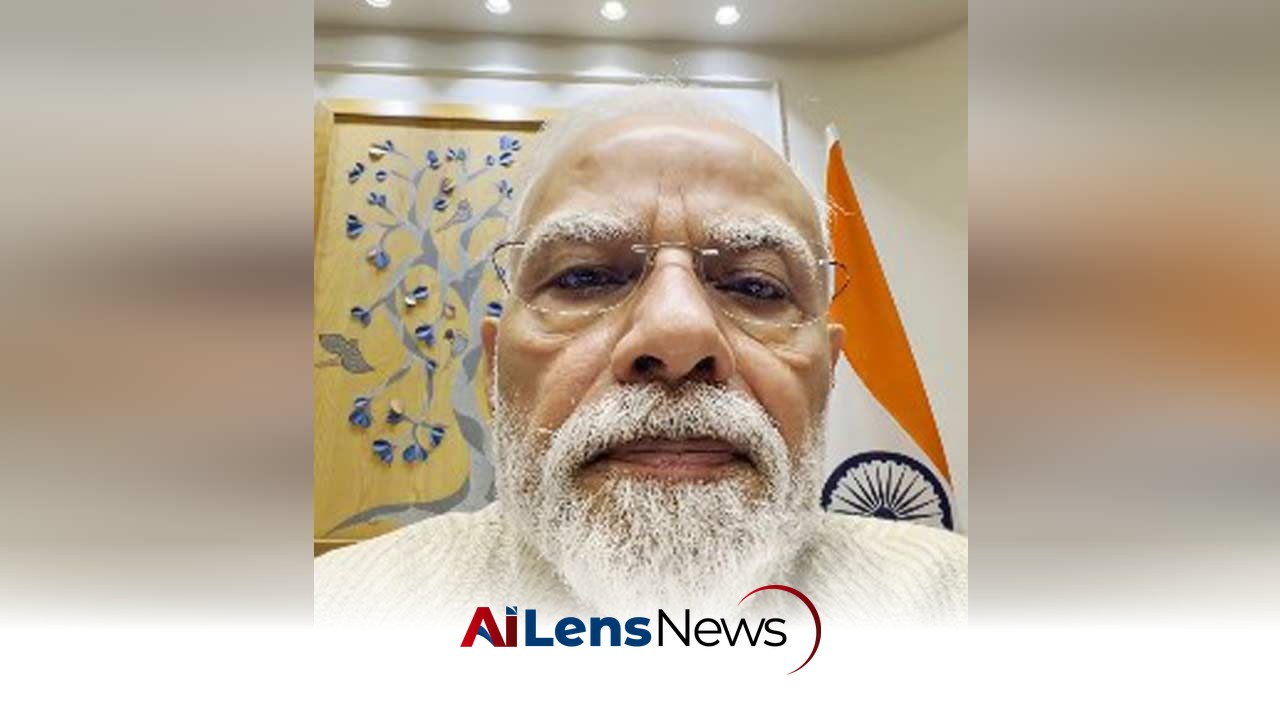


Prime Minister Narendra Modi announces a draft Bill aimed at imposing stricter penalties and fast-track courts to combat paper leaks, with plans to introduce it in Parliament next week.
New Delhi, India Jul 24, 2026 ALN: New Delhi: Prime Minister Narendra Modi has announced that the Central government has prepared a comprehensive draft Bill to introduce stricter provisions and stringent punishments for paper leak cases. This initiative comes in response to a series of incidents that have raised concerns about the integrity of examination processes across the country, affecting not only students but also the credibility of educational institutions and the overall examination system.
The proposal will be discussed in the Union Cabinet meeting on Friday and is expected to be introduced and passed in the ongoing session of Parliament next week. This legislative action is significant as it aims to address a pressing issue that has plagued various competitive examinations in India, including those for medical, engineering, and civil services, among others.
Taking to his official X account, PM Modi in a video message said: “More strict actions against paper leaks to come in tomorrow’s Cabinet!” This statement underscores the government's commitment to tackling this issue head-on. The Prime Minister’s proactive approach indicates a recognition of the urgency required in addressing the problem of paper leaks, which not only disrupt the examination process but also erode public trust in the systems designed to ensure fairness and meritocracy.
Addressing the deep distress caused by paper leaks to students and their families, the Prime Minister said on Thursday that the Union government has taken multiple measures over the past two-and-a-half months, leading to the arrest and imprisonment of those responsible. These measures reflect a broader strategy to enhance the security of examination papers and to hold accountable those who engage in corrupt practices.
“I am aware that paper leaks cause immense distress to students and their parents,” he added. This acknowledgment highlights the emotional and psychological toll that such incidents take on students, many of whom invest significant time and resources in preparing for these crucial examinations. The pressure to succeed in competitive exams is immense, and any breach of integrity can have devastating consequences for aspirants.
Highlighting the Union government’s priority to safeguard the future of examinees, PM Modi on his X account said that all resources were mobilised to conduct examinations without delay for nearly 22 lakh (2.2 million) students. This statistic underscores the scale of the challenge faced by the government and the importance of ensuring that examinations are conducted fairly and transparently.
“The results were declared just five days ago on July 19, and we are receiving news of the joy felt by successful students across the country,” he added. This statement not only reflects the success of the recent examinations but also serves as a reminder of the stakes involved for students and their families. The government’s efforts to ensure timely results are crucial in maintaining the momentum of student preparation and confidence in the examination system.
The Prime Minister emphasised that the Union government will not rest on its laurels. He personally worked tirelessly to prepare a strong proposal for fast-track courts and stringent punishments for those involved in examination malpractices. This personal involvement illustrates the seriousness with which the Prime Minister views the issue and his commitment to enacting meaningful reforms.
“This matter is likely to be discussed in the Cabinet tomorrow, and the proposal will be finalised after incorporating suggestions from Cabinet colleagues,” he stated. The collaborative approach in finalising the Bill suggests that the government is seeking to build a consensus on the best way forward, ensuring that the proposed measures are comprehensive and effective.
“As the second week of the Parliamentary session begins on Monday, we will strive to have the Bill passed in the House as quickly as possible,” PM Modi asserted. The urgency of this legislative action indicates the government’s recognition of the need for timely intervention to prevent further incidents of paper leaks, which have become a recurring issue in recent years.
The proposed legislation is being viewed as a decisive step to deter future incidents of paper leaks and ensure the integrity of competitive examinations. The implications of this Bill extend beyond mere punitive measures; they signify a commitment to restoring faith in the examination system, which is crucial for the future of education and employment in India.
Sources indicate that the Bill will include harsher penalties, time-bound trials through fast-track special courts, and stronger accountability measures for institutions and individuals involved in such crimes. This multifaceted approach aims not only to punish wrongdoing but also to create a deterrent effect, discouraging potential offenders from engaging in corrupt practices.
The announcement comes amid growing public concern over recurring leaks in major entrance and recruitment examinations. In recent years, high-profile cases of paper leaks have sparked outrage among students and parents alike, leading to protests and calls for reform. The government's response to these incidents has been scrutinised, and the introduction of this Bill is seen as a necessary step to address public dissatisfaction and restore confidence in the examination process.
By promising swift legislative action, the Union government aims to restore confidence among millions of aspirants who prepare rigorously for these exams every year. The integrity of the examination process is paramount for maintaining a level playing field, and the government’s commitment to reform is crucial in ensuring that all students have a fair opportunity to succeed based on merit.
In conclusion, the introduction of this anti-paper leak Bill represents a significant move by the Indian government to address a critical issue affecting the education sector. As discussions in the Cabinet and Parliament unfold, stakeholders will be closely watching the proposed measures and their potential impact on the future of examinations in India. The success of this initiative will depend not only on the legislative process but also on the effective implementation of the measures outlined in the Bill, ensuring that the integrity of the examination system is upheld for generations to come.
To learn more about the latest developments in Policies & Reforms, stay updated with our exclusive reports and analyses on AiLensNews.

