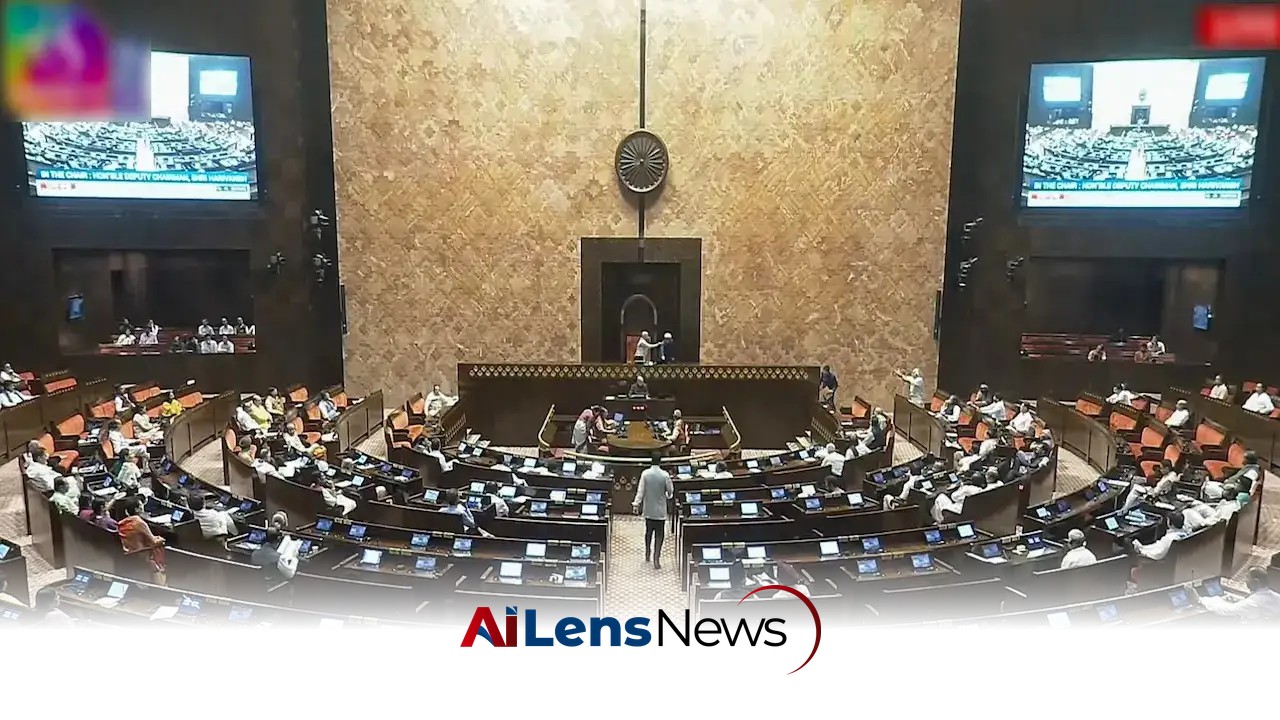


The Public Examinations (Prevention of Unfair Means) Amendment Bill, 2026, has been approved by Parliament, introducing stricter penalties for examination fraud.
New Delhi, India Jul 30, 2026 ALN: New Delhi: A day after it was passed in the Lok Sabha, the Public Examinations (Prevention of Unfair Means) Amendment Bill, 2026 cleared the Rajya Sabha test on Thursday following a day-long debate, even as the Opposition staged a walkout. The swift passage of the bill highlights the government's commitment to addressing the persistent issue of examination fraud, which has plagued the education system in India for years. Having cleared Parliament, the bill will now be sent to President Droupadi Murmu for assent before it becomes law.
Opposition attacks govt
The passage of the bill was not without controversy, as members of the Opposition expressed strong dissatisfaction with the government's approach. Mallikarjun Kharge, the Leader of Opposition in Rajya Sabha, articulated concerns regarding the effectiveness of stricter punishments alone in curbing paper leaks. He emphasized the need for comprehensive reforms in the examination system, including enhanced institutional accountability, to create a more robust framework that protects the interests of students.
“What would make a difference is how the government conducts these examinations. Paper leaks hurt innocent students and their parents,” Kharge stated, underscoring the emotional and financial toll that these leaks impose on families across the nation. His remarks reflect a broader sentiment among many stakeholders who believe that punitive measures alone will not suffice to eradicate the deep-rooted issues within the examination system.
Further criticism came from Akhilesh Yadav, the chief of the Samajwadi Party, who suggested that the amendments were a reaction to the mounting pressure from student protests. He pointed out that despite the introduction of the 2024 Act, which aimed to criminalize organized exam fraud, instances of paper leaks continued, particularly in states governed by the Bharatiya Janata Party (BJP). Yadav's comments highlight the ongoing struggle between the ruling party and the opposition regarding the effectiveness of existing laws and the government's accountability in addressing systemic failures.
“This law existed in 2024 as well… The new law enacted for 2026 came about under pressure — when large numbers of students took to the streets,” Yadav remarked, suggesting that the government's response was reactive rather than proactive.
In contrast, BJP MP Dinesh Sharma defended the bill, labeling it a “historic” moment for the Parliament. He accused the Congress party of evading a meaningful debate on the issue, which he believes is crucial for the future of India's youth. “This is a historic event… It is unfortunate that the Congress was shying away from the discussion,” he stated, reflecting the BJP's perspective that the legislation is a significant step forward in combating examination fraud.
Jitendra Singh slams Opposition
Amid the heated exchanges, Minister of State Jitendra Singh responded to the Opposition's criticisms with a call for constructive dialogue. He expressed disappointment over the walkout, emphasizing that the bill was introduced with a sense of humility and a desire for collaboration. Singh's remarks highlighted the importance of addressing the issue of examination fraud, which he framed as a concern that affects every citizen of India.
“But, as the Leader of the House, JP Nadda, has already mentioned, it is unfortunate that many of the honourable members who were most vociferous in raising objections chose to walk out when it was time for their issues and points to be responded to,” Singh noted. His comments reflect a broader frustration among government officials regarding the lack of engagement from the Opposition, particularly on issues that have far-reaching implications for the education sector and society at large.
The 2024 Act
The Public Examinations (Prevention of Unfair Means) Act, 2024 was introduced in response to widespread protests that erupted following the NEET-UG paper leak and other irregularities in examinations. The 2024 Act sought to criminalize organized exam fraud and was seen as a necessary step to restore faith in the examination process. However, despite the enactment of this law, the recurrence of paper leaks, particularly in the NEET-UG 2026 examination, raised questions about the effectiveness of the measures taken.
The situation escalated in 2026, culminating in widespread student protests led by the Cockroach Janta Party (CJP), which demanded systemic reforms and accountability from the government. The protests, which lasted for 47 days at Jantar Mantar, were marked by calls for the resignation of Union Education Minister Dharmendra Pradhan and sparked intense debates in Parliament about the adequacy of existing laws and the need for further reforms.
Changes under amended law
The amendments introduced in the 2026 bill retain the core framework of the Public Examinations (Prevention of Unfair Means) Act, 2024, but significantly strengthen punishments and timelines associated with examination fraud. Notably, individuals convicted of using unfair means will now face imprisonment of five to ten years, an increase from the previous three to five years. This change reflects a growing recognition of the severity of examination fraud and its impact on the integrity of the education system.
These amendments are designed to expedite the legal process regarding examination fraud and ensure that those responsible are held accountable in a timely manner. The introduction of fast-track courts is particularly noteworthy, as it aims to alleviate the backlog of cases and provide a more efficient judicial response to these pressing issues.
The implications of the amended law are significant, as they signal the government's commitment to addressing the challenges posed by examination fraud in India. By increasing penalties and expediting legal proceedings, the government hopes to deter potential offenders and restore public confidence in the examination system. However, the effectiveness of these measures will ultimately depend on the government's ability to implement them effectively and ensure that the necessary reforms are made to the examination process itself.
In conclusion, while the passage of the Public Examinations (Prevention of Unfair Means) Amendment Bill, 2026 marks a crucial step in the fight against examination fraud, the broader conversation about systemic reforms and accountability remains essential. As stakeholders continue to debate the efficacy of the government's approach, the focus will undoubtedly remain on ensuring that the education system in India is fair, transparent, and accessible to all students.
To learn more about the latest developments in Elections, stay updated with our exclusive reports and analyses on AiLensNews.

