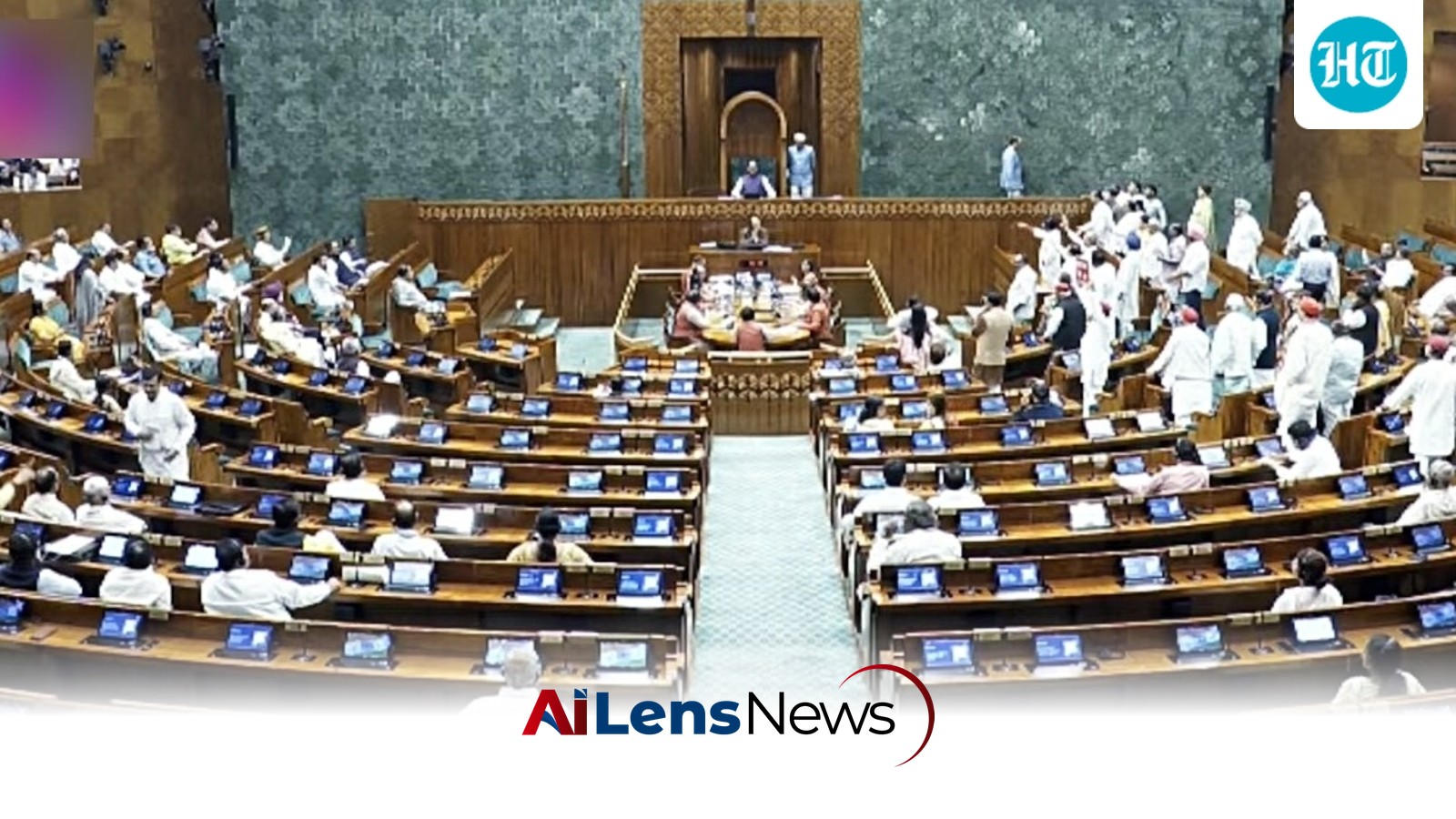


The Lok Sabha was adjourned as the Opposition raised concerns over the use of pellet guns against student protesters and demanded the resignation of Home Minister Amit Shah.
New Delhi, India Jul 31, 2026 ALN: The Parliament's monsoon session has been notably tumultuous, characterized by significant disruptions primarily instigated by the Opposition's vehement protests over the handling of student demonstrations related to the NEET paper leak scandal. This situation has escalated tensions within both houses of Parliament, resulting in multiple adjournments as lawmakers grapple with the implications of the protests and the broader concerns surrounding student welfare and government accountability.
The NEET (National Eligibility cum Entrance Test) paper leak has emerged as a focal point for student unrest, raising serious questions about the integrity of competitive examinations in India. The NEET is a critical examination for aspiring medical students, and any suggestion of malpractice or corruption can have far-reaching consequences for students' futures. The allegations surrounding the paper leak suggest a systemic failure that has not only affected students' trust in the examination process but has also sparked widespread protests across various educational institutions.
During the ongoing session, the Lok Sabha was adjourned shortly after it commenced, illustrating the high level of discontent among opposition members. Protests were particularly vocal in the Rajya Sabha, where slogans such as ‘paper leak ki sarkar’ reverberated, reflecting the Opposition's unified stance against the government's handling of the situation. The protests have been led by prominent figures such as Congress leader Rahul Gandhi, who has criticized the government for its heavy-handed response to student demonstrations.
Gandhi's remarks have highlighted the use of force against protesting students, specifically mentioning the deployment of pellet guns and AK-47s as tools of intimidation. This assertion has raised serious ethical questions about the government's approach to dissent and the rights of citizens to peacefully protest. The Opposition's demand for the resignation of Home Minister Amit Shah underscores the gravity of the situation, as they hold him accountable for the perceived overreach of law enforcement during the protests.
Rahul Gandhi's sharp critique of Prime Minister Narendra Modi and Home Minister Shah has underscored a broader concern regarding the government's treatment of youth and dissenting voices. His assertion that the government cannot silence the younger generation through intimidation has resonated with many students and activists who feel marginalized by current policies. This sentiment reflects a growing discontent among the youth, who are increasingly vocal about their rights and expectations from the government.
In a related incident, Congress leader Priyanka Gandhi's comments regarding IIT Madras Director Professor V Kamakoti have sparked backlash from the academic community, leading to calls for an apology. This incident highlights the sensitive nature of discourse surrounding educational institutions and the individuals who lead them, particularly in the context of ongoing protests and public scrutiny.
As the monsoon session progresses, several bills have been scheduled for discussion, including:
The Registration of Births and Deaths (Amendment) Bill aims to streamline the processes related to vital statistics, which are crucial for effective governance and planning. The Supreme Court (Number of Judges) Amendment Bill seeks to address the pressing need for judicial reform in light of increasing case backlogs and the demand for timely justice. Meanwhile, the Micro, Small and Medium Enterprises Development (Amendment) Bill is designed to bolster support for small businesses, which play a vital role in the Indian economy.
Despite the government's efforts to advance its legislative agenda, the Opposition remains steadfast in its commitment to holding the government accountable for its actions, particularly concerning the NEET paper leak and the treatment of student protesters. The implications of these developments extend beyond the immediate political landscape, as they reflect broader societal concerns about governance, accountability, and the rights of citizens to express dissent.
As the session continues, the atmosphere in Parliament remains charged, with the potential for further disruptions looming. The government faces the dual challenge of advancing its legislative priorities while addressing the growing discontent among students and the Opposition. The outcome of this session could have lasting implications for the political landscape in India, particularly as it relates to youth engagement and the government's approach to dissent.
To learn more about the latest developments in Elections, stay updated with our exclusive reports and analyses on AiLensNews.

