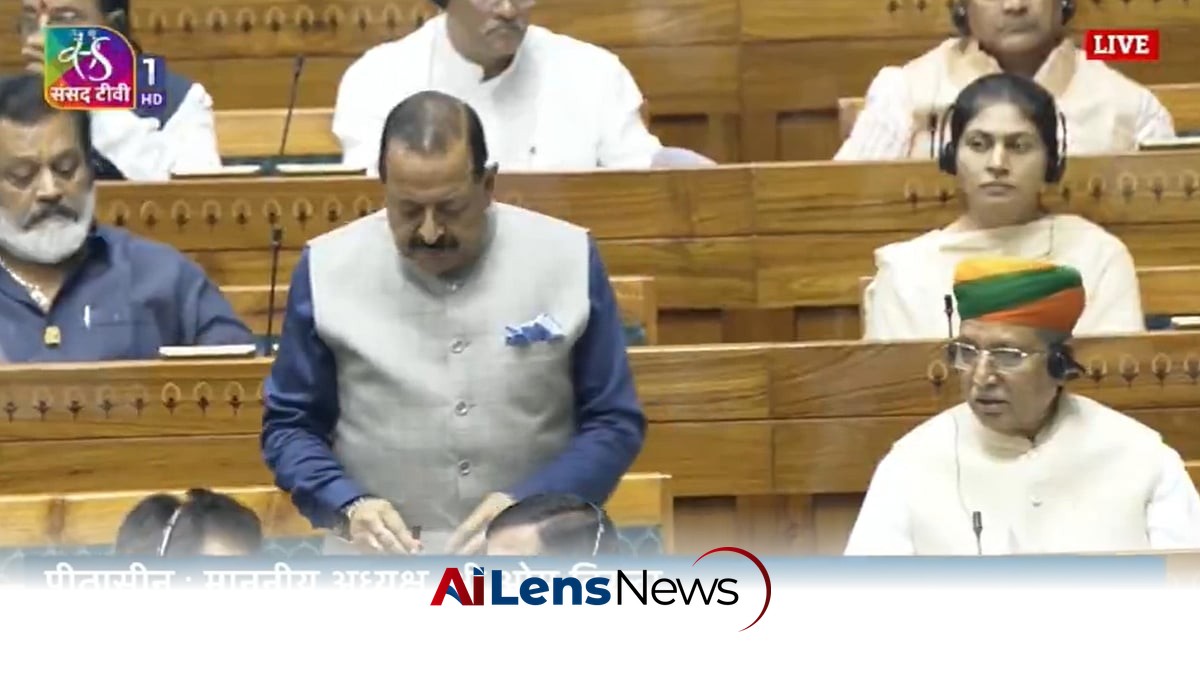


Union Minister Dr. Jitendra Singh tables a significant amendment bill aimed at enhancing penalties for paper leak offenses during the Monsoon Session.
New Delhi, India Jul 27, 2026 ALN: New Delhi: As Parliament reconvenes after the weekend, the Centre is set to introduce a Bill on Monday to amend the Public Examinations (Prevention of Unfair Means) Act, 2024, with tougher penalties for paper leak-related offences. This legislative move comes in response to ongoing concerns regarding the integrity of public examinations in India, which have been marred by numerous instances of paper leaks and allegations of unfair practices.
Union Minister Dr. Jitendra Singh will table the amendment during the Monsoon Session. The proposed changes seek to raise the maximum punishment under the existing provisions to 10 years' imprisonment and increase the maximum fine to Rs 10 crore. Such measures signal a significant tightening of the legal framework surrounding public examinations, aimed at deterring potential offenders and restoring public trust in the examination process. The minister is also expected to move a motion for the Bill to be taken up for consideration and passed by the House, although Bills are typically not introduced and passed on the same day, indicating a procedural approach that may allow for further discussion and debate.
Deadlock over NEET issue
The first week of the Monsoon Session was largely washed out due to a political deadlock over the NEET paper leak controversy and the demand for the resignation of former Education Minister Dharmendra Pradhan. The National Eligibility cum Entrance Test (NEET) has been a focal point of contention, with students and opposition parties alleging that the integrity of the examination has been compromised. The demands for Pradhan's resignation reflect a broader dissatisfaction with the government's handling of education-related issues, particularly in light of the recent protests by students who feel aggrieved by the examination process.
Task force announced
In a bid to address these systemic issues, Prime Minister Narendra Modi announced the formation of a high-powered task force, headed by Infosys co-founder Nandan Nilekani, to recommend reforms aimed at making India's examination system more reliable, transparent, and technology-driven. This initiative underscores the government's recognition of the need for comprehensive reform in the examination landscape, which has faced criticism for its susceptibility to malpractice and inefficiency. The involvement of a prominent figure like Nilekani, known for his contributions to technology and governance, adds credibility to the task force's potential recommendations.
Union Minister Jitendra Singh introduced the Public Examinations (Prevention of Unfair Means) Amendment Bill, 2026, in the Lok Sabha on Monday. The proposed legislation seeks to amend the existing law governing unfair practices in public examinations. Further details of the Bill are awaited, but the introduction of such a significant amendment indicates a proactive approach by the government to tackle the challenges posed by paper leaks and other forms of examination misconduct.
Chief Justice of India Surya Kant orally observed that the right to peaceful and lawful protest is constitutionally protected and that mere agitation cannot justify a lathi-charge. This statement reflects the judiciary's stance on the importance of upholding democratic rights amid the tensions surrounding the NEET issue and the broader context of student protests. The judiciary's involvement may also influence how the government approaches the ongoing unrest and the legislative changes being proposed.
Former education minister Dharmendra Pradhan was welcomed with chants of "Dharmendra Pradhan Zindabad" at the Makar Dwar of the Parliament building by NDA MPs. Opposition MPs raised slogans against him, highlighting the polarized atmosphere in Parliament regarding educational reforms and accountability. This division illustrates the broader political implications of the NEET controversy, where the actions of the government are scrutinized and debated intensely.
Lok Sabha Leader of the Opposition Rahul Gandhi arrived for a meeting of Opposition leaders in Parliament, indicating ongoing discussions among opposition parties regarding their collective response to the government's proposals and the handling of the NEET controversy. The role of opposition parties in shaping the debate around educational reforms will be crucial as they seek to hold the government accountable while also addressing the concerns of students and parents alike.
Parliamentary Affairs Minister Kiren Rijiju remarked, "This is a big day for all of us. Regarding the incidents of paper leaks in the country so far and the recent students' protest, PM Modi took major steps and made announcements. But today, a concrete Bill is being brought," emphasizing the government's commitment to addressing the pressing issues surrounding public examinations. Rijiju's comments underscore the significance of the amendment bill as a legislative response to the ongoing challenges faced by the examination system.
Young MPs, including BJP's Bansuri Swaraj and Tejasvi Surya, and Shiv Sena's Shrikant Shinde, are going to participate in the debate from the Treasury benches. Their involvement signifies a generational shift in political engagement, as younger lawmakers bring fresh perspectives to longstanding issues. The participation of these MPs may also resonate with the youth demographic, which has been significantly impacted by the examination controversies.
Speaking on the Public Examinations (Prevention of Unfair Means) Amendment Bill, 2026, NCPI MP Saayoni Ghosh stated, "From the start, we wanted to have a discussion on this. The opposition was reluctant to discuss this; we would hope that they will cooperate." Ghosh's comments reflect the ongoing tension between the government and opposition regarding the discourse on educational reforms. The willingness to engage in constructive dialogue is crucial for finding common ground on such a critical issue.
"The steps taken by the PM and the government, and the way the views of the youth and students were heard, are a welcome step. As a parliamentarian, I would hope that there is a constructive discussion on this," she added, highlighting the importance of inclusive dialogue in shaping effective policy. The emphasis on student voices in the legislative process is particularly significant, as it underscores the need for policies that are responsive to the needs and concerns of the younger generation.
In conclusion, the introduction of the Public Examinations (Prevention of Unfair Means) Amendment Bill, 2026, marks a pivotal moment in the ongoing efforts to reform India's examination system. The proposed amendments, alongside the establishment of a task force, reflect a comprehensive approach to tackling the challenges posed by paper leaks and unfair practices. As the Monsoon Session progresses, the debates surrounding this Bill will likely shape the future of public examinations in India, with implications for students, educators, and policymakers alike.
To learn more about the latest developments in Elections, stay updated with our exclusive reports and analyses on AiLensNews.

