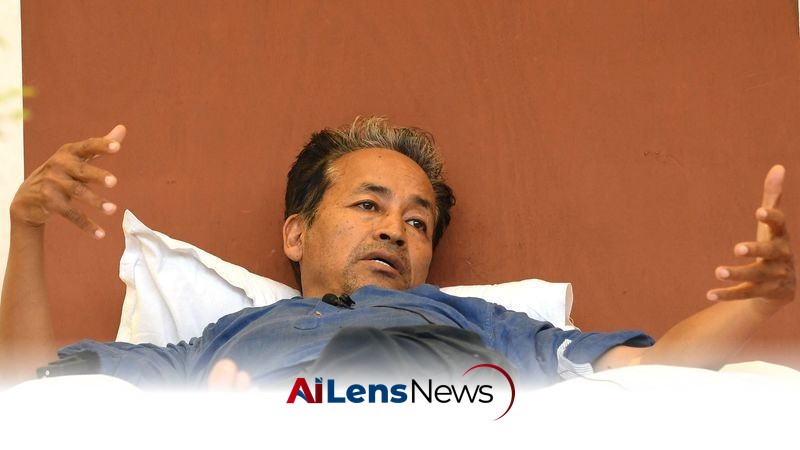


A delegation of opposition MPs is set to visit Sonam Wangchuk at Medanta Hospital to persuade him to end his fast, assuring him that educational issues will be addressed in Parliament.
New Delhi, India Jul 22, 2026 ALN: A delegation of opposition Members of Parliament (MPs) is scheduled to visit Sonam Wangchuk at Medanta Hospital in Gurugram to persuade him to end his 25-day fast. Wangchuk, a prominent education reform advocate, has been fasting to draw attention to alleged irregularities in competitive examinations and the need for accountability in the education sector. His fast is not merely a personal protest but a significant act aimed at igniting a broader conversation about the integrity of India's educational system and its long-term implications for students and society.
Sources indicate that the MPs will assure Wangchuk that his concerns regarding the education system will be raised in Parliament. They aim to emphasize that his efforts are recognized and that his health is a priority. This visit by the opposition MPs reflects their strategic move to align themselves with a popular cause that resonates with a large segment of the population, particularly students, parents, and educators who have been increasingly vocal about the need for reform.
Wangchuk, known for his innovative approaches to education, began his fast to highlight the pressing issues within India's educational framework. His actions have sparked widespread discussions about the integrity of competitive examinations and the overall accountability of educational institutions. The competitive examination system in India, which is crucial for students aspiring to enter prestigious colleges and universities, has faced scrutiny over the years due to allegations of corruption, favoritism, and a lack of transparency.
Wangchuk's methods and philosophies are influenced by his experiences and observations as an educator and reformer. He has long advocated for an educational model that is not only focused on rote learning but also emphasizes critical thinking, creativity, and practical skills. His fast is a continuation of his lifelong commitment to improving education in India, particularly for marginalized communities.
Wangchuk's activism is rooted in his belief that education should empower students rather than merely serve as a means to an end. He has been a vocal critic of the existing education system, which he argues often stifles creativity and critical thinking in favor of standardized testing and rote memorization. His approach to education reform has included promoting alternative educational models that prioritize experiential learning and holistic development.
The opposition MPs' visit underscores the political ramifications of Wangchuk's protest. By engaging with him, they hope to leverage his influence to advocate for educational reforms that resonate with the public. The MPs are expected to communicate their commitment to addressing these issues in legislative discussions. This political engagement is crucial as it highlights the intersection of activism and governance, illustrating how grassroots movements can influence policy-making.
Furthermore, the opposition's involvement may also serve to unite various factions within the political landscape, rallying them around a common cause that transcends party lines. The educational sector is a significant area of concern for many constituents, and addressing these issues could be a pivotal point for the opposition as they seek to gain traction in upcoming elections.
Political analysts suggest that the timing of this engagement is particularly strategic, as it comes at a time when public dissatisfaction with the education system is on the rise. The pressure on the ruling government to respond to these concerns is mounting, especially in light of the increasing number of protests and movements advocating for educational reform across the country. The opposition's alignment with Wangchuk's cause may bolster their credibility among voters who prioritize education reform.
Wangchuk's fast has garnered significant public attention, with many expressing solidarity with his cause. Social media platforms have been flooded with messages of support, urging the government to take immediate action on the highlighted concerns. This grassroots support is crucial, as it not only amplifies Wangchuk's message but also puts pressure on policymakers to respond to the demands of the public.
Educational reform is a topic that resonates deeply with many in India, where millions of students face intense pressure to succeed in competitive examinations. The current system is often criticized for being overly rigid and failing to accommodate diverse learning styles and needs. As such, Wangchuk's fast has become a rallying point for those advocating for a more inclusive and effective educational framework.
Moreover, Wangchuk's fast has sparked discussions beyond just the immediate issues of examination integrity. It has also prompted conversations about the broader educational landscape in India, including the need for mental health support for students, the importance of vocational training, and the role of technology in education. These discussions are vital as they highlight the multifaceted nature of educational challenges in the country.
The delegation's visit is anticipated to take place soon, with the hope that it will lead to a constructive dialogue between Wangchuk and the political leaders. The outcome of this meeting could potentially influence future policies regarding education in India. If the MPs are able to effectively communicate Wangchuk's concerns and advocate for change, it could lead to significant legislative initiatives aimed at reforming the education sector.
As the situation develops, many are watching closely to see how the government will respond to the pressing issues raised by Wangchuk and the opposition. The implications of this fast extend beyond just the immediate health concerns for Wangchuk; they touch on the broader educational landscape and the future of millions of students in India. The response from the government and the subsequent actions taken could set a precedent for how educational issues are addressed in the future.
In conclusion, Sonam Wangchuk's fast has not only brought attention to critical issues within the Indian education system but has also catalyzed a political response that could lead to meaningful change. As the dialogue between Wangchuk and the opposition unfolds, it remains to be seen how this will shape the future of educational policy in India and whether it will lead to a more accountable and equitable system for all students.
To learn more about the latest developments in Political Controversies, stay updated with our exclusive reports and analyses on AiLensNews.

