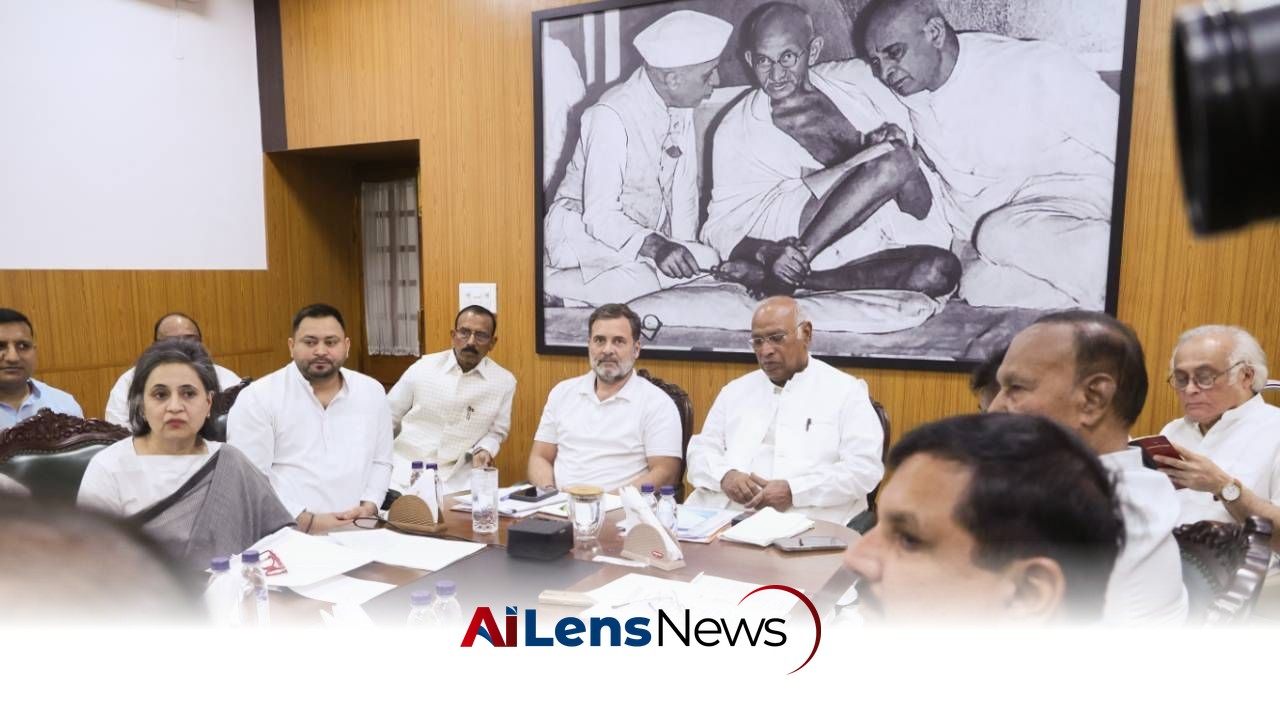


The Congress-led Opposition plans to confront the Union government on key issues, including alleged donation theft at Ayodhya's Ram Temple and the NEET-UG paper leak, during the upcoming Monsoon session of Parliament.
New Delhi, India Jul 20, 2026 ALN: New Delhi: The Opposition, spearheaded by the Congress party, has announced its intention to press the Union government for answers on several pressing issues during the Monsoon session of Parliament, which begins tomorrow. Key topics include the alleged theft of donations at Ayodhya’s Ram Temple, the NEET-UG paper leak, the forced hospitalization of climate activist Sonam Wangchuk, rising inflation, and large-scale defections among opposition parties.
The Ram Temple in Ayodhya has been a focal point of political and religious significance in India for decades. The temple, which is being constructed at the site believed to be the birthplace of Lord Ram, has garnered substantial donations from various sources, including individuals and organizations. Allegations of mismanagement or theft of these donations have sparked outrage among supporters and raised questions about transparency in the temple's financial dealings. The Opposition argues that the government must address these allegations to uphold the integrity of the temple and the faith of its followers.
Speaking to reporters, Congress MP Kumari Selja stated, “We will definitely raise several issues. There are concerns related to students, the theft at the Ram Temple, and rising inflation. The government neither sees nor hears the concerns of the people. Inflation is increasing, with hiked prices of petrol, but the government is not explaining its policy.” Inflation has been a persistent issue in India, particularly affecting the cost of essential goods and services. Rising fuel prices, in particular, have a cascading effect on transportation costs and the prices of everyday items, leading to widespread discontent among the populace.
Selja also highlighted the confusion surrounding the ethanol issue, saying, “Experts are unable to explain anything, and consumers are the ones facing problems.” The government’s push for ethanol blending in fuel is part of its broader strategy to reduce dependence on fossil fuels and promote renewable energy. However, the implementation and impact of this policy have raised concerns among consumers and industry experts alike, leading to calls for clearer communication from the government regarding its energy policies.
During an all-party meeting convened by the Centre, Congress MP Gaurav Gogoi emphasized that there are numerous issues facing the country that are more critical than the Bills the government intends to introduce. “The Opposition has consistently demanded that these issues be discussed in Parliament, and the government should respond to them,” he remarked. This sentiment reflects a growing frustration among opposition parties regarding the government's perceived lack of responsiveness to pressing national issues, particularly those affecting students and the general public.
Gogoi urged the government to show “sensitivity” regarding the alleged theft of donations at the Ram Temple, referencing a joint letter written by Leader of Opposition in the Rajya Sabha, Mallikarjun Kharge, and Leader of Opposition in the Lok Sabha, Rahul Gandhi, to Prime Minister Narendra Modi. This letter underscores the Opposition's demand for accountability and transparency in the management of funds related to the temple, which is seen as a symbol of cultural pride for many Hindus.
“We are witnessing injustice against students and various protests across the country, yet there is no accountability from the government,” he added. The NEET-UG paper leak incident, which has resulted in significant distress among students preparing for medical entrance exams, has further fueled the Opposition's call for government accountability. The implications of such leaks are profound, as they undermine the integrity of the examination process and can have devastating effects on students' futures.
Congress MP Manish Tewari pointed out that the Centre’s attention should also be directed towards the defections among various opposition parties. “The mandate given by the people in 2024 and the current composition of the Lok Sabha are very different. Therefore, Parliament should first deliberate on the issue of large-scale defections. These defections have not occurred due to ideological differences or policy disagreements, but rather due to opportunism,” he stated. This assertion highlights the ongoing political instability in the country, where the shifting loyalties of elected representatives can significantly alter the balance of power in Parliament.
Tewari stressed, “Parliament should prioritize discussing how to stop these defections.” The issue of defections is not merely a procedural concern; it raises questions about the democratic process and the accountability of elected officials to their constituents. The Opposition argues that such political maneuvering undermines the electorate’s trust in the democratic system.
Samajwadi Party MP Dharmendra Yadav, speaking after the all-party meeting, mentioned, “We have put forward many issues on behalf of our party and have demanded that the government bring these matters up for discussion in the House. We expect the House to allow discussion on our notice.” Yadav’s remarks reflect a broader strategy among opposition parties to unify their voices in demanding accountability from the government on a range of issues, from financial mismanagement to student welfare.
He highlighted the theft of funds and donations during the construction of the Ram Mandir as a significant issue, stating, “It is a matter of betrayal and fraud, which has hurt the sentiments of the Sanatanis. We demand that these matters be brought to the House and that the people be given an opportunity to hear and understand them.” This assertion underscores the emotional and cultural significance of the temple to many Hindus, and the potential fallout from any allegations of wrongdoing associated with its funding could have far-reaching consequences for the ruling party.
Yadav also noted that the NEET-UG paper leak, including the related suicides of students and the forced hospitalization of Sonam Wangchuk, are critical issues that will be raised in Parliament. Wangchuk, a prominent climate activist, has been vocal about environmental issues and has faced significant backlash for his activism. His hospitalization has raised concerns about the treatment of dissenting voices in India, particularly those advocating for urgent action on climate change.
CPI-M leader Hannan Mollah criticized the BJP-led government, calling it a regime of “corruption, scandals, anti-democratic activities, and looters.” He stated, “Allegations have surfaced that money is being looted from the Ram Mandir and several other temples, which are being managed by RSS and BJP members. There are many similar issues on which the government must reply. I don’t know why they always run away from replying.” Mollah’s comments reflect a growing narrative among opposition leaders that the current government is failing to uphold democratic principles and transparency, which could resonate with voters as the political landscape continues to evolve.
As the Monsoon session approaches, the Opposition's strategy is clear: to hold the government accountable for these pressing issues and ensure that they are addressed in Parliament. The outcome of these discussions could significantly impact the political climate in India, as the opposition seeks to regain public trust and highlight their commitment to addressing the concerns of the citizens. With rising inflation, educational integrity, and allegations of corruption at the forefront, the government’s responses in the upcoming session will be closely scrutinized both by the Opposition and the general public.
To learn more about the latest developments in Political Controversies, stay updated with our exclusive reports and analyses on AiLensNews.

