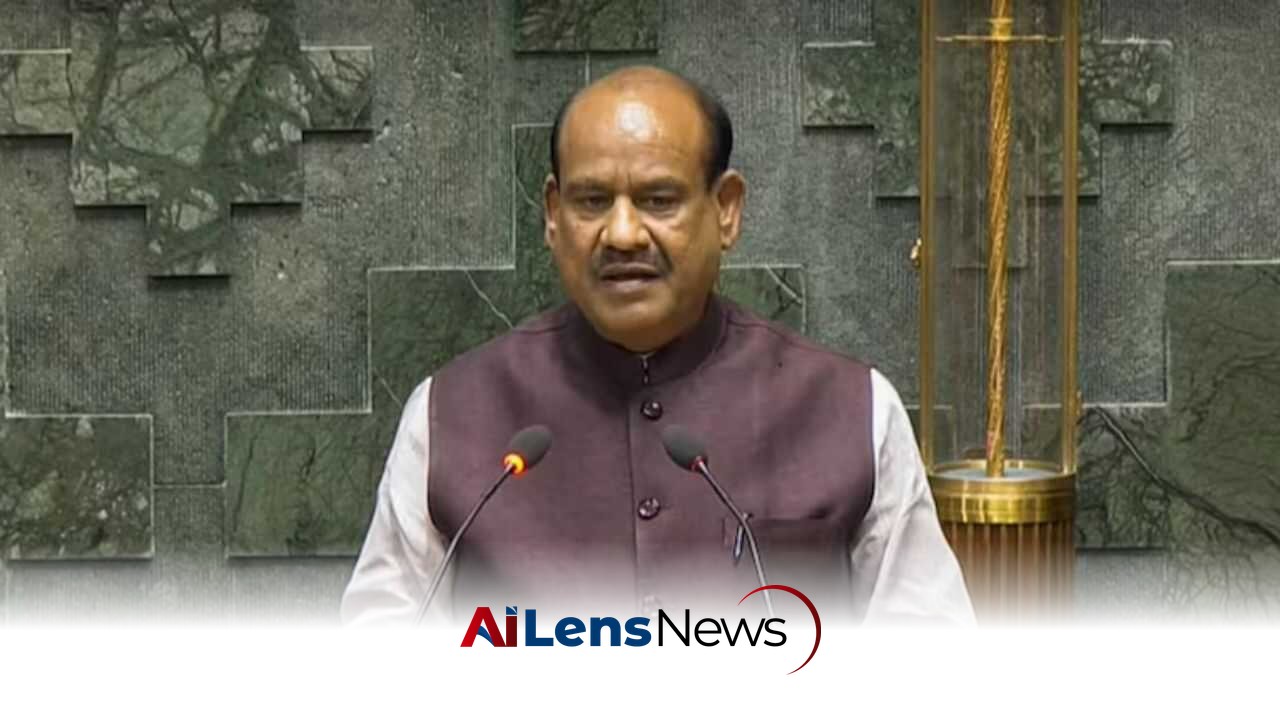


The Speaker's decision strengthens the BJP-led NDA in the Lok Sabha as six rebel MPs from UBT join the Shinde faction of Shiv Sena.
New Delhi, India Jul 19, 2026 ALN: In a significant development for the BJP-led National Democratic Alliance (NDA), Lok Sabha Speaker Om Birla has officially recognized the decision of six rebel MPs from the Uddhav Balasaheb Thackeray (UBT) faction of Shiv Sena to join the Eknath Shinde-led Shiv Sena. This move is expected to bolster the NDA's position in the Lok Sabha, enhancing its majority, and is indicative of the ongoing realignment within Maharashtra’s political landscape.
The recognition of these MPs marks a pivotal moment in the ongoing political reshuffle within Maharashtra's political landscape. The six MPs, who had previously aligned with the UBT faction, have now shifted their allegiance to the Shinde faction, which has been gaining momentum since its formation. This shift is not merely a change of party affiliation but reflects deeper ideological and strategic realignments within the state's political framework.
The Shiv Sena has a long and complex history in Maharashtra politics, originally founded in 1966 by Bal Thackeray. The party has traditionally represented the interests of the Marathi-speaking population and has been a significant player in the state's politics. However, in 2022, a split occurred within the party, leading to the formation of two factions: the UBT faction, led by Uddhav Thackeray, and the Shinde faction, led by Eknath Shinde. This division was characterized by differing visions for the party's future and governance strategies, particularly in relation to alliances with other political parties.
The Shinde faction, which aligned itself with the BJP, has been gaining traction, especially after the Maharashtra government underwent a significant reshuffle. The BJP and the Shinde faction have forged a strong alliance, which has allowed them to consolidate power and influence within the state assembly and beyond. The recent decision by the Lok Sabha Speaker to recognize the rebel MPs joining this faction is a testament to their growing strength.
This decision by Speaker Birla not only strengthens the NDA's ranks but also raises questions about the future of the UBT faction. The UBT faction, which has been struggling to maintain its relevance in the face of this exodus, now faces a critical juncture. With the addition of these MPs, the Shinde-led Shiv Sena is likely to gain more influence in the Lok Sabha, potentially impacting legislative decisions and party dynamics. The shift in allegiance may lead to a realignment of power within the Lok Sabha, affecting the legislative agenda and the ability of the opposition to challenge the ruling coalition.
The implications extend beyond just the immediate power dynamics in the Lok Sabha. The recognition of these MPs may embolden other factions within the UBT and encourage further defections, leading to a potential weakening of the opposition's stance. Additionally, this shift could provoke a response from the UBT faction, which may seek to consolidate its position or forge new alliances to counter the growing influence of the Shinde faction.
While the Speaker has made a decisive call regarding the six rebel MPs, he has yet to finalize the merger of 20 rebel Trinamool Congress (TMC) MPs with the lesser-known Nationalist Citizens Party of (NCPI). This pending decision could further alter the political landscape in the Lok Sabha, depending on how it unfolds. The outcome of this merger has the potential to shift the balance of power within the NDA and could lead to further fragmentation among opposition parties.
The TMC, which has been a significant player in West Bengal politics, has faced its own internal challenges. The rebellion among its MPs indicates possible dissatisfaction with the party leadership or strategic disagreements regarding alliances. The merger with NCPI could be seen as a strategic move to maintain political relevance and influence, especially as the next general elections approach.
As the political scenario continues to evolve, the implications of these changes will be closely monitored by political analysts and party leaders alike. The Shinde faction's growing strength could lead to new alliances and shifts in voter sentiment as the next elections approach. The political landscape in Maharashtra, traditionally dominated by the Shiv Sena and the Congress, is witnessing a transformation that could redefine party loyalties and voter bases.
Moreover, the recognition of the rebel MPs joining the Shinde faction could inspire similar moves across other states, where political realignments are also taking place. The dynamics of coalition politics are complex, and the ability of parties to adapt to changing political realities will be crucial in the lead-up to elections.
In conclusion, the recognition of the rebel MPs joining the Shinde faction signifies a crucial moment for the NDA, potentially reshaping the balance of power in the Lok Sabha. As parties navigate this shifting landscape, the consequences of these realignments will be felt not just in Maharashtra but across the nation, influencing political strategies and voter behavior in the months to come.
Political realignments are not a new phenomenon in n politics. The history of the Shiv Sena itself is a testament to the volatility and dynamism of regional parties in Maharashtra. Over the decades, the party has undergone various transformations, often adapting its strategies and alliances based on the changing political climate. The split in 2022 was a culmination of internal disagreements that had been brewing for years, highlighting the challenges faced by regional parties in maintaining unity amidst ideological differences.
The Shiv Sena's alliance with the BJP in the past was a strategic move that helped both parties consolidate power in Maharashtra. However, the subsequent fallout and the formation of rival factions underscore the complexities of coalition politics, where differing priorities and leadership styles can lead to significant rifts. The recent developments, including the recognition of rebel MPs, reflect the ongoing struggle for dominance within the party and the broader implications for the NDA's stability.
As the political landscape shifts, voter sentiment will also play a crucial role in determining the future of these factions. The electorate's response to the realignment of political loyalties will be closely watched, as it could have far-reaching implications for upcoming elections. Voters often respond to perceived stability and unity within parties, and the ongoing defections could lead to a reassessment of loyalties among constituents.
The Shinde faction's ability to effectively communicate its vision and policies to the electorate will be critical in solidifying its position. Similarly, the UBT faction must articulate a compelling narrative to retain its support base, especially as it faces the challenge of maintaining relevance in the face of defections.
The recognition of the rebel MPs joining the Shinde faction is a significant event in Maharashtra's political history, marking a potential turning point for the NDA and the Shiv Sena. As the political landscape continues to evolve, the implications of these changes will resonate throughout the state and the nation, influencing electoral strategies and party dynamics in the lead-up to the next general elections. The unfolding drama in Maharashtra serves as a reminder of the fluid nature of politics, where alliances can shift rapidly, and the balance of power can change in an instant.
To learn more about the latest developments in Elections, stay updated with our exclusive reports and analyses on AiLensNews.

