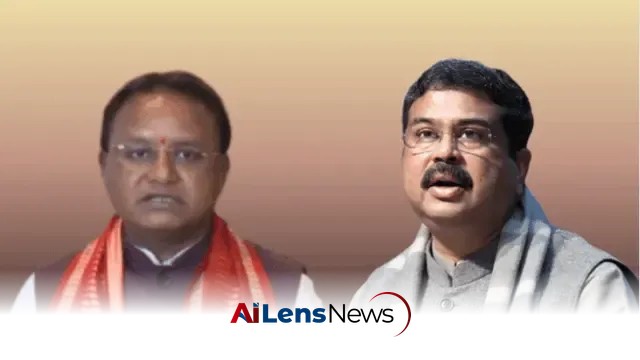


Odisha Chief Minister Mohan Charan Majhi commends Dharmendra Pradhan for his dedication to education reforms after Pradhan's resignation amid NEET-UG exam protests.
Bhubaneswar, India Jul 25, 2026 ALN: Bhubaneswar: Shortly after Dharmendra Pradhan resigned as Union Education Minister, Odisha Chief Minister Mohan Charan Majhi on Saturday praised the senior BJP leader for his “unwavering dedication to public service.” The resignation of Pradhan comes at a time of heightened scrutiny and unrest within the education sector, particularly concerning the integrity of examination processes that are critical to students’ futures.
The Chief Minister credited Dharmendra for leading ‘transformative reforms’ in the education sector. “As Union Minister of Education, Dharmendra Pradhan led transformative reforms, including the historic National Education Policy (NEP 2020), laying a strong foundation for the future of millions of students across the nation. Prioritizing high moral values above all else, his decision to resign reflects his deep principle and an unwavering dedication to public service,” Majhi said in a post on X.
“We all are confident of successful future days for him. May Mahaprabhu Shri Jagannath bless his journey ahead,” he added. This endorsement from the Chief Minister indicates a recognition of Pradhan's contributions to the education sector, as well as an acknowledgment of the political implications that may arise from his resignation.
Notably, Dharmendra Pradhan tendered his resignation earlier on Saturday amid sustained protests by students and others over alleged leak of NEET-UG examination papers. The NEET-UG, or National Eligibility cum Entrance Test for Undergraduate courses, is a critical examination for students aspiring to enter medical colleges in India. Allegations of paper leaks can severely undermine the credibility of this examination, leading to widespread discontent among students and parents alike.
In his letter, Pradhan stated that the step was taken to safeguard students’ future and ensure exam integrity. “For over four decades, I have dedicated myself to the cause of students, teachers, and educational reform. I have always believed that a robust, inclusive, and visionary education system forms the cornerstone of a strong nation,” said Dharmendra while announcing his resignation in a post on X.
His resignation is particularly significant in the context of ongoing student protests that have erupted across various states, demanding accountability and transparency in the examination processes. These protests reflect a growing frustration among students regarding the perceived inadequacies in the education system, particularly in high-stakes examinations that determine their academic and professional futures. The allegations surrounding the NEET-UG examination have raised questions about the efficacy of the current regulatory framework governing educational assessments.
“Considering the situation at Jantar Mantar and across the country — to prevent anti-national forces from exploiting it, preserving national unity, ensuring that not a single Indian student’s future gets entangled in legal complexities, and allowing our children to devote their time to studies and focus on building their careers — I have submitted my resignation to the Honourable Prime Minister,” he said. This statement underscores the tension between political accountability and the urgent need for systemic reforms in the education sector.
The National Education Policy (NEP) 2020, which Pradhan played a pivotal role in implementing, was designed to overhaul the Indian education system by introducing new curricular structures, promoting vocational education, and enhancing teacher training. The policy aims to make education more inclusive and accessible, ensuring that all students have the opportunity to succeed. However, the recent controversies surrounding examination integrity have cast a shadow over these reforms, prompting calls for more robust measures to protect the interests of students.
Pradhan's resignation could also have broader implications for the Bharatiya Janata Party (BJP) and its approach to education policy. As the party navigates the landscape of student discontent and public perception, the leadership will need to address the underlying issues that have led to the current crisis. The resignation may serve as a catalyst for introspection within the party regarding its educational strategies and the need for greater transparency and accountability in governance.
Moreover, the situation highlights the critical role that educational leaders play in shaping public trust in the education system. As stakeholders from various sectors call for reforms, the government will need to demonstrate its commitment to safeguarding students' futures and ensuring the integrity of examinations. This may involve not only policy changes but also a renewed focus on engaging with students and educators to address their concerns directly.
In the wake of Pradhan's resignation, stakeholders across the education sector are likely to be closely monitoring the government's next steps. The Ministry of Education will face pressure to implement measures that restore confidence in the examination system and address the grievances of students. This may include establishing independent oversight mechanisms, enhancing security protocols for examinations, and fostering a dialogue with student organizations to ensure their voices are heard.
As the political landscape evolves in response to these developments, it remains to be seen how the BJP will recalibrate its educational policies to regain the trust of students and parents. The resignation of a prominent leader like Dharmendra Pradhan serves as a reminder of the complexities involved in governance, particularly in an area as crucial as education, where the stakes are high and the expectations even higher.
In conclusion, Dharmendra Pradhan's resignation as Union Education Minister marks a pivotal moment in Indian education policy, reflecting the challenges and pressures faced by leaders in the sector. It raises important questions about the future of educational governance in India and the need for sustained efforts to ensure that the education system meets the needs of all stakeholders. As the nation looks ahead, the focus will undoubtedly be on how the government responds to the current crisis and what steps it will take to secure a brighter future for its students.
To learn more about the latest developments in Political Controversies, stay updated with our exclusive reports and analyses on AiLensNews.

