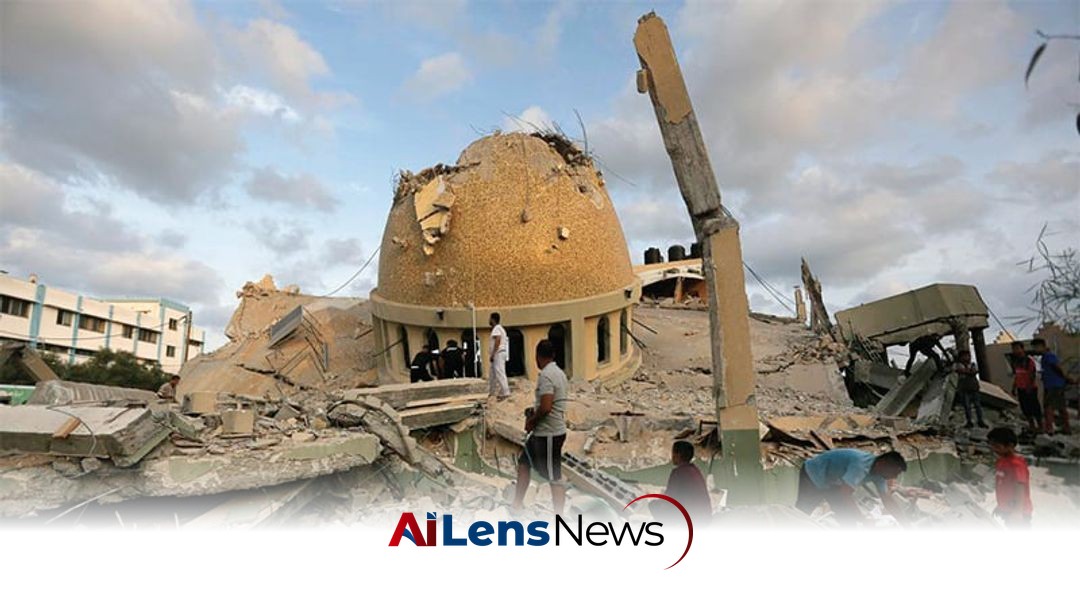


Israeli Prime Minister Benjamin Netanyahu's dismissal of the US-backed Gaza roadmap highlights ongoing challenges in achieving peace in the region.
New Delhi, India Aug 12, 2026 ALN: There is something depressingly familiar about Benjamin Netanyahu’s latest rejection of the US-backed Gaza roadmap. At a moment when the region desperately needs a credible path out of war, the Israeli prime minister has once again placed maximalist demands ahead of compromise. This rejection not only reflects the ongoing complexities of the Israeli-Palestinian conflict but also highlights the broader geopolitical stakes involved in any potential resolution.
Netanyahu’s declaration that Israel rejects the 15-point plan and will not withdraw its forces from Gaza until Hamas is “genuinely disarmed” is more than a disagreement over sequencing. It raises the fundamental question of whether the Israeli government is prepared to accept any political arrangement that could actually bring the conflict to an end. The insistence on complete disarmament before any withdrawal underscores a long-standing Israeli security concern: the fear that any perceived weakness could embolden militant groups like Hamas and jeopardize Israeli citizens' safety.
The irony is difficult to miss. The plan was designed around a gradual process: Hamas would surrender heavy weapons, dismantle military infrastructure and tunnels, while Gaza’s administration would eventually be transferred to a technocratic Palestinian committee under international oversight. This framework aimed to balance security concerns with the need for Palestinian governance, suggesting a nuanced approach to a deeply entrenched conflict. It was hardly a blueprint for leaving Israel defenseless. Yet Netanyahu has rejected even this framework, insisting on what he calls “real disarmament” and ruling out a Palestinian state altogether. This hardline stance raises questions about Israel's long-term strategy and its willingness to engage in meaningful negotiations.
This is precisely what makes Israel, under Netanyahu, appear once again to be the spoilsport in Middle Eastern peace efforts. Every time diplomacy produces a framework, the goalposts seem to move. Every proposed concession is treated as a security risk. Peace cannot be built by demanding that one side surrenders everything while the other retains an open-ended military presence and veto over Gaza’s political future. This dynamic has been a recurring theme in the Israeli-Palestinian conflict, where power imbalances and distrust have often thwarted attempts at reconciliation.
Netanyahu’s position also puts Donald Trump in an awkward and potentially consequential position. The plan was presented as a major diplomatic achievement, and Trump’s Board of Peace has invested considerable political capital in it. If Israel simply rejects its central provisions, Washington faces a choice: pressure Netanyahu to compromise or allow another peace initiative to collapse. This dilemma underscores the challenges faced by the US administration in its role as a mediator. Historically, the United States has played a pivotal role in brokering peace talks, but its influence has waned in recent years, particularly as domestic political considerations take precedence over foreign policy objectives.
The consequences will extend beyond Gaza. Continued Israeli military operations and settler violence in the occupied West Bank make the prospect of a broader political settlement even more remote. The situation in the West Bank has been increasingly volatile, with tensions rising between Israeli settlers and Palestinian residents. Reports of violence and clashes have become more frequent, exacerbating an already fragile situation. A government that simultaneously rejects a Palestinian state and undermines the conditions necessary for Palestinian political stability cannot credibly claim to be working towards a durable peace. The lack of a viable political solution only fuels resentment and despair among Palestinians, potentially leading to further cycles of violence.
Moreover, the rejection of the peace plan can have wider implications for regional stability. The Israeli-Palestinian conflict has historically been a flashpoint in the Middle East, influencing relations between Israel and its Arab neighbors. A failure to achieve progress in peace talks could embolden extremist factions and destabilize other countries in the region, complicating international efforts to address broader security challenges. The ramifications of such instability could extend beyond the immediate region, affecting global security dynamics as well.
Additionally, international responses to Netanyahu's rejection of the peace plan will be closely watched. European nations, the United Nations, and various non-governmental organizations have long advocated for a two-state solution as the most viable path to peace. The growing frustration with Israel's hardline stance may lead to increased calls for accountability and a reassessment of diplomatic strategies. Some analysts suggest that without significant pressure from the international community, the prospect of meaningful negotiations will continue to diminish, further entrenching the conflict.
As the global community observes these developments, it is essential to consider the historical context of the Israeli-Palestinian conflict. The roots of this dispute can be traced back to the early 20th century, with competing national narratives and claims to land. Over the decades, numerous attempts at peace have been made, with varying degrees of success and failure. Each failed initiative adds layers of skepticism and distrust among the involved parties, making the prospect of future negotiations increasingly challenging.
In conclusion, Netanyahu's rejection of the US-backed Gaza peace plan not only highlights the complexities of the Israeli-Palestinian conflict but also raises critical questions about the future of peace efforts in the region. As the situation continues to evolve, the need for a credible and fair approach to negotiations remains paramount. Without a willingness to compromise and engage in dialogue, the cycle of violence and instability is likely to persist, further entrenching divisions and making the prospect of peace seem increasingly elusive. The path forward requires not only political will from Israeli leadership but also a concerted effort from international actors to facilitate a more balanced dialogue that addresses the legitimate concerns of both sides.
To learn more about the latest developments in Political Controversies, stay updated with our exclusive reports and analyses on AiLensNews.

