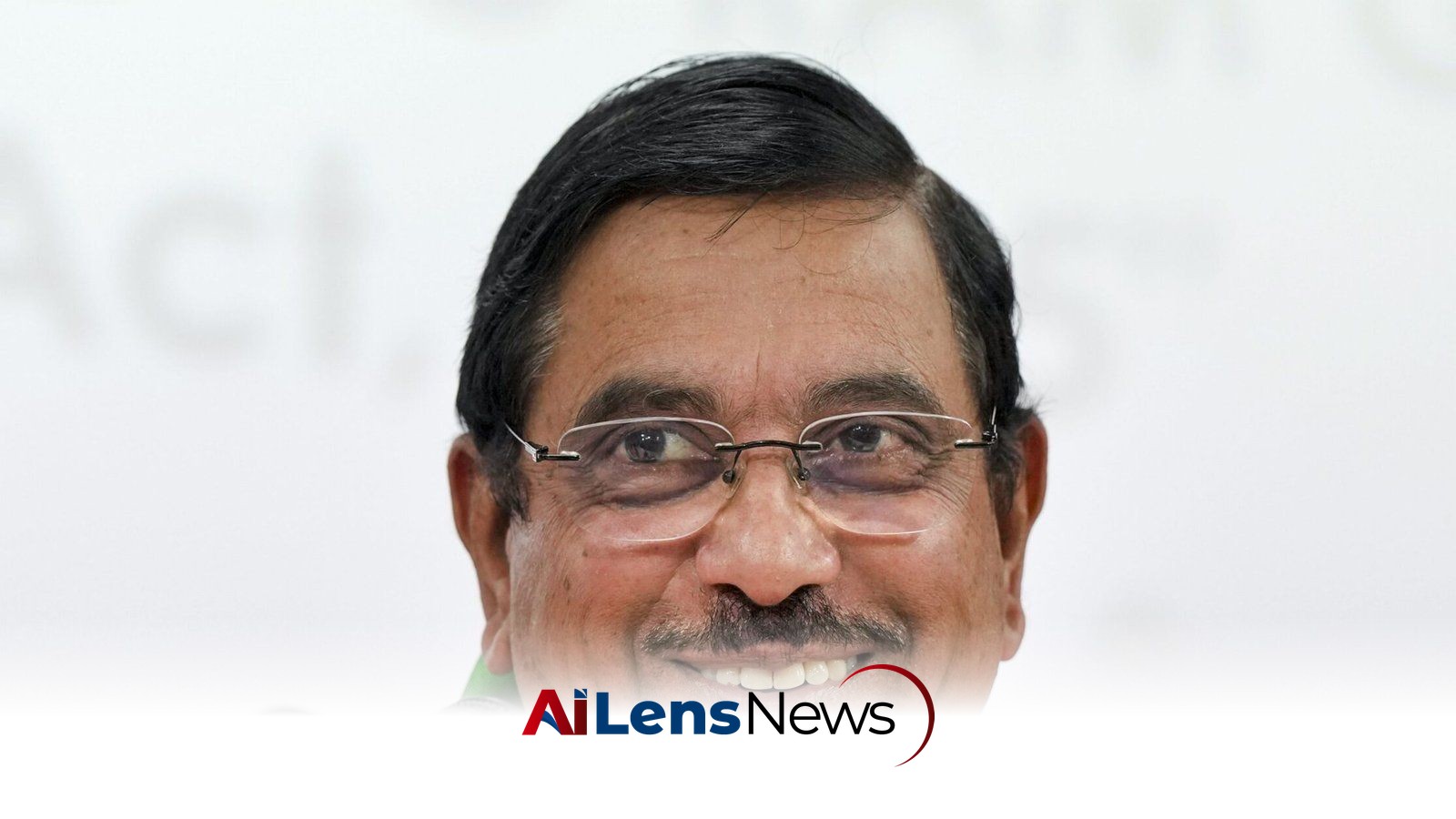


Union Minister Prahlad Joshi has been appointed Education Minister after Dharmendra Pradhan's resignation amid student protests over the NEET paper leak controversy.
Shillong, India Jul 25, 2026 ALN: Union Minister Prahlad Joshi has been appointed as Education Minister following Dharmendra Pradhan’s resignation from the post on Saturday. This development has significant implications for the Indian education sector, especially in light of the recent controversies surrounding the National Eligibility cum Entrance Test (NEET) and the protests that have erupted in response. The NEET exam serves as a critical gateway for students aspiring to enter medical colleges in India, and any controversies surrounding it can shake public confidence in the entire educational framework.
Joshi has been given additional charge of the Education Ministry besides his existing responsibilities as the Minister of Consumer Affairs. This dual role may present both challenges and opportunities for the minister as he navigates the complexities of the education system while also managing consumer affairs, which are critical to the everyday lives of citizens. Balancing these two significant portfolios will require a strategic approach, as the demands of consumer affairs can often be immediate and pressing, while educational reforms typically require long-term planning and implementation.
A Rashtrapati Bhavan communique confirmed that the President, acting on the advice of Prime Minister Narendra Modi, has accepted the resignation of Pradhan with immediate effect. This move underscores the government's responsiveness to public sentiment, particularly in the wake of widespread protests and demands for accountability in the education sector. The resignation is indicative of a political environment where leaders are increasingly held accountable for their actions, especially when public trust is at stake.
Earlier in the day, Pradhan resigned from his post following protests organized by the Cockroach Janta Party, which have gained traction across the country. These protests were primarily driven by student groups and concerned citizens who demanded Pradhan's ouster over the NEET paper leak controversy. The allegations surrounding this incident have raised serious questions about the integrity of the examination process, which is pivotal for students seeking admission into medical colleges. The NEET exam is a crucial gateway for students aspiring to enter medical colleges in India, and any allegations of malpractice can severely undermine public trust in the examination process.
Pradhan addressed the media, stating that his resignation was not a matter of “individual prestige” for him. He expressed his disturbance over the series of events that have unfolded in the last 10 days, indicating that he was deeply affected by the implications of the controversy on students and the education system as a whole. His resignation reflects a growing trend in Indian politics where public officials are held accountable for perceived failures or controversies, especially when they impact the youth and their future. This trend may encourage future leaders to be more proactive in addressing issues before they escalate into larger crises.
The NEET paper leak controversy has raised serious questions about the integrity of the examination process. Allegations of malpractice have surfaced, suggesting that certain individuals may have had access to the exam papers prior to the test, which could have compromised the fairness of the examination. This situation has understandably led to an outcry from students, parents, and educational institutions, all of whom rely on the integrity of such examinations to ensure a level playing field for aspiring medical students. The ramifications of this controversy extend beyond individual students; they challenge the credibility of the entire education system and call into question the efficacy of regulatory bodies tasked with overseeing these processes.
In the wake of Pradhan’s resignation, Prahlad Joshi faces the daunting task of restoring confidence in the education system. His appointment comes at a time when the Ministry of Education is under scrutiny, and stakeholders are looking for decisive action to address the concerns raised by the recent controversies. Joshi's experience in the Cabinet may prove beneficial as he seeks to implement reforms and establish measures to prevent future incidents of this nature. His ability to communicate effectively with various stakeholders will be crucial in rebuilding trust and ensuring that the voices of students and parents are taken into account in future policy decisions.
Joshi's background as a seasoned politician may also influence his approach to handling the ministry. Having served in various capacities within the government, he brings a wealth of experience to the role. His previous work in consumer affairs, where he dealt with issues affecting everyday citizens, may provide him with a unique perspective on the intersection of education and public interest. This experience may also equip him with the skills necessary to navigate the complexities of public sentiment, particularly in a time of crisis.
The implications of this leadership change extend beyond just administrative duties; they touch upon the broader educational landscape in India. With the ongoing debates about the quality of education, access to resources, and the need for reforms in the examination system, Joshi's leadership will be critical in shaping the future of education in the country. The government has previously faced criticism for not adequately addressing the needs of students and for the perceived commercialization of education, which has led to a growing divide in access to quality education. The challenge will be to balance the need for reform with the realities of implementation in a diverse country like India.
Moreover, Joshi's tenure will likely be marked by the need to engage with various stakeholders, including students, educators, and policymakers, to foster a collaborative approach to education reform. The recent protests have highlighted the importance of dialogue and transparency in addressing the concerns of the youth and ensuring that their voices are heard in the decision-making process. Engaging with these groups will not only help Joshi understand the pressing issues at hand but also create a sense of ownership among stakeholders, which is essential for the success of any reform initiatives.
As the new Education Minister, Joshi will also need to tackle the challenges posed by the COVID-19 pandemic, which has disrupted education systems worldwide. The transition to online learning, the digital divide, and the need for innovative teaching methods are just a few of the issues that require immediate attention. Furthermore, the pandemic has exacerbated existing inequalities in education, making it imperative for the government to implement strategies that ensure all students have access to quality education regardless of their socio-economic background. This may involve investing in infrastructure, training teachers for digital platforms, and providing resources to underprivileged students.
In conclusion, the appointment of Prahlad Joshi as Education Minister following Dharmendra Pradhan's resignation is a pivotal moment for the Indian education sector. The challenges ahead are significant, particularly in light of the recent controversies and the ongoing impact of the pandemic. How Joshi navigates these issues will not only affect his political career but also shape the future of education in India for years to come. Stakeholders will be watching closely to see how he addresses the concerns raised by students and parents and whether he can restore faith in the education system amidst the current turmoil. The success of his tenure will likely hinge on his ability to implement effective reforms, foster collaboration, and respond to the evolving needs of the education sector.
To learn more about the latest developments in Elections, stay updated with our exclusive reports and analyses on AiLensNews.

