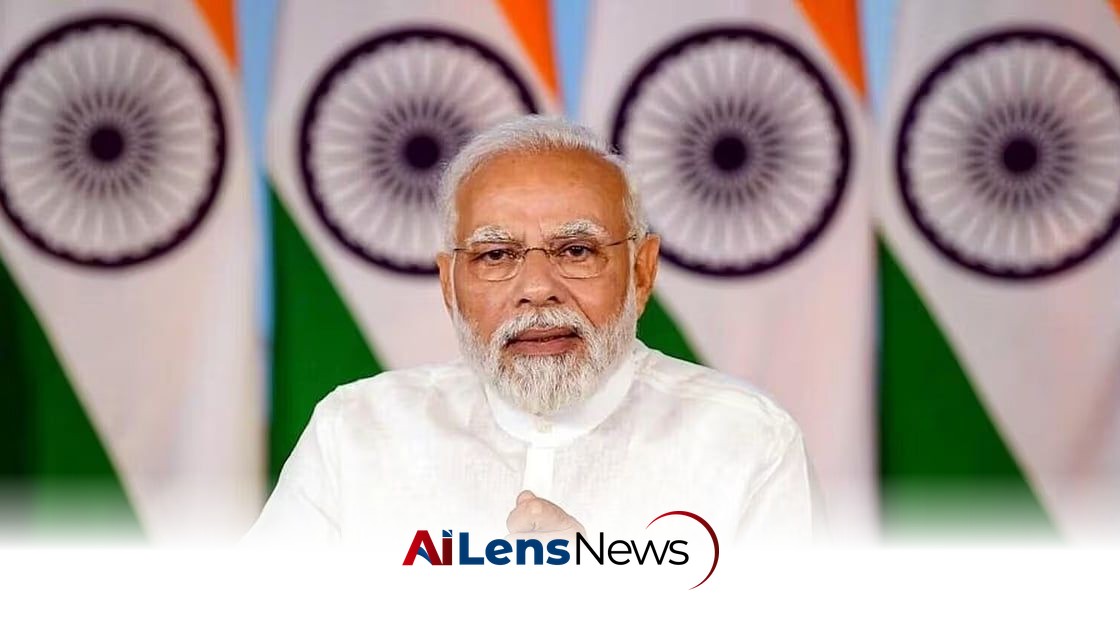


Rahul Gandhi and INDIA bloc leaders protest at Gandhi Smriti, calling for the Education Minister's resignation following NEET-UG paper leak incidents.
Shillong, India Jul 24, 2026 ALN: New Delhi: Leader of Opposition in Lok Sabha (LoP) Rahul Gandhi, along with leaders from the INDIA bloc, gathered at Gandhi Smriti on Tees January Marg on Thursday, amid heavy security, to express solidarity with those who died by suicide following the NEET-UG paper leak and to support those injured during the Cockroach Janta Party (CJP)-led protests. This gathering marks a significant moment in the ongoing discourse surrounding the National Eligibility cum Entrance Test for Undergraduate courses (NEET-UG), which has been a contentious issue in Indian education policy.
The NEET-UG examination is a critical gateway for aspiring medical students in India, and any disruption or controversy surrounding it can have far-reaching implications for students' futures. The recent allegations of a paper leak have not only sparked protests but have also raised questions about the integrity of the examination process, the efficacy of regulatory bodies, and the overall state of the education system in India. The tragic suicides linked to this incident have intensified the emotional and political stakes, prompting a widespread outcry from student groups and political leaders alike.
The Opposition leaders arrived at Gandhi Smriti in buses, a symbolic location for the protest, as it is associated with Mahatma Gandhi, a figure revered for his principles of non-violence and democratic engagement. Rahul Gandhi stated, "Our leader Mahatma Gandhi was assassinated over here. Today, the Modi government is assassinating democracy in India, brutalizing students, and beating students. The Opposition is not going to accept this. We are with the students, and Mr. Narendra Modi has to remove the Education Minister and apologize." This statement reflects a broader narrative among the opposition parties, who have been critical of the current government's handling of various issues, particularly those affecting youth and education.
The leaders set out from Rahul Gandhi's residence to march to Gandhi Smriti, demonstrating solidarity with students protesting against the alleged paper leak and demanding accountability from the government. The protest escalated when Congress workers pushed past police barricades, resulting in clashes with Delhi Police personnel. Such confrontations are not uncommon in India, where political protests often lead to tensions between demonstrators and law enforcement. Rahul Gandhi accused authorities of obstructing Opposition MPs from joining the students' protests in the national capital, highlighting the increasing polarization in Indian politics, particularly in matters that resonate deeply with the youth.
The heavy police presence noted outside Rahul Gandhi's residence, near Union Home Minister Amit Shah's residence, and around Parliamentary Affairs Minister Kiren Rijiju's residence, indicates the government's apprehension regarding the potential for unrest. Multiple layers of barricading were established to prevent buses carrying Opposition MPs from proceeding, a tactic often employed to manage large gatherings and prevent disruptions in sensitive areas. This response from law enforcement raises questions about the balance between maintaining public order and allowing democratic expressions of dissent.
As tensions rise, the call for accountability and justice in the education sector continues to resonate among the protesting students and their supporters. The NEET-UG controversy has highlighted systemic issues within the Indian education framework, including the pressures faced by students, the lack of transparency in examination processes, and the need for reforms that prioritize student welfare over bureaucratic efficiency. These protests serve as a reminder of the significant role that students play in shaping political discourse in India, as they mobilize around issues that directly affect their lives and futures.
In the broader context, the situation surrounding the NEET-UG paper leak is emblematic of ongoing challenges within the Indian education system. Critics have long pointed to the need for comprehensive reforms that address not only examination integrity but also access to quality education, mental health support for students, and the overall competitiveness of the educational landscape. The tragic outcomes associated with the recent protests underscore the urgent need for dialogue and action from policymakers.
The political ramifications of this situation are also significant. The opposition's mobilization around the NEET-UG issue may serve to galvanize support among young voters, who are increasingly disillusioned with the current government's policies. As the country approaches the next general elections, issues related to education, employment, and youth welfare are likely to take center stage. The response of the government to these protests could influence public perception and voter sentiment in the lead-up to the elections.
Furthermore, this incident raises critical questions about the role of political parties in addressing educational grievances. While the opposition has seized upon the NEET-UG controversy to criticize the ruling party, it also places a spotlight on their own educational policies and past governance. As the discourse evolves, it will be important for all political entities to engage constructively with the concerns of students and to propose viable solutions that address the root causes of such crises.
In conclusion, the protests surrounding the NEET-UG paper leak and the subsequent demands for the removal of the Education Minister highlight a critical intersection of education, politics, and social justice in India. The unfolding events will undoubtedly continue to shape the narrative around education reform and political accountability in the country, making it imperative for both government and opposition leaders to listen to the voices of students and act in their best interests. As the situation develops, the implications for Indian democracy, student welfare, and educational integrity remain profound and far-reaching.
To learn more about the latest developments in Political Controversies, stay updated with our exclusive reports and analyses on AiLensNews.

