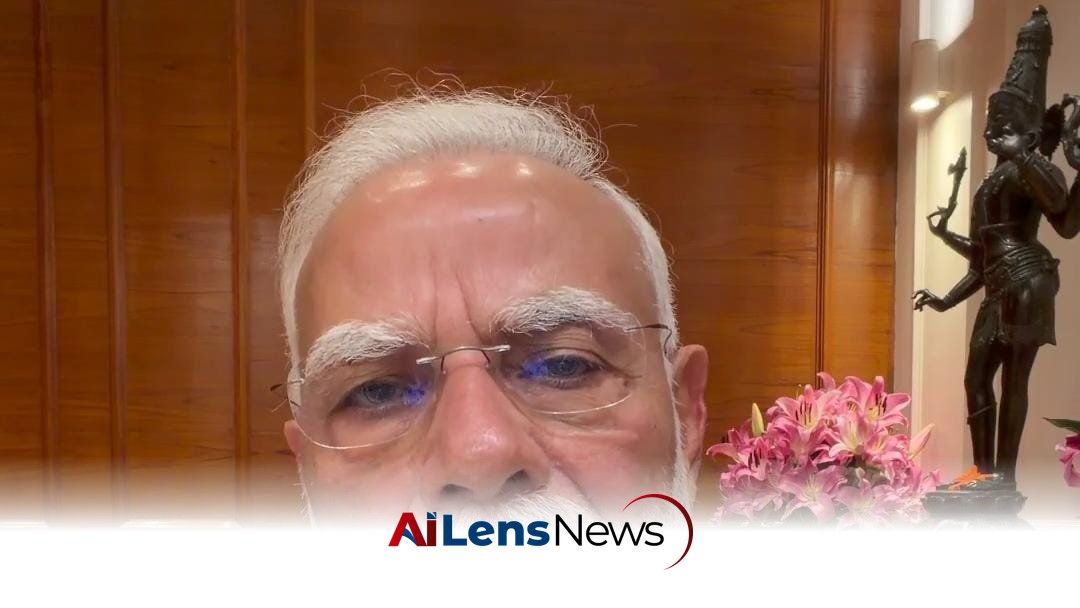


In a recent video, Prime Minister Modi expressed his desire to forgive youth who used abusive language during protests, emphasizing guidance over punishment.
Shillong, India Aug 1, 2026 ALN: Prime Minister Narendra Modi on Friday addressed the nation, reflecting on a recent incident of protests at Jantar Mantar, where he and his late mother were reportedly subjected to abusive language by demonstrators. These protests were primarily focused on alleged irregularities surrounding the National Eligibility cum Entrance Test (NEET), a crucial examination for students aspiring to pursue medical education in India. Modi's remarks came amid a tense atmosphere, as the protests had drawn significant media attention and public discourse regarding the treatment of students and the broader implications of their grievances.
The context of the protests is essential for understanding the Prime Minister's comments. NEET has been a contentious issue in India, with numerous allegations of corruption, favoritism, and irregularities in the examination process. Students and their families have expressed frustration over the perceived inequities in the system, which they believe hinder fair access to medical education. The protests at Jantar Mantar, a historic site for demonstrations in the capital, symbolize a broader discontent among the youth regarding educational policies and the challenges they face in securing a place in medical colleges.
NEET was introduced in 2013 to streamline the admission process for medical colleges across India, replacing multiple entrance exams that previously existed. However, the implementation of NEET has not been without controversy. Critics have raised concerns about the adequacy of preparation resources available to students, particularly those from economically disadvantaged backgrounds. Additionally, allegations of leakages and discrepancies in the examination process have fueled distrust among students. The pressure to perform well in NEET is immense, as success in the exam is often seen as the only gateway to a successful career in medicine, which is highly coveted in Indian society.
In his late-night video message released on Instagram, Modi emphasized the need for empathy and understanding towards the youth, acknowledging the anguish and frustration that many students feel. He pointed out that while the language used during the protests was inappropriate, it was indicative of deeper societal issues that needed to be addressed. "I can understand the anguish prevailing in society, but this is the time to embrace the youth and guide them on the right path," he stated, highlighting the importance of mentorship and support for young people during challenging times.
Modi's characterization of the students as "misguided children" reflects a paternalistic approach, suggesting that they require guidance rather than punishment. He argued that resorting to legal action against these students would not resolve the underlying issues they face. Instead, he advocated for forgiveness, stating, "I want to forgive them. People make mistakes, but this is a cultural shock that our daughters are using such abusive language." This statement points to a cultural expectation in India regarding the behavior and language of youth, particularly in public forums. The use of abusive language during protests raises questions about the ways in which young people express their discontent and the societal norms that govern acceptable forms of protest.
The Prime Minister drew an analogy to illustrate his point, saying, "We don’t disown our teeth even if they bite our tongue; both belong to us, just as our youth are our own." This metaphor serves to reinforce the idea that the youth, despite their mistakes, are an integral part of society and should be nurtured rather than alienated. Modi's appeal for forgiveness and understanding resonates with a broader societal sentiment that emphasizes compassion and support for young people, especially in the face of adversity. His comments may also reflect a recognition of the pressures faced by the younger generation, who are navigating an increasingly competitive and demanding educational landscape.
Moreover, Modi's message also included a call to action for the youth, encouraging them to learn from their experiences and mistakes. He stated, "Our country is moving forward, and they too must move ahead with it," underscoring the need for young people to align their aspirations with the nation's progress. This aligns with Modi's broader vision of a developed India, where youth play a pivotal role in driving change and innovation. By framing the conversation in this manner, the Prime Minister seeks to inspire a sense of purpose among young people, encouraging them to channel their energy towards constructive engagement rather than confrontation.
The implications of Modi's statements are multifaceted. On one hand, his call for forgiveness and understanding may help to de-escalate tensions between the government and the protesting students. It signals a willingness to engage with the youth and address their concerns rather than dismiss them outright. On the other hand, it raises questions about accountability and the need for systemic reforms in the education sector. Many observers argue that while forgiveness is important, it should not overshadow the necessity for structural changes that ensure fairness and transparency in examinations like NEET.
In the wake of these protests, there is a growing demand for the government to take concrete steps to address the grievances of students. This includes calls for an independent inquiry into the alleged irregularities in NEET, as well as broader reforms aimed at making the educational system more equitable. The Prime Minister's remarks may serve as a catalyst for dialogue between the government and student representatives, potentially paving the way for meaningful discussions on these pressing issues. The call for transparency in the examination process is not only a demand from students but also a societal expectation that the government must meet to restore faith in the educational system.
Furthermore, Modi's emphasis on guiding the youth reflects a recognition of their potential as change-makers in society. By framing the conversation around forgiveness and mentorship, he aims to foster a sense of belonging and responsibility among young people. This approach may resonate with many parents and educators who share concerns about the challenges faced by students in today's competitive landscape. The role of mentorship and guidance in shaping the future of youth cannot be overstated, as young people often look to role models for inspiration and direction.
As the situation continues to unfold, it will be crucial for stakeholders—including the government, educational institutions, and civil society—to engage in constructive dialogue that prioritizes the needs and aspirations of the youth. The protests at Jantar Mantar serve as a reminder of the importance of listening to the voices of students and addressing their concerns with empathy and action. The responsibility to create an inclusive and supportive educational environment lies not only with the government but also with society as a whole.
In conclusion, Prime Minister Modi's reflections on the recent protests highlight the complex interplay between youth discontent, societal expectations, and the need for systemic reform in education. His call for forgiveness and guidance underscores the importance of nurturing the next generation while also acknowledging the pressing need for accountability and change. As India moves forward, the way in which it addresses the concerns of its youth will play a critical role in shaping the future of the nation. The ongoing dialogue between government and students will be essential in fostering an educational landscape that is equitable, transparent, and conducive to the aspirations of all young people.
To learn more about the latest developments in Elections, stay updated with our exclusive reports and analyses on AiLensNews.

