

The KHADC's recent amendment to land regulations raises concerns about governance and community rights, as local leaders demand a recall of the changes.
Shillong, India Jul 13, 2026 ALN: The recent amendment to the Regulation and Administration of Land by the Khasi Hills Autonomous District Council (KHADC) has ignited a significant controversy regarding governance and land rights within the Khasi community. This amendment is perceived by some community leaders as a move that undermines the established protective layers that have historically safeguarded land ownership and governance among the indigenous Khasi people.
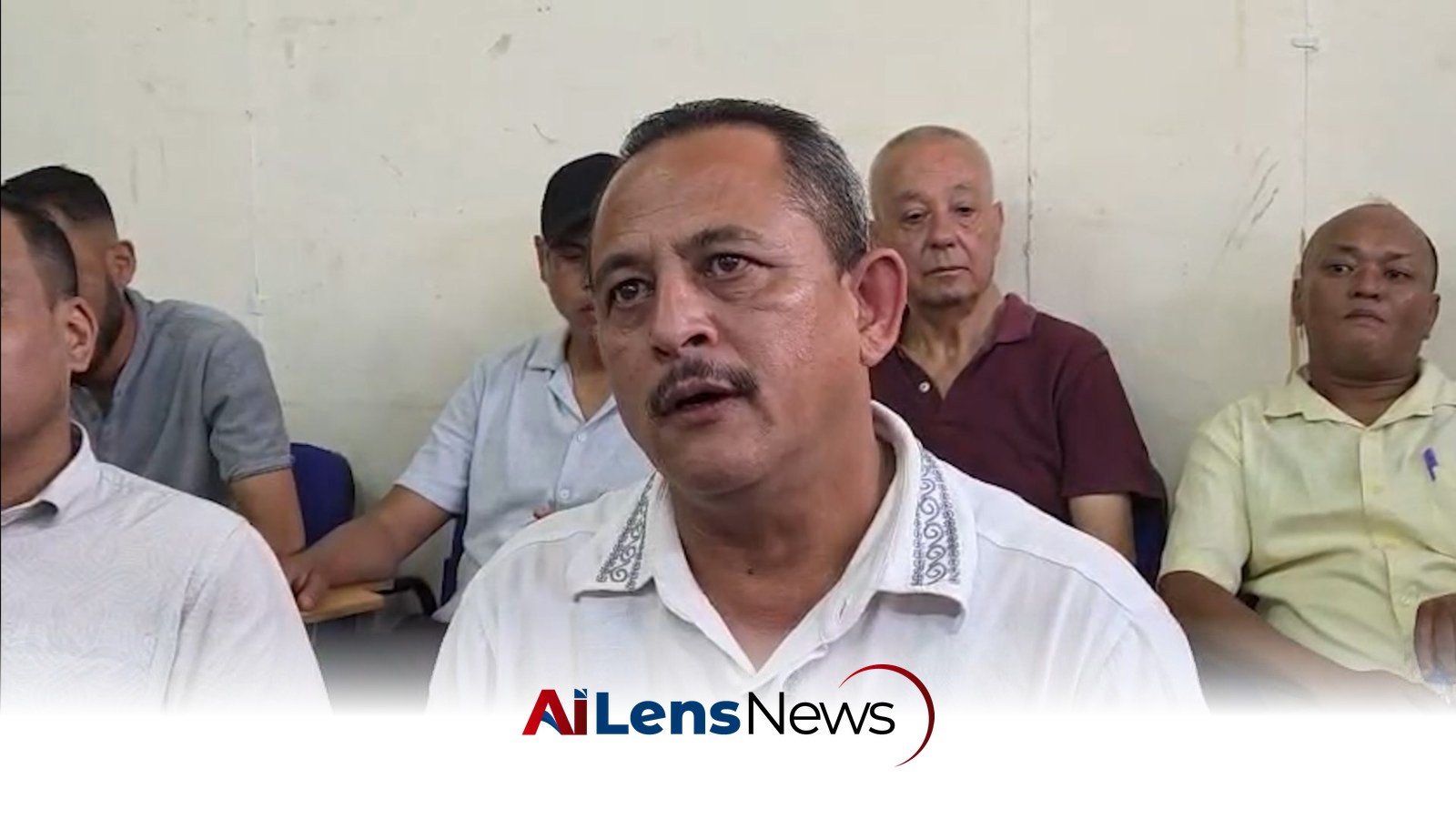
The concerns surrounding this amendment were articulated by Nongrim Hills Rangbah Shnong Bantylli Nari, who spoke to Highland Post on Saturday. Nari's remarks reflect a broader sentiment within the community regarding the KHADC's approach to land governance. He noted that there has been a lack of communication from the KHADC following a pivotal meeting on July 7, which involved the Synjuk ki Nongsynshar Shnong ka Bri u Hynñiewtrep (SNSBH) and clan elders. This meeting was convened to address the community's demand for the KHADC to retract the proposed Regulation and Administration of Land Amendment 2026.
Nari, who holds multiple leadership roles including that of president of the Synjuk Nongthymmai and convenor of the Hynriew Synjuk—which encompasses several localities such as Nongthymmai, Shiliang Umkhen, Pynthorbah, Laitkor, Upper Shillong, and Mawlai—articulated that their opposition is not fundamentally against land ceilings. Rather, the contention lies in the manner in which the KHADC is seeking to implement these changes.
“We strongly oppose the executive committee of the KHADC that has removed Clause 16 and deleted the words ‘after consultation with the Dorbar Shnong, Dorbar Raid, and Dorbar Hima’ from the new amendment bill,” Nari emphasized. He expressed concern that this amendment would grant the KHADC excessive power without sufficient checks and balances to ensure that its decisions align with the public interest. The existing multi-layered process is seen as a robust mechanism that protects land rights, as it requires multiple levels of consultation and consent before any land acquisition can take place.
Nari elaborated on the existing framework, stating that even after obtaining a no-objection certificate from the Dorbar Shnong (the local village council), any proposal must still be reviewed by the Dorbar Raid (the council of clans) and the Dorbar Hima (the council of the larger administrative unit). This process culminates in a review by the state government through the Deputy Commissioner, ultimately requiring the KHADC's consent. He pointed out that if the KHADC fails to grant its consent, the entire acquisition process is halted, indicating that the current system serves as a strong protective wall for land rights.
“Now the district council wants to remove all these strong walls, which is not understood,” Nari stated, highlighting the community's apprehension about the potential implications of such changes. He argued that the KHADC cannot act unilaterally when it comes to land that belongs to the communities, asserting that the council's role is merely that of a custodian. The land, he noted, is owned by the Dorbar Shnong, Dorbar Raid, or Dorbar Hima, and it is essential for the KHADC to engage with these stakeholders in discussions about land governance.
Nari's remarks raise critical questions about the governance structure and the importance of community involvement in decisions that affect land rights. The implications of the KHADC's proposed amendments extend beyond administrative changes; they touch upon the very identity and autonomy of the Khasi people. The KHADC's approach, according to Nari, risks alienating the very communities it is meant to serve, as it attempts to formulate land ceilings without consulting the relevant stakeholders.
When pressed on the potential consequences if the KHADC refuses to retract the bill, Nari indicated that the Synjuk has not yet made a definitive decision on a course of action. However, he hinted at the possibility of taking necessary steps to address the situation. “The first and foremost step that we decided is to meet the Governor, the Chief Minister, and the minister in charge of District Council Affairs,” he revealed, expressing confidence that they would secure meetings with these key figures in the coming week.
Nari expressed frustration over the lack of consultation regarding the KHADC's actions, stating that had there been proper dialogue, the issues with the bill could have been avoided. “It could have been much better if it had been brought to the table of discussion,” he remarked, underscoring the importance of collaborative governance in addressing community needs.
Additionally, Nari suggested that the KHADC's actions might be perceived as an attempt to encroach upon the powers of the Dorbars, the local councils that play a crucial role in governance at the community level. “The desire seems so,” he stated, cautioning that the Dorbars also possess significant authority, including the ability to withhold cooperation. This dynamic raises concerns about the potential for conflict between the KHADC and the local councils, which could disrupt governance and community relations.
Historical context is essential to understanding the current situation. The Khasi Hills have a long history of land governance rooted in indigenous practices that prioritize community involvement and decision-making. The Dorbar Shnong, Dorbar Raid, and Dorbar Hima have traditionally functioned as the primary governance structures within the Khasi community, reflecting a system that values collective input and consensus. The changes proposed by the KHADC, therefore, not only challenge this established order but also risk undermining the cultural integrity of the Khasi people.
The implications of the KHADC's proposed amendments extend beyond administrative governance; they pose a fundamental challenge to the identity and autonomy of the Khasi community. As the situation continues to unfold, the need for dialogue and collaboration between the KHADC and community stakeholders becomes increasingly critical. The outcome of this controversy may set a precedent for how land governance is approached in the future, potentially reshaping the relationship between the KHADC and the indigenous communities it serves.
In conclusion, the KHADC's amendment to the Regulation and Administration of Land has raised significant concerns among community leaders regarding governance, representation, and the safeguarding of land rights. As discussions continue and stakeholders seek to engage with the KHADC, the importance of maintaining a collaborative approach to governance will be paramount in ensuring that the interests of the Khasi community are upheld and respected.
To learn more about the latest developments in Political Controversies, stay updated with our exclusive reports and analyses on AiLensNews.

