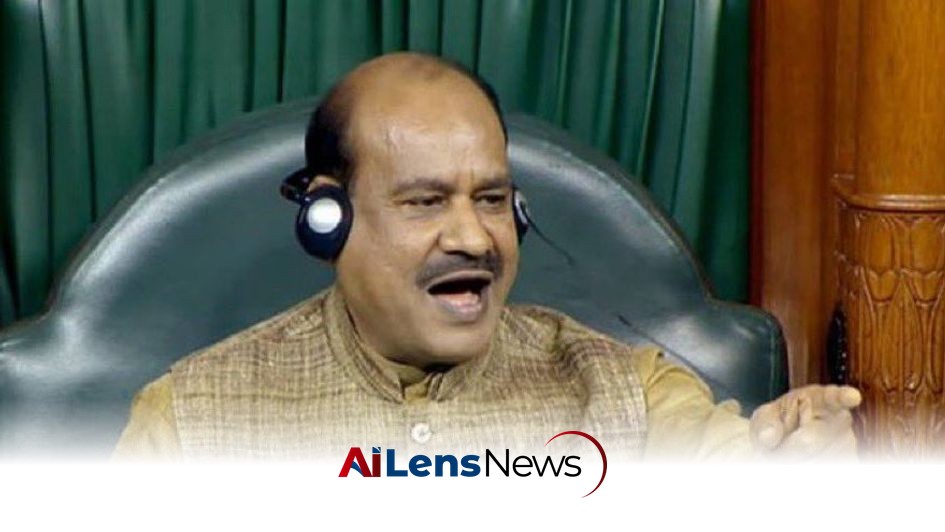


In a significant political move, Lok Sabha Speaker Om Birla has approved the merger of six Shiv Sena (UBT) MPs with the Eknath Shinde-led Shiv Sena, while allowing separate seating for 20 rebel TMC lawmakers.
New Delhi, India Jul 18, 2026 ALN: Ahead of the Monsoon session, Lok Sabha Speaker Om Birla on Saturday approved the merger of six Shiv Sena (UBT) MPs with the Shiv Sena led by Maharashtra Deputy Chief Minister Eknath Shinde and allowed separate seating for the 20 rebel TMC lawmakers, who have joined a little-known party, NCPI.
Official sources indicated that with the merger of the six MPs, the strength of the Shiv Sena has increased to 13. This development is significant as it reflects ongoing political realignments in Maharashtra, a state known for its complex political landscape. The Shiv Sena has historically been a major player in Maharashtra politics, and the recent shifts in allegiance among its MPs underscore the party's internal divisions and the impact of leadership changes.
The rebel TMC group, consisting of 20 MPs, will be seated separately, away from the parent party, the sources said. This separation is emblematic of the fracturing of party unity that has become increasingly common in Indian politics, particularly among regional parties facing internal dissent.
No final decision has been taken on the demand of the rebel TMC MPs to be recognized as part of the Nationalist Citizens Party of India (NCPI), and the matter is still under consideration. The NCPI, although currently a lesser-known entity, has the potential to play a role in shaping the future political landscape in West Bengal, especially if it can attract more lawmakers from established parties.
The TMC and Shiv Sena (UBT) had demanded the disqualification of the rebel MPs. The anti-defection law, which is designed to prevent political instability caused by frequent party switching, plays a crucial role in this context. The rebel TMC MPs are also likely to attend Sunday's all-party meeting, which could influence future legislative strategies and alliances.
The Lok Sabha Speaker had earlier met a TMC delegation headed by its leader Abhishek Banerjee, as well as the party's breakaway group. This engagement reflects the Speaker's efforts to mediate and manage the complex dynamics of party politics in the Lok Sabha.
A similar exercise was also carried out with regard to the Shiv Sena (UBT). Consultations with legal and constitutional experts of Parliament were conducted, providing the Speaker with necessary inputs to make informed decisions. This underscores the importance of adhering to legal frameworks while navigating the tumultuous waters of party politics.
The decisions came two days ahead of the Monsoon session of Parliament, which will begin on July 20. The timing of these approvals is critical, as the Monsoon session often addresses significant legislative issues, including budget allocations and new policy initiatives.
Past precedents and decisions taken by former speakers of Lok Sabha and chairmen of Rajya Sabha in similar situations were also examined before arriving at these "informed and legally sound" decisions. The examination of constitutional and legal aspects is vital in maintaining the integrity of parliamentary processes.
In addition to the rebel groups of the TMC and Shiv Sena (UBT), the DMK also sought a separate seating arrangement, away from the Congress party, following the breakdown of a longstanding alliance. This highlights the shifting alliances and realignments in Indian politics, particularly in states like Tamil Nadu, where regional parties have historically wielded significant influence.
Altogether, 29 MPs were elected to the Lok Sabha on TMC tickets in the 2024 general election. The fact that 20 MPs have broken away to join NCPI raises questions about the future of the TMC as a cohesive political entity. The rebel group has also expressed allegiance to the Narendra Modi government and their desire to join the ruling NDA, which could further complicate the political dynamics in West Bengal and beyond.
One TMC MP passed away some time ago, leaving a vacant seat, which adds to the complexity of the party's current representation in the Lok Sabha. In the case of Shiv Sena (UBT), a total of nine MPs were elected on party tickets, of which six have now joined the rival Shiv Sena led by Eknath Shinde. This shift not only alters the numerical strength in the Lok Sabha but also raises questions about party loyalty and the future direction of both factions of the Shiv Sena.
Both TMC and Shiv Sena (UBT) argued before the Speaker that their rebel MPs should be disqualified, citing the anti-defection law. They contend that the law may only be circumvented if two-thirds of the entire party defect together, a situation that has not occurred in these cases. TMC General Secretary and Lok Sabha leader Abhishek Banerjee has been vocal in demanding the disqualification of the rebels, emphasizing that the claims of the rebels regarding their merger with NCPI are legally invalid.
Banerjee submitted 20 separate petitions against the rebel MPs, seeking their disqualification based on the anti-defection law's provisions. This highlights the contentious atmosphere within the TMC and the lengths to which party leaders are willing to go to maintain their political power and integrity.
Shiv Sena (UBT) also met Birla, urging him to share the demands submitted by the six rebel MPs who have now joined the Eknath Shinde-led party. This request reflects the ongoing tug-of-war between the factions and the desire for clarity in the party's standing.
On July 14, Sudip Bandyopadhyay and Kakoli Ghosh Dastidar, leaders of the rebel TMC, met the Speaker to discuss seating arrangements for their faction of 20 MPs in the Lower House. They also brought up the allotment of a party office in the new Parliament building, which is a crucial matter for any political group seeking to establish its legitimacy and presence within the parliamentary framework.
In conclusion, the recent approval of the merger of rebel MPs and the ongoing disputes surrounding seating arrangements highlight the fragility of party loyalty in Indian politics. As the Monsoon session approaches, these developments could have significant implications for legislative dynamics, party strategies, and the broader political landscape in India. The ability of parties to manage internal dissent and navigate the complexities of coalition politics will be critical in shaping their future trajectories.
To learn more about the latest developments in Elections, stay updated with our exclusive reports and analyses on AiLensNews.

