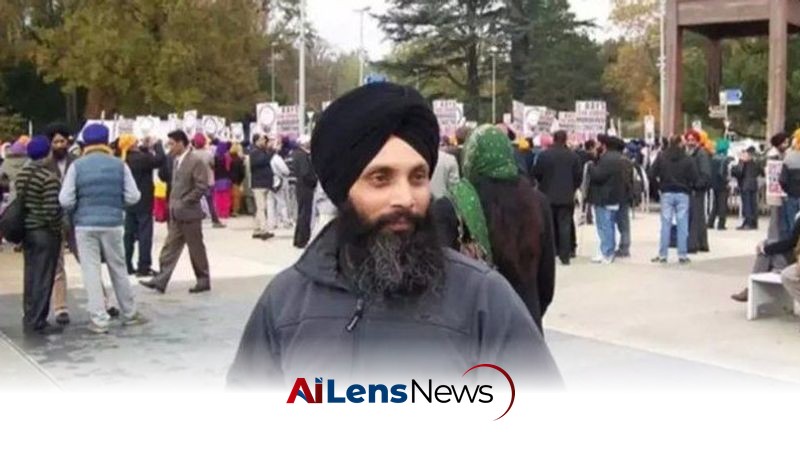


India asserts that Canada's statements regarding Hardeep Singh Nijjar align with the U.S. indictment, emphasizing the need for legal processes in extradition requests.
Leh, India Jul 14, 2026 ALN: In a recent statement, Indian officials have responded to remarks made by Canadian authorities concerning the case of Hardeep Singh Nijjar, asserting that these comments are consistent with the indictment issued by the United States. This development has further heightened the already tense diplomatic atmosphere between the two nations, drawing international attention to the complexities surrounding the case.
Nijjar, a prominent Sikh activist, was shot dead in Canada in June 2023, an incident that has sparked significant diplomatic tensions between India and Canada. The Indian government has maintained that Nijjar was involved in activities that posed a threat to national security. Specifically, Indian officials have accused him of being linked to separatist movements that advocate for an independent Sikh state, known as Khalistan, which has been a contentious issue within India for decades. The Khalistan movement, which gained momentum during the late 20th century, seeks to establish a separate nation for Sikhs in the Punjab region of India. This demand has historically been met with strong opposition from the Indian government, which views it as a challenge to its territorial integrity.
The allegations against Nijjar and the circumstances surrounding his death have not only polarized opinions within India and Canada but also among the broader international community. The Sikh diaspora, particularly in Canada, has been a vocal supporter of Nijjar, viewing him as a martyr for the cause of Sikh rights. In contrast, the Indian government views him as a potential terrorist, complicating the narrative and making it difficult to reach a consensus on the facts of the case. This division highlights the broader struggle over national identity and the political rights of minority communities, particularly in the context of post-colonial states like India.
India emphasized the importance of following legal protocols in any extradition requests related to Nijjar. The Indian Ministry of External Affairs reiterated that all actions must adhere to established legal frameworks, ensuring that due process is respected. This statement reflects India's broader commitment to international law and its desire to engage in a legal discourse rather than a political one. However, the complexities of international law, especially in cases involving allegations of terrorism and political dissent, can lead to protracted legal battles. Extradition treaties between countries are often fraught with challenges, particularly when the accused party claims political persecution. Canada and India have an extradition treaty, but the application of this treaty in Nijjar's case could lead to contentious legal disputes. Moreover, the political ramifications of extraditing a figure like Nijjar, who is seen as a hero by many in the Sikh community, could have severe domestic implications for Canadian politicians.
The legal complexities are further compounded by differing interpretations of what constitutes terrorism and political dissent. While India views Nijjar's activities as a direct threat to its national security, many in Canada and the Sikh diaspora see his activism as a legitimate expression of political opinion. This divergence in perspectives raises questions about the standards of evidence required for extradition and the extent to which political motivations can influence legal proceedings.
The case has exacerbated already strained relations between India and Canada, with both nations exchanging sharp criticisms. Canadian Prime Minister Justin Trudeau previously stated that there were credible allegations linking Indian agents to Nijjar's death, a claim that India has vehemently denied. This accusation has led to a diplomatic standoff, with both countries recalling diplomats and issuing travel advisories against each other. The tit-for-tat diplomatic measures reflect a deterioration in trust and cooperation, which are essential for addressing shared challenges such as terrorism and trade.
In response to Trudeau's comments, Indian officials have reiterated their stance that any allegations against India are baseless and politically motivated. They argue that such claims undermine India's sovereignty and distract from the real issues at hand, including the need for international cooperation in combating terrorism. The Indian government has also emphasized the importance of bilateral dialogue, urging Canada to engage in discussions to resolve the matter amicably rather than resorting to public accusations.
The diplomatic fallout has also affected trade relations between the two countries. Prior to the incident, Canada and India were engaged in discussions to enhance trade ties, but these negotiations have stalled amidst the ongoing tensions. The potential economic repercussions of this diplomatic crisis could impact various sectors, including technology, agriculture, and education, which are vital for both economies. The agricultural sector, in particular, has historically been a cornerstone of Canada-India relations, with Canada being one of the largest exporters of lentils and peas to India. Disruptions in trade could have cascading effects on food security and economic stability in both nations.
Experts suggest that the fallout from this incident could have broader implications for international relations, particularly in the context of counter-terrorism and diplomatic cooperation. The U.S. indictment, which India claims aligns with Canada's statements, adds another layer of complexity to the situation. The U.S. has historically been an ally of both nations, but the involvement of American legal frameworks can complicate matters further. The U.S. has been actively involved in international counter-terrorism efforts and its stance on Nijjar's case could influence how other nations approach similar incidents.
Internationally, this situation has prompted discussions about the responsibilities of nations in addressing issues related to terrorism and political dissent. Countries that harbor activists or dissenters may find themselves at odds with nations that view such individuals as threats to their national security. This case exemplifies the delicate balance that must be maintained in international relations, where legal, political, and humanitarian considerations often intersect. The responses of both India and Canada could set precedents for how countries manage similar conflicts in the future, particularly regarding the treatment of political dissidents and activists.
As both countries navigate this diplomatic crisis, the focus will likely remain on the legal proceedings surrounding Nijjar's case. India has called for a thorough investigation into the circumstances of his death, while Canada continues to seek clarity on the allegations against Indian officials. The outcome of these investigations may set a precedent for how similar cases are handled in the future, particularly in terms of extradition and international legal cooperation. Furthermore, the resolution of this case will likely require careful diplomatic negotiations, as both nations seek to protect their national interests while mitigating the fallout from this incident.
In conclusion, the ongoing dialogue between India and Canada regarding Hardeep Singh Nijjar's case underscores the delicate balance of international relations, legal processes, and national security concerns. As both nations seek to address the fallout from this incident, the global community will be watching closely, as the implications of their responses could reverberate far beyond their borders. The case serves as a reminder of the complexities inherent in international diplomacy, where the intersection of law, politics, and human rights can lead to unforeseen consequences and challenges for nations worldwide. The resolution of this case will not only shape the future of India-Canada relations but could also influence the broader discourse on how countries manage dissent and terrorism in an increasingly interconnected world.
To learn more about the latest developments in Political Controversies, stay updated with our exclusive reports and analyses on AiLensNews.

