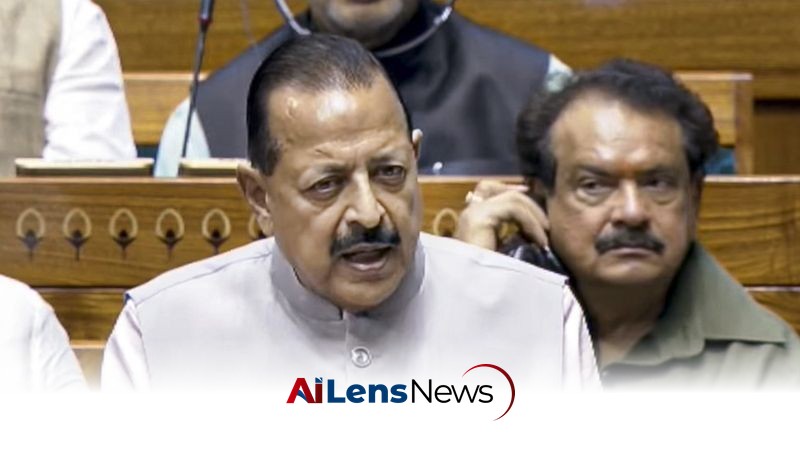


Congress MP K C Venugopal has filed a privilege motion against Union Minister Jitendra Singh for allegedly misleading Parliament regarding student protests.
Leh, India Aug 1, 2026 ALN: In a significant political development, Congress MP and Chairman of the Public Accounts Committee, K C Venugopal, has initiated a privilege motion against Union Minister of State (PMO) Jitendra Singh. The motion stems from Singh's recent statements in Parliament, where he claimed that no firing occurred during the recent protests involving students. This assertion has sparked controversy and raised questions about the accuracy and intent behind Singh's comments, which many believe were misleading.
Venugopal's accusation hinges on the assertion that Singh's remarks were not only misleading but also intended to obscure the reality of the situation. The protests, which have garnered considerable attention, were reportedly marked by violence and unrest, leading to serious concerns among various stakeholders, including students, educational institutions, and civil rights organizations. The protests were ignited by a series of grievances, including issues related to educational policies, financial aid, and broader socio-political concerns affecting the student community.
The protests were primarily driven by student groups advocating for their rights and demanding accountability from the government. Eyewitness accounts and reports from the ground indicated that the situation escalated, leading to confrontations between protesters and law enforcement. Students expressed frustration over perceived government inaction on pressing issues such as rising tuition fees, lack of job opportunities post-education, and inadequate mental health support services. The protests also served as a platform for students to voice their dissent against broader societal issues, including government policies that they felt undermined their rights and freedoms.
The unrest was not confined to a single region but was seen in various educational institutions across the country, reflecting a widespread discontent among the youth. The protests were characterized by large gatherings, marches, and sit-ins, which at times turned confrontational as law enforcement attempted to disperse crowds. Reports of clashes between students and police have raised alarms about the handling of dissent in a democratic society, prompting calls for a more transparent and humane approach to law enforcement.
Venugopal's privilege motion highlights the growing tension between the ruling party and the opposition, particularly in light of the government's handling of the protests. The Congress party has been vocal in its criticism, arguing that the government has failed to address the legitimate concerns of the students. This incident has become a focal point for opposition parties to question the government's commitment to democratic values and the right to protest. The privilege motion itself is a parliamentary procedure that allows members of Parliament to seek accountability from fellow members for actions that they believe undermine the dignity of the House.
The political fallout from this incident could be significant, as it may lead to further scrutiny of the government's policies and practices regarding student rights and public safety. The opposition is likely to use this opportunity to rally support among the youth and student bodies, potentially influencing future elections and public opinion. The privilege motion could also serve as a catalyst for broader discussions about the role of the government in protecting civil liberties and addressing the concerns of marginalized groups.
In response to the allegations, Jitendra Singh has maintained that his statements were based on the information available to him at the time. He has called for a thorough investigation into the events surrounding the protests to ensure transparency and accountability. Singh's insistence on the need for an investigation reflects a recognition of the complexities involved in managing public dissent and the necessity of addressing the underlying issues that have led to such unrest.
The government’s approach to the protests and its subsequent response to the privilege motion will be closely monitored by various stakeholders, including political analysts, civil rights advocates, and the general public. The outcome of the investigation could either bolster the government's position or lead to further criticism, depending on the findings and the perceived sincerity of the government's commitment to addressing student grievances.
The privilege motion will now be reviewed by the Parliament, where it could lead to further debates and discussions regarding the government's actions and the broader implications for student rights and public safety. The parliamentary proceedings surrounding this motion will be crucial in shaping the narrative around the protests and the government's response. Lawmakers will have the opportunity to discuss not only the specific claims made by Singh but also the overall handling of the protests and the government’s approach to dissent.
This incident underscores the ongoing challenges faced by the government in managing dissent and the importance of accountability in public office. As the situation develops, all eyes will be on Parliament to see how it addresses the privilege motion and the issues raised by the protests. The outcome of this political maneuvering could set a precedent for how future protests are handled and how government officials communicate during times of unrest.
Moreover, the implications of this incident extend beyond the immediate political landscape. The interactions between students and the government can have long-lasting effects on civic engagement and the political activism of future generations. As students continue to advocate for their rights, the government's response will likely influence their perception of political institutions and their willingness to engage in democratic processes.
In conclusion, the privilege motion against Jitendra Singh encapsulates a broader struggle over the representation of dissenting voices in the political arena. It highlights the need for transparency, accountability, and a commitment to addressing the concerns of all citizens, particularly those from marginalized communities. As the parliamentary discussions unfold, the focus will remain on how effectively the government can navigate this challenge while maintaining public trust and upholding democratic values.
To learn more about the latest developments in Political Controversies, stay updated with our exclusive reports and analyses on AiLensNews.

