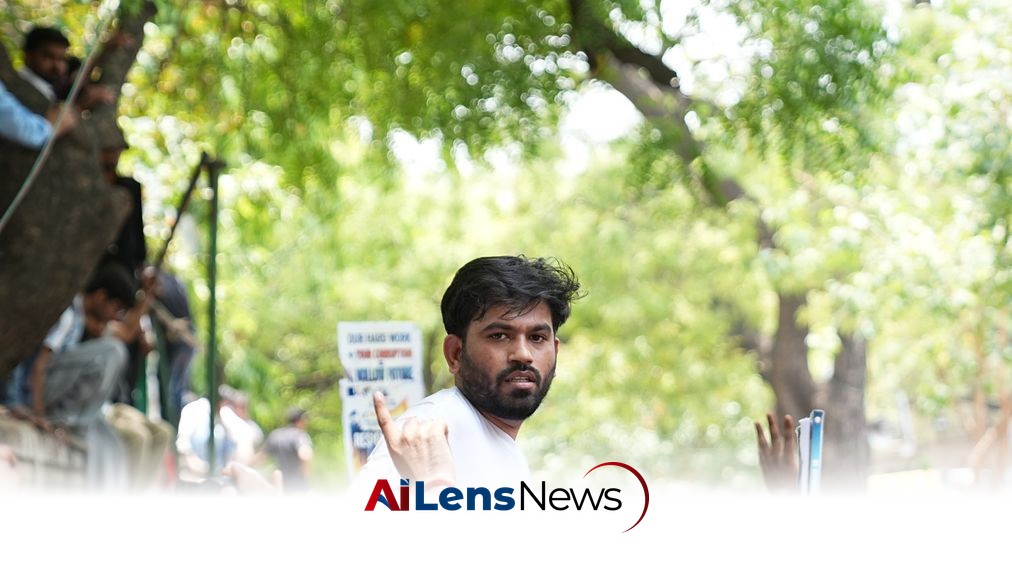


The Cockroach Janta Party (CJP) is set to hold discussions with the government at the Constitution Club of India, following a request for a neutral venue.
Leh, India Jul 24, 2026 ALN: The government and the Cockroach Janta Party (CJP) are set to hold talks on Friday at the Constitution Club of India here after the Centre "agreed" to the outfit's request that the meeting be held at a neutral venue. This development is significant as it reflects ongoing tensions between the CJP, a political outfit emerging from grassroots activism, and the central government, which has faced criticism over various issues, including education reform and accountability in public examinations.
There was no official confirmation from the government on it so far, but the anticipation surrounding the meeting underscores the importance of dialogue in addressing the demands raised by the CJP. The decision to meet at the Constitution Club—a venue known for its historical significance and neutrality—marks a shift in the government's approach to engaging with dissenting voices. The Constitution Club of India, established in 1956, is a prestigious venue often used for political discussions and dialogues, and its selection for this meeting suggests a recognition of the need for a more open and transparent dialogue.
The development comes hours after activist Sonam Wangchuk ended his 26-day hunger strike late on Thursday night following government assurances on his key demands. Wangchuk's hunger strike had garnered significant media attention and public support, highlighting issues related to educational reforms and the mental health crisis among students. His decision to end the strike was seen as a pivotal moment, potentially signaling a willingness on the part of the government to address the concerns raised by activists and political groups alike. Wangchuk, known for his innovative approaches to education and sustainable development, has been a vocal advocate for reforms that prioritize student well-being and academic integrity.
The meeting is likely to be held around 12.30 pm, and expectations are high regarding the outcomes. CJP national spokesperson Saurav Das expressed optimism about the government's decision to engage at a neutral venue. "A discussion has been called. We are very happy that the government has agreed to our request that the meeting should be held at a neutral venue, and the Constitution Club of India has been chosen," Das told reporters. His comments reflect a cautious optimism that the discussions could lead to meaningful dialogue and potential resolutions to the ongoing protests. The CJP's insistence on a neutral venue is indicative of their desire for a fair and unbiased platform for discussions, which they believe is essential for productive dialogue.
Das further stated, "I hope the government comes with an open mind and listens to the people," emphasizing the need for a constructive approach from government representatives. The CJP had earlier declined the government's invitation to hold talks at a minister's residence or office, insisting that discussions should take place at a neutral venue. This insistence underscores the CJP's commitment to transparency and accountability in the political process, as well as its desire to ensure that the voices of the people are heard without the constraints of power dynamics often present in more formal settings.
The last round of talks between the two sides took place on July 20, when CJP national spokespersons Das and Ashutosh Ranka met Union Health Minister J P Nadda at his residence. However, the atmosphere during that meeting was reportedly tense, with the two leaders alleging that they were kept under "virtual detention" during the discussions. Such claims raise concerns about the government's willingness to engage in open and honest dialogue, and they have fueled the CJP's insistence on holding future discussions in neutral spaces. The perception of being detained or restricted during discussions can severely undermine trust and hinder productive dialogue, making the choice of venue even more critical in this context.
The CJP has maintained that its protest at Jantar Mantar will continue until Pradhan resigns. This demand is rooted in broader grievances regarding the management of competitive examinations and the perceived failures of the education system. The CJP argues that the current administration has not done enough to address the systemic issues that have led to widespread distress among students, particularly in the wake of the alleged NEET paper leak, which has been a focal point of public outrage. The NEET (National Eligibility cum Entrance Test) paper leak has raised serious questions about the integrity of the examination process, leading to calls for accountability and reform.
Besides seeking Pradhan's resignation, the outfit has demanded accountability over alleged irregularities in competitive examinations, reforms in the education system, Rs 1 crore compensation for families of students who died by suicide following the alleged NEET paper leak, and withdrawal of all FIRs and legal action against peaceful protesters who participated in the movement. These demands highlight the urgent need for reform in how examinations are conducted and how educational institutions respond to the pressures faced by students. The tragic outcomes of student distress, including suicides, underscore the critical need for systemic change in the education sector to prioritize mental health and student welfare.
The implications of this meeting extend beyond the immediate concerns of the CJP and the government. The outcome could set a precedent for how future interactions between civil society and the government are conducted, particularly in contexts where significant dissent exists. If the government is able to engage constructively with the CJP and address some of their demands, it could potentially ease tensions and restore some level of trust between the government and the public. Conversely, failure to address these issues could lead to further unrest and mobilization among students and activists. The stakes are high, as the education system is a critical area of concern for many families and communities across the country.
As the political landscape continues to evolve, the importance of dialogue and negotiation cannot be overstated. The CJP's insistence on a neutral venue for discussions reflects a broader demand for transparency and accountability in governance. The outcome of the talks at the Constitution Club of India will be closely monitored by various stakeholders, including students, educators, and political analysts, as it could have far-reaching implications for the future of education policy and civil society engagement in India. The ability of the government to respond effectively to the concerns raised by the CJP may influence not only current political dynamics but also shape public perceptions of the government's commitment to reform and accountability in the long term.
To learn more about the latest developments in Elections, stay updated with our exclusive reports and analyses on AiLensNews.

