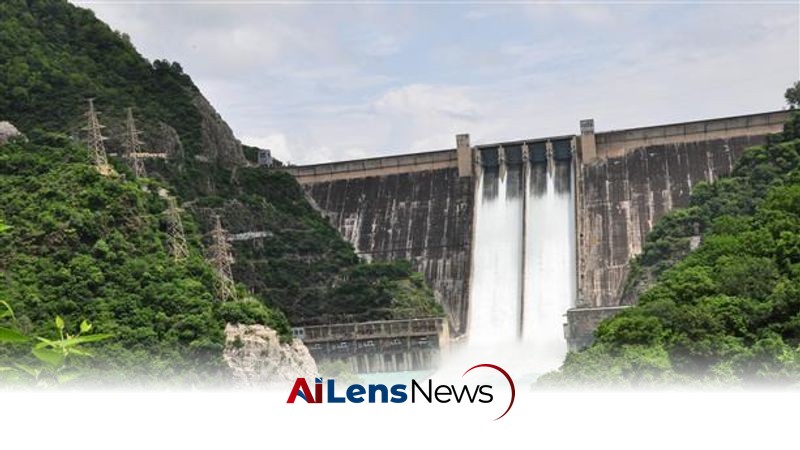



The Centre has proposed a cashless formula to settle long-standing dues owed to Himachal Pradesh from the Bhakra Beas Management Board, following Supreme Court directives.
Leh, India Jul 31, 2026 ALN: The long-standing demand for payment of dues to Himachal Pradesh from the Bhakra Beas Management Board (BBMB) projects, which dates back to 1966, is finally set to be addressed. On Thursday, the Centre informed the Supreme Court that an amicable settlement can be reached through a new cashless formula between the partner states for clearing these arrears.
This development comes after years of disputes regarding the financial obligations of the BBMB, which manages the Bhakra and Beas river systems. The Supreme Court has been actively involved in this matter, urging both the Centre and the states to find a resolution that satisfies all parties involved.
The BBMB was established to manage the water resources of the Bhakra and Beas rivers, which are crucial for irrigation and hydroelectric power generation in the region. The BBMB was formed in 1966 as a joint venture involving the states of Punjab, Haryana, and Himachal Pradesh, aimed at optimizing the use of these rivers for irrigation and power generation. However, disputes have arisen over the distribution of revenues and the payment of dues to Himachal Pradesh, which has been advocating for its rightful share for decades.
Himachal Pradesh has long claimed that it is entitled to a larger share of the revenues generated by the hydroelectric projects under the BBMB. The state's argument is based on the premise that the water resources, which are critical for these projects, originate from its territory. As a result, the state has sought compensation for the use of its water resources, leading to a protracted legal battle that has spanned decades.
The financial disagreements have been complicated by the fact that the BBMB operates on a multi-state framework, making it challenging to reach a consensus on revenue sharing and dues payments. The issue has often been a point of contention in inter-state relations, leading to multiple rounds of discussions and negotiations that have not yielded satisfactory results for Himachal Pradesh.
The Supreme Court's involvement has intensified in recent months, as it has emphasized the need for a fair and timely resolution to the financial disputes. The court has expressed frustration over the delays and has called for a cooperative approach among the states involved. The judiciary's intervention has been crucial in pushing the parties to the negotiating table, as the court has recognized the urgency of resolving the financial issues that have persisted for decades.
In its hearings, the Supreme Court has highlighted the importance of adhering to the principles of equity and fairness in the distribution of revenues generated from the BBMB projects. The court has also urged the parties to consider the long-term implications of continued disputes on regional development and cooperation among the states. The judiciary's insistence on a resolution reflects a broader understanding of the socio-economic challenges faced by states like Himachal Pradesh, which rely heavily on the revenues generated from these water resources.
The Centre's proposal for a cashless settlement aims to streamline the payment process and eliminate the complexities associated with traditional cash transactions. This innovative approach is expected to facilitate quicker payments and ensure that Himachal Pradesh receives the funds it is owed without further delays. The cashless formula is envisioned as a digital mechanism that would allow for the direct transfer of funds between the states involved, thereby reducing the bureaucratic hurdles that have historically plagued such transactions.
Implementing a cashless settlement system could also enhance transparency and accountability in the financial dealings between the states and the BBMB. By utilizing digital payment methods, the likelihood of discrepancies and disputes arising from cash transactions could be significantly minimized. Moreover, this approach aligns with the broader national agenda of promoting digital transactions and reducing reliance on cash, which has been a key focus of the Indian government in recent years.
As discussions continue, the focus will be on finalizing the details of the cashless formula and ensuring that all parties agree to the terms. The Supreme Court is expected to monitor the progress closely, with further hearings scheduled to assess the situation. The court's oversight will be critical in ensuring that the proposed settlement is implemented effectively and that the financial interests of Himachal Pradesh are adequately protected.
This proposed resolution marks a significant step towards addressing the long-standing financial grievances of Himachal Pradesh and could set a precedent for future agreements among states involved in similar disputes. The successful implementation of this cashless settlement could pave the way for more collaborative approaches to inter-state financial issues, fostering a spirit of cooperation and mutual benefit among the states.
Furthermore, resolving this dispute could have broader implications for the governance of water resources in India. As water scarcity becomes an increasingly pressing issue, establishing clear frameworks for revenue sharing and resource management will be essential. The resolution of the BBMB dues could serve as a model for other states facing similar challenges, promoting a more harmonious approach to the management of shared water resources.
In conclusion, the Centre's proposal for a cashless settlement represents a potentially transformative approach to resolving the long-standing financial disputes between Himachal Pradesh and the BBMB. By leveraging technology to facilitate payments and enhance transparency, this initiative could not only address the immediate financial grievances of Himachal Pradesh but also contribute to a more cooperative and equitable framework for managing inter-state water resources in the future.
To learn more about the latest developments in Elections, stay updated with our exclusive reports and analyses on AILensNews.

