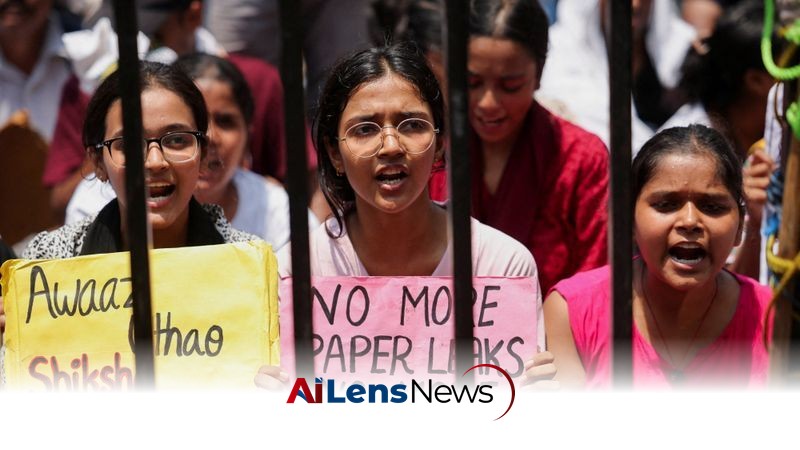


In a surprising move, BJP's Murali Manohar Joshi expressed concern over police actions against students protesting paper leaks, marking a significant shift in party rhetoric.
Leh, India Jul 24, 2026 ALN: In a notable departure from the party line, veteran BJP leader Murali Manohar Joshi has publicly criticized the police action taken against students protesting against paper leaks. This statement comes as a significant shift in the party's approach to the ongoing student protests that have gained momentum in recent days. The protests have not only highlighted the grievances of the students but have also raised broader questions about the integrity of the examination system in India and the government's response to public dissent.
Joshi, a member of the BJP's Margdarshak Mandal, described the police's response to the protests as "painful". His remarks signal a growing concern within the party regarding the handling of the situation, which has seen students demanding accountability and transparency in the examination process. The protests are part of a larger narrative that reflects the frustrations of a generation grappling with issues of fairness and opportunity in a highly competitive educational landscape.
The protests erupted after allegations surfaced regarding paper leaks in various examinations, prompting students to take to the streets in large numbers. Instances of paper leaks have been reported in several states, affecting numerous competitive exams that are crucial for students' future careers. These incidents have not only undermined the credibility of the examination process but have also fueled a sense of injustice among students who work tirelessly to prepare for these tests.
As students mobilized, they expressed their discontent through various forms of protest, including marches, sit-ins, and social media campaigns. The grievances stem from a deep-seated belief that the examination system, which is supposed to provide a level playing field, is marred by corruption and inefficiency. The students argue that such irregularities not only compromise their future but also reflect a broader systemic failure that needs urgent attention.
Students have been vocal about their frustrations, calling for reforms and stricter measures to prevent such incidents in the future. They demand a thorough investigation into the leaks, accountability from educational authorities, and the implementation of robust systems to safeguard the integrity of the examination process. The protests have also served as a platform for students to voice broader concerns regarding educational policies and the perceived lack of responsiveness from the government.
Moreover, the protests have drawn attention to the mental health challenges faced by students in a highly competitive environment. Many students feel immense pressure to perform well in examinations, which are often seen as the gateway to better educational and employment opportunities. The added stress of potential irregularities only exacerbates their anxiety and disillusionment with the system.
In his statement, Joshi emphasized the importance of listening to the grievances of the youth. He urged party leaders to engage in dialogue with the students rather than resorting to forceful measures. "It is essential to understand their concerns and address them appropriately," he stated. His call for dialogue reflects a recognition of the changing dynamics in Indian politics, where the youth play a pivotal role in shaping public opinion and electoral outcomes.
Joshi's comments are particularly significant considering his long-standing association with the BJP and his previous roles in the government. His advocacy for a more compassionate approach to handling student protests indicates a potential shift in the party's strategy, especially as it seeks to connect with younger voters who may feel alienated by traditional political discourse. This is especially pertinent in an era where political engagement among youth is increasingly influenced by social media and grassroots activism.
Joshi's comments have sparked a mixed response within the BJP. While some leaders support his call for a more compassionate approach, others remain steadfast in their support for the police's actions, viewing them as necessary to maintain order. This division within the party reflects a broader debate about the balance between law enforcement and civil liberties, particularly in the context of student activism.
Supporters of Joshi's stance argue that engaging with students and addressing their concerns can foster a more positive relationship between the government and the youth. They contend that a heavy-handed approach can lead to further alienation and resentment, ultimately undermining the government's credibility. On the other hand, proponents of the police action argue that maintaining public order is paramount, especially in situations where protests can escalate and disrupt daily life.
This internal conflict within the BJP also mirrors a larger societal debate about the rights of citizens to protest and the responsibilities of the state to maintain order. The manner in which police handle protests can significantly impact public perception of the government, especially among younger demographics who are increasingly vocal about their rights.
This unexpected stance from Joshi could have implications for the BJP's public image, especially among younger voters. As the party navigates the complexities of student sentiments, it faces the challenge of balancing law enforcement with the need for dialogue and understanding. The BJP has historically relied on its strong organizational structure and governance record to appeal to voters, but the current situation underscores the necessity of adapting to the evolving political landscape.
Moreover, the BJP's response to these protests could influence its electoral prospects in upcoming elections. With youth constituting a significant portion of the electorate, how the party addresses their concerns could determine its appeal to this demographic. The party may need to reassess its approach to student issues and consider implementing reforms that resonate with the aspirations of young people.
The implications of this situation extend beyond immediate electoral considerations. It raises critical questions about the future of student activism in India and the role of political parties in addressing youth concerns. If the BJP can successfully engage with the student community, it may not only improve its standing among young voters but also set a precedent for how political parties interact with civil society.
As the protests continue, the BJP's response will be closely scrutinized. Joshi's remarks may pave the way for a more nuanced approach, emphasizing the importance of addressing the concerns of the youth while maintaining public order. The situation presents an opportunity for the BJP to demonstrate its commitment to democratic values, including the right to protest and the importance of dialogue in resolving conflicts. Ultimately, how the party chooses to engage with the student community could shape its political trajectory in the coming years, as it seeks to remain relevant in an increasingly dynamic political environment.
The outcome of this situation will likely influence not only the BJP's internal dynamics but also the broader landscape of student politics in India. As students continue to mobilize and assert their rights, the government's ability to respond effectively and empathetically will be crucial in determining the future of student activism and the relationship between the state and its youth.
To learn more about the latest developments in Political Controversies, stay updated with our exclusive reports and analyses on AiLensNews.

