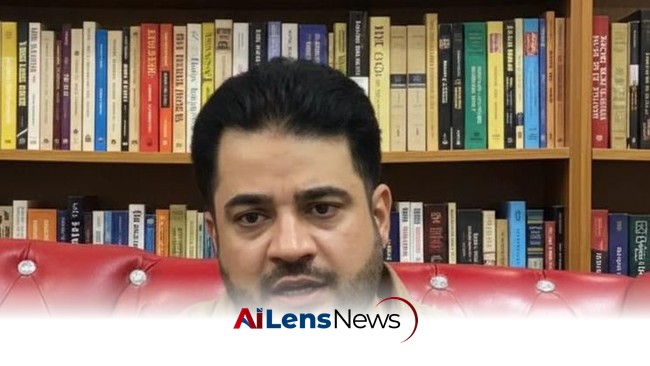


Awami Itihaad Party urges swift government action to fulfill promises made to traders impacted by recent floods.
Leh, India Jul 27, 2026 ALN: Awami Itihaad Party (AIP) Chief Spokesperson Inam Un Nabi has called upon Chief Minister Omar Abdullah to immediately implement the assurances he made to the traders whose shops were destroyed after the devastating flash floods along the Sukhnag Nallah in Beerwah.
The recent flash floods that struck the region have left a significant mark on the local economy, particularly affecting small business owners in Beerwah. This area, known for its vibrant market and small enterprises, has seen many of its traders lose not only their shops but also their primary source of livelihood. The flash floods, which occurred unexpectedly, have had a profound impact on families who depend on these small businesses for their survival. Many of these traders are not just business owners; they are integral parts of the community, providing essential goods and services that support the local population.
Inam Un Nabi stated that the Chief Minister's visit to the affected area had raised hopes among the victims, and those assurances must now be translated into immediate action. He emphasized that the government must not allow these promises to remain mere announcements. The affected traders deserve swift rehabilitation, fair compensation, and a clear timeline for restoring their businesses. Delays in addressing these issues will only deepen the economic and psychological distress of families already struggling to recover from the aftermath of the floods.
The psychological toll of such disasters can be significant, as individuals and families grapple with the loss of their livelihoods and the uncertainty of their future. The emotional and mental health of affected individuals is often overlooked in the immediate aftermath of such events, yet it is crucial for a holistic recovery process. Inam Un Nabi pointed out that the community's resilience is tested during such times, and the government must take a proactive approach to support not just the economic recovery but also the mental well-being of those impacted.
Inam Un Nabi further emphasized the urgency of the situation, demanding the immediate release of compensation to the traders. He pointed out that the loss of their shops means a loss of income not only for them but also for their employees and the broader community that relies on their services. This ripple effect can exacerbate the economic downturn in the region, leading to a cycle of unemployment and poverty that can take years to reverse.
He also called for the early completion of the assessment process to determine the extent of the damage and the necessary compensation for each affected trader. This process is crucial to ensure that those impacted receive the support they need to begin rebuilding their lives. Additionally, he urged the government to allot suitable temporary commercial spaces until permanent rehabilitation is ensured. This would allow traders to start their businesses again, even if in a limited capacity, thereby helping to restore some normalcy to their lives.
Moreover, Inam Un Nabi proposed that the government formulate a comprehensive rehabilitation package that addresses both immediate relief and long-term livelihood restoration. Such a package could include financial assistance, access to low-interest loans, and training programs to help traders adapt to changing market conditions. The importance of a well-structured rehabilitation plan cannot be overstated, as it can significantly influence the speed and effectiveness of recovery efforts. A structured approach to recovery can help prevent future economic shocks and ensure that the local economy can rebound more effectively from disasters.
Inam Un Nabi further stressed the need for permanent flood mitigation measures along the Sukhnag Nallah, including strengthening embankments, improving drainage infrastructure, and conducting regular safety audits of vulnerable commercial structures to prevent such disasters in the future. Flooding is not an uncommon occurrence in the region, and without proactive measures, the cycle of destruction and recovery will continue to plague the area, impacting the livelihoods of many. The implementation of such measures would not only protect current businesses but also encourage future investments in the region, fostering a more resilient economic environment.
Reaffirming Awami Itihaad Party's solidarity with the affected traders, Inam Un Nabi stated that the party stands firmly with them in their hour of crisis and will continue to press the government until every commitment made to the victims is fulfilled in letter and spirit. This commitment from the AIP reflects a broader understanding of the importance of political support in times of disaster, as local leaders play a crucial role in advocating for the needs of their constituents. Political advocacy can often lead to quicker responses from government entities, ensuring that affected individuals do not feel abandoned in their time of need.
The situation in Beerwah is emblematic of the broader challenges faced by many communities in the region, where natural disasters can have devastating effects on local economies. The flash floods along the Sukhnag Nallah serve as a reminder of the need for robust disaster preparedness and response strategies that can mitigate the impact of such events in the future. Local governments must prioritize infrastructure improvements, emergency response training, and community awareness programs to enhance resilience against future disasters.
The implications of the recent floods extend beyond immediate economic concerns. The psychological impact on the affected traders and their families can lead to long-term social issues, including increased stress and anxiety levels, which could affect community cohesion. Therefore, it is crucial that any rehabilitation efforts not only focus on financial recovery but also address the mental health needs of those impacted. Initiatives such as counseling services, community support groups, and stress management workshops could be beneficial in helping individuals cope with their experiences.
As the government prepares to respond to these urgent demands, it is essential for them to engage with affected communities to understand their needs fully. Community involvement in the planning and implementation of rehabilitation efforts can lead to more effective and sustainable outcomes. Furthermore, transparency in the compensation process will be vital to restore trust between the government and the traders. Open communication channels and regular updates on the status of recovery efforts can help alleviate concerns and foster a sense of partnership between the government and the community.
In conclusion, the Awami Itihaad Party's call for immediate relief for flood-affected traders in Beerwah highlights the critical need for timely government action in disaster recovery efforts. The loss of livelihoods due to natural disasters poses significant challenges, and it is imperative that comprehensive strategies are developed to aid affected communities in their recovery. The situation serves as a call to action for both local authorities and the government to prioritize disaster preparedness and ensure that promises made to victims are fulfilled promptly and effectively. Addressing the needs of the affected traders in Beerwah is not only a matter of economic recovery but also a crucial step towards rebuilding trust and resilience within the community.
To learn more about the latest developments in Elections, stay updated with our exclusive reports and analyses on AiLensNews.

