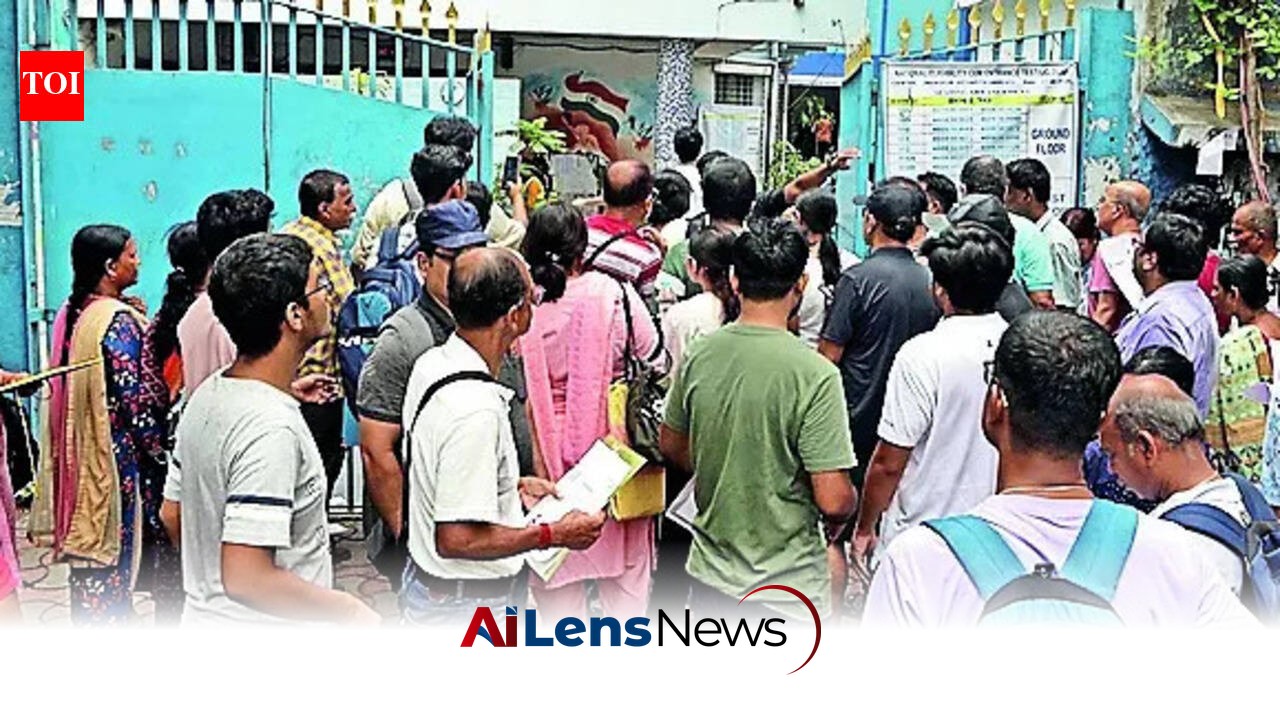


The NEET-UG 2026 results show significant absenteeism in Kerala and other southern states, while Rajasthan boasts a high qualification rate.
New Delhi, India Jul 18, 2026 ALN: The National Eligibility cum Entrance Test (NEET) is a pivotal examination for aspiring medical students in , serving as the gateway to undergraduate medical education in the country. This highly competitive exam is crucial for those seeking admission into various medical colleges across , and its significance cannot be overstated. The NEET-UG 2026 attendance statistics have unveiled striking regional disparities in candidate participation across various states, highlighting significant trends that warrant attention from educational authorities and policymakers alike.
This year, states such as Kerala, Tamil Nadu, and Karnataka have reported alarmingly high rates of absenteeism among candidates. The figures released indicate that these states have experienced significant drops in attendance compared to previous years, raising pressing concerns regarding access to medical education and engagement levels among students in these southern states. The high absenteeism rates could reflect a variety of underlying issues, including socio-economic factors, the availability of educational resources, and the effectiveness of awareness campaigns aimed at encouraging student participation in medical entrance examinations.
In stark contrast, Rajasthan has emerged as a beacon of success in the NEET-UG 2026 statistics, witnessing not only increased registrations but also a commendable qualification rate among its candidates. This trend indicates a growing interest in pursuing medical careers among students in this northern state, setting it apart from its southern counterparts. The success in Rajasthan may be attributed to several factors, including improved educational infrastructure, targeted outreach programs, and a cultural emphasis on the importance of medical professions. The state has made concerted efforts to enhance the quality of education and create an environment conducive to learning, which has evidently paid off.
Other northern states, such as Uttar Pradesh, have also reported lower absentee numbers, suggesting a shift in participation patterns in medical entrance examinations. This evolving landscape highlights the need for targeted interventions to address the challenges faced by candidates in states with high absenteeism. For instance, states with lower participation rates may benefit from enhanced support systems, such as mentorship programs, financial assistance for students from economically disadvantaged backgrounds, and increased availability of preparatory resources. These measures could help bridge the gap and encourage more students to participate in the NEET examination.
The disparities in NEET attendance could be attributed to various factors. In Kerala, for example, while the state boasts a high literacy rate and a well-established education system, there may be systemic issues that hinder student participation in NEET. These could include a lack of awareness about the importance of the examination, or alternative career paths that draw students away from traditional medical education. Additionally, socio-economic conditions play a significant role; students from lower-income families may face barriers such as the cost of exam preparation, transportation to examination centers, and the overall financial burden associated with medical education. This situation raises questions about the effectiveness of current educational policies in addressing these disparities.
In Tamil Nadu, the high levels of absenteeism could be reflective of the intense competition for medical seats, which may discourage some students from even attempting the examination. The mental and emotional toll of preparing for such a competitive exam can lead to burnout, resulting in students opting out altogether. Furthermore, the state has a robust alternative education system, including engineering and other vocational courses, which may attract students away from medical careers. This diversification of educational pathways can dilute the focus on medical education, leading to increased absenteeism in NEET.
Karnataka has also faced challenges in maintaining high participation rates for NEET. The state has seen a rise in private medical colleges, which may contribute to a perception that access to medical education is becoming increasingly commercialized. This perception could deter students from lower-income backgrounds from participating in the examination, fearing they may not be able to afford the costs associated with private medical education. The increasing costs associated with medical studies, combined with the perception of high competition, could lead to a significant number of students choosing not to attempt the NEET at all.
On the other hand, Rajasthan's success could serve as a model for other states grappling with high absenteeism. The state government has implemented various initiatives aimed at increasing awareness and accessibility of medical education. These include workshops in schools to educate students about the NEET process, collaboration with coaching institutes to provide affordable preparatory courses, and outreach programs targeting rural areas where access to educational resources may be limited. Such proactive measures have proven effective in increasing both the number of registrations and the qualification rates among students.
Moreover, cultural factors in Rajasthan may also play a role in the increased participation rates. There is a growing societal recognition of the importance of medical professionals, which may motivate students to pursue careers in healthcare. This cultural shift can be critical in fostering an environment where aspiring medical students feel supported and encouraged to take the NEET examination. The emphasis on medical professions in the community can create a positive feedback loop, where success stories inspire more students to follow suit.
The implications of these trends are significant. As the medical field continues to expand, understanding the dynamics that influence student participation in entrance examinations will be crucial for policymakers and educational institutions. Addressing regional disparities is essential to ensure equitable access to medical education across the country. This may involve implementing tailored strategies that consider the unique challenges faced by each state, such as enhancing support for students from disadvantaged backgrounds, increasing the availability of preparatory resources, and fostering a culture that values medical education. Additionally, the role of technology in education, such as online preparatory courses and virtual mentorship, could be explored to further enhance accessibility.
In conclusion, the NEET-UG 2026 results not only reflect the current state of medical entrance examination participation but also underscore the importance of addressing regional disparities to ensure equitable access to medical education across . The stark differences in absenteeism rates among states highlight the need for a concerted effort to understand and mitigate the barriers faced by aspiring medical students. As the landscape of medical education continues to evolve, it is imperative that all stakeholders work collaboratively to create an inclusive environment that supports the aspirations of all students, regardless of their geographical or socio-economic circumstances. The future of healthcare in may depend on how effectively these challenges are addressed, ensuring that every capable student has the opportunity to pursue a career in medicine.
To learn more about the latest developments in Policies & Reforms, stay updated with our exclusive reports and analyses on AiLensNews.

