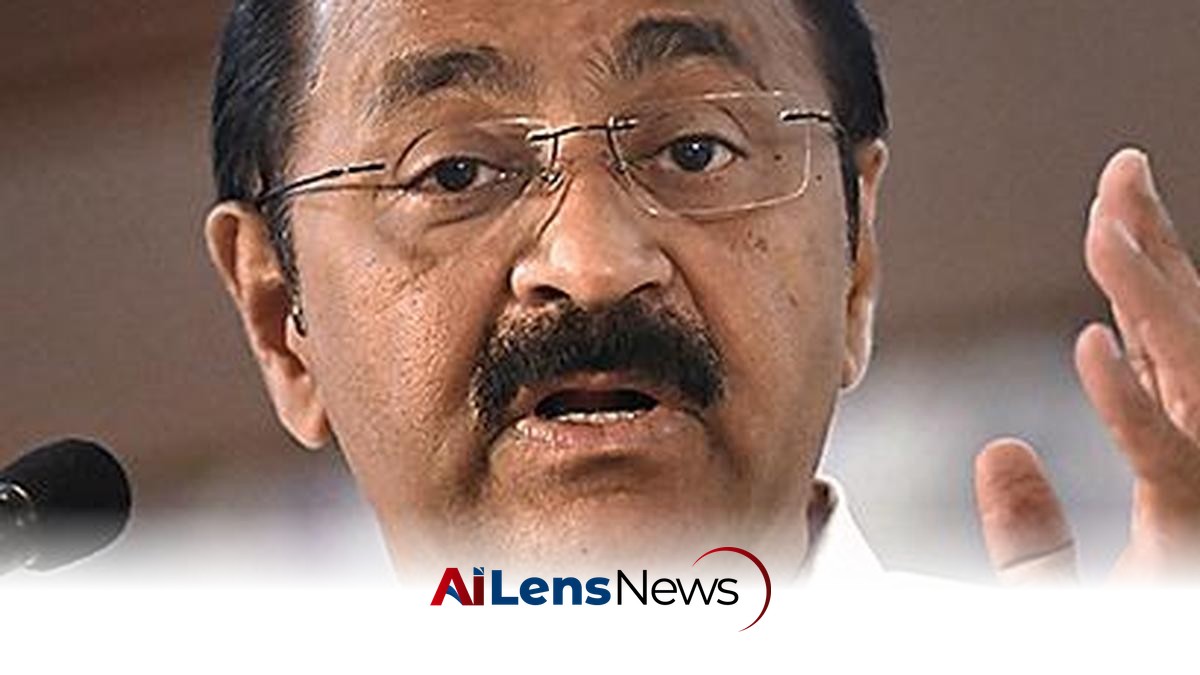


During the inauguration of welfare projects, Chief Minister V.D. Satheesan emphasized the government's commitment to empowering women and backward communities through skill training and financial initiatives.
Thiruvananthapuram, India Jul 23, 2026 ALN: Chief Minister V.D. Satheesan has stated that the United Democratic Front (UDF) government has accorded top priority to making women and backward communities self-reliant. This emphasis on empowerment reflects a broader understanding of the socio-economic dynamics in the state, where women and marginalized groups have often faced systemic challenges that hinder their progress. The government's initiatives aim to address these challenges through targeted programs and support mechanisms, recognizing that empowering these groups is not only a matter of social justice but also a crucial component of sustainable economic development.
Historically, women have been disproportionately affected during times of social or financial crises. They often bear the brunt of economic hardships, illness, and other difficulties in their lives, which can lead to a cycle of poverty and dependency. The Chief Minister's statement was made after the inauguration of ‘Samagra – 2026’, a State-level initiative for various welfare projects launched by the State Backward Classes Development Corporation at Palluruthy in Kochi on Thursday (July 23, 2026). The ‘Samagra – 2026’ initiative is designed to create a comprehensive framework for enhancing the livelihoods and social status of women and members of backward communities, recognizing the intersectionality of gender and socio-economic status in the development discourse.
The Chief Minister assured that the government would take necessary steps to provide skill training, guidance, and facilities to market products made by women, thereby promoting their self-reliance. Skill development is a critical component of this initiative, as it empowers women with the tools and knowledge required to participate effectively in the economy. By equipping women with marketable skills, the government aims to reduce dependency on traditional roles and enhance their economic independence. This approach not only benefits the individual women involved but also has the potential to uplift entire communities, as empowered women are more likely to invest in their families and local economies.
He mentioned that over 540 projects had been lined up as part of the government's 100-day action plan. This ambitious plan reflects the government's commitment to rapid implementation of welfare measures, ensuring that the benefits reach the intended beneficiaries without unnecessary delays. A dedicated portal has been established to inform the public about the progress of each project, with review meetings scheduled every 20 days to ensure timely implementation. This transparency is crucial for building trust between the government and the communities it serves, as it allows citizens to monitor progress and hold officials accountable. The establishment of such mechanisms not only enhances the effectiveness of the programs but also fosters a culture of civic engagement and participation.
The Chief Minister urged women to invest the money they save by utilizing the ‘Priyadarshini’ free travel scheme on Ordinary buses of the State Road Transport Corporation into the ‘pink chitty’ scheme of the State Financial Enterprises. The ‘Priyadarshini’ scheme is a significant initiative aimed at reducing transportation costs for women, enabling them to travel for work, education, and other essential activities without financial strain. By encouraging women to invest their savings into the ‘pink chitty’ scheme, the government is promoting a culture of savings and financial planning, which can lead to greater economic stability for families. This initiative reflects a broader understanding of financial literacy as an essential component of empowerment, equipping women with the knowledge and resources necessary to make informed financial decisions.
K.A. Thulasi, Minister for Scheduled Castes, Scheduled Tribes, and Backward Classes Welfare, highlighted in her presidential address that the State Backward Classes Development Corporation has formulated plans aligned with the government’s commitment to assist backward communities. The Minister's remarks underscore the importance of targeted policies that address the unique challenges faced by these communities. She noted that the ‘Priyadarshini’ free travel scheme and low-interest loan initiatives have garnered significant public attention, indicating a positive reception among the intended beneficiaries. This suggests that the government is effectively responding to the needs of these communities, which is vital for ensuring the success of the programs.
V. E. Abdul Gafoor, Minister for Fisheries; Kochi Mayor V.K. Minimol; and MLAs Mohammed Shiyas, Deepak Joy, and Tony Chammany also participated in the function. Their presence at the inauguration signifies a united front among various political leaders in support of the empowerment initiatives. This collaborative approach is essential for ensuring that the programs are effectively implemented and that they resonate with the needs of the communities they aim to serve. Political support can play a crucial role in mobilizing resources and fostering community buy-in, which is necessary for the long-term sustainability of these initiatives.
The broader implications of these initiatives are significant. By focusing on the empowerment of women and backward communities, the UDF government is addressing longstanding inequalities that have persisted in the state. These efforts are not only aimed at improving the economic status of these groups but also at fostering social cohesion and reducing disparities within society. As women and marginalized communities gain access to resources, skills, and opportunities, they are likely to contribute more actively to the local economy, which can lead to overall developmental benefits for the state. This aligns with global development goals that emphasize the importance of inclusive growth and social equity.
Moreover, the emphasis on skill training and self-reliance aligns with global trends in sustainable development, where the empowerment of women is recognized as a key driver for economic growth and social progress. The initiatives undertaken by the government can serve as a model for other regions facing similar challenges, showcasing how targeted interventions can lead to meaningful change. By investing in women and backward communities, the government is not only addressing immediate needs but also laying the groundwork for long-term economic resilience.
In conclusion, Chief Minister V.D. Satheesan's commitment to empowering women and backward communities through initiatives like ‘Samagra – 2026’ represents a significant step towards addressing systemic inequalities in the state. As these programs unfold, their success will depend on effective implementation, community engagement, and the continued support of all stakeholders involved. The government's proactive approach to skill development, financial inclusion, and social welfare is poised to create a more equitable society where all individuals have the opportunity to thrive. This commitment to empowerment is not just a policy initiative; it is a transformative vision that seeks to uplift entire communities and foster a more just and inclusive society.
To learn more about the latest developments in Elections, stay updated with our exclusive reports and analyses on AiLensNews.

