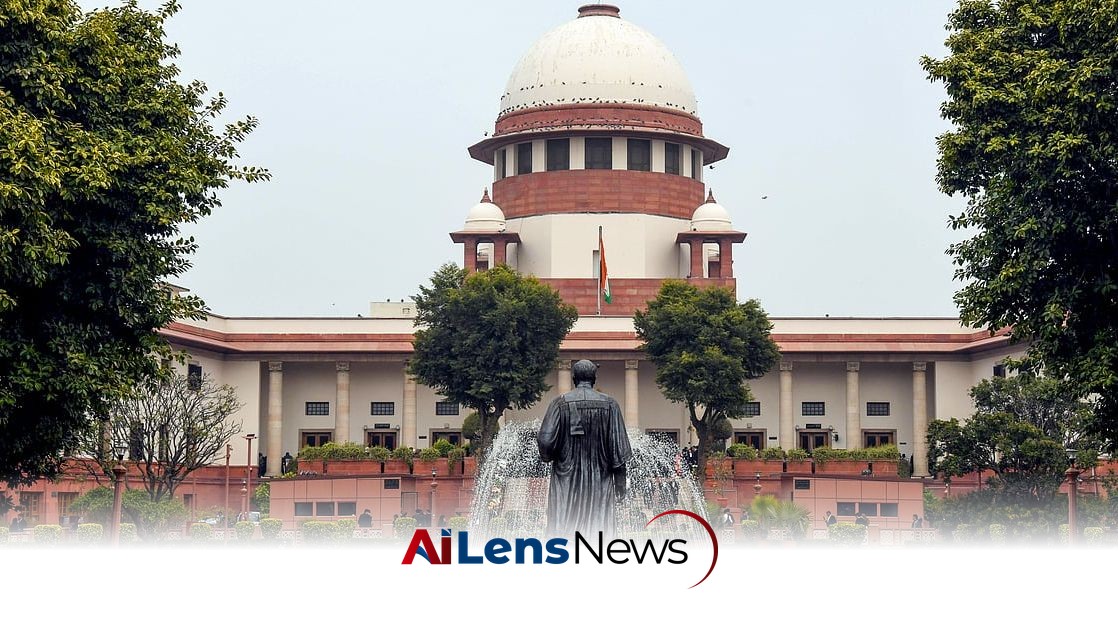


The Supreme Court has extended the deadline for elections in five Bengaluru city corporations to December 31, citing ongoing electoral roll revisions.
Bengaluru, India Jul 17, 2026 ALN: Elections to the five city corporations under the Greater Bengaluru Authority (GBA) have now been extended until December 31. This decision comes amid ongoing challenges related to the electoral process in Karnataka, which has seen delays and complications since the elections were initially scheduled.
For the second time this year, the Supreme Court on Friday extended the deadline for conducting the much-delayed elections, which have been pending since 2020. Originally, these elections were supposed to be held by June 30, but after an extension to August 31, the deadline has now been pushed further to December 31. This pattern of delays raises questions about the electoral process and governance in the region.
A bench comprising Chief Justice of India Surya Kant and Justices Joymalya Bagchi and V Mohana issued the order after it was informed that the Special Intensive Revision (SIR) of electoral rolls was underway in Karnataka. The SIR process is crucial for ensuring that the electoral rolls are accurate and up-to-date, which is fundamental for the integrity of the electoral process.
The GBA's plea for an extension highlighted the challenges faced by the electoral machinery in Karnataka. The authority stated that the entire administrative machinery and human resources of the five city corporations were fully engaged in the SIR exercise. This indicates a significant commitment of resources towards ensuring that the electoral rolls reflect the current population and demographic changes.
The Special Intensive Revision is described as an extremely manpower-intensive exercise that entails house-to-house visits by booth-level officers. This level of engagement is necessary to verify the details of voters, ensuring that those eligible to vote are registered and that there are no discrepancies in the electoral rolls. The process requires day-to-day involvement of the complete supervisory structure involving other officers at all levels, up to the District Election Officer, highlighting the complexity and scale of the operation.
Appearing for the GBA, Senior Advocate Kapil Sibal conveyed to the apex court that the SIR exercise was ongoing in the State and that the electoral rolls would be finalized in November this year. This timeline is critical as it sets the stage for when the elections can realistically be conducted. The court's decision to extend the deadline reflects an understanding of the logistical challenges involved in preparing for a fair and transparent electoral process.
Taking note of the submission, the bench stated that in light of the fact that Karnataka is conducting the SIR and the process will be completed in November, it directed that the elections to the five corporations be held in December. This ruling underscores the importance of ensuring that elections are conducted under optimal conditions, with accurate and verified electoral rolls.
The implications of this extension are significant for governance in Bengaluru and the surrounding areas. The delay in conducting these elections has raised concerns among citizens regarding the functioning and accountability of local governance structures. Without elected representatives in place, there may be a lack of responsiveness to local issues, as the city corporations play a vital role in managing urban infrastructure, public services, and community welfare.
Furthermore, the postponement of elections may affect public trust in the electoral process and the institutions responsible for conducting them. Voter engagement and participation are crucial for the health of democracy, and repeated delays can lead to disenchantment among the electorate. It is essential for the authorities to communicate transparently about the reasons for these delays and the steps being taken to ensure that elections are conducted fairly and efficiently.
The GBA has been under scrutiny for its handling of the electoral process, with various stakeholders expressing concerns over the implications of prolonged delays. The GBA's role extends beyond merely conducting elections; it is responsible for ensuring that urban governance is effective and that the needs of the citizens are met. The lack of elected officials can lead to a governance vacuum, where decisions may be made without adequate representation or public input.
As December approaches, the focus will shift to the preparations for the elections and the implications of the finalized electoral rolls. The outcome of these elections will have a lasting impact on the governance of Bengaluru, influencing policies and initiatives that affect millions of residents. Issues such as waste management, traffic congestion, public transport, and housing will all be influenced by the leadership that emerges from these elections.
Moreover, the electoral process in Karnataka has broader implications for democracy in India. The state has a history of political volatility, and the manner in which these elections are conducted could set precedents for future electoral processes in other states. Ensuring that the elections are conducted smoothly and transparently can help reinforce public faith in democratic institutions, while any further delays could exacerbate existing tensions and lead to public discontent.
In conclusion, while the extension of the deadline for the Bengaluru city corporation elections reflects the complexities involved in the electoral process, it also highlights the need for a robust and efficient electoral system that can adapt to challenges. The successful completion of the SIR and the subsequent elections will be crucial in restoring public confidence in local governance and ensuring that the voices of citizens are heard in the decision-making processes that affect their lives. As the electoral landscape evolves, the focus must remain on creating an environment where democracy can thrive, and citizens can actively participate in shaping their governance.
To learn more about the latest developments in Elections, stay updated with our exclusive reports and analyses on AiLensNews.

