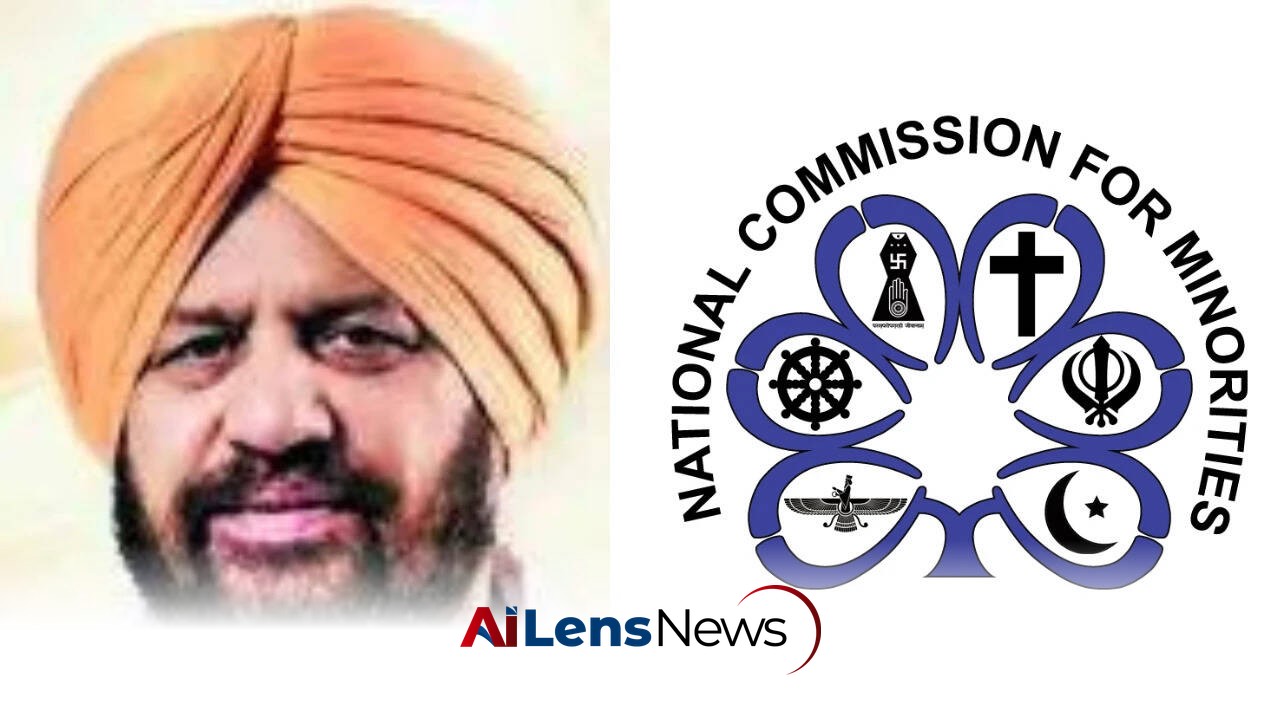


Harjit Singh Grewal has been appointed as the new chairman of the National Commission for Minorities, marking the second Sikh to lead the panel under the Modi government.
New Delhi, India Jul 22, 2026 ALN: The National Commission for Minorities (NCM) has appointed Harjit Singh Grewal as its new chairman after a 15-month vacancy. This appointment marks a significant moment as Grewal becomes the second Sikh to lead the commission under the Modi government, following Iqbal Singh Lalpura.
The NCM plays a crucial role in addressing the concerns of minority communities in , ensuring their rights and interests are protected. Established in 1992, the commission was formed with the purpose of safeguarding the interests of the minority communities as well as promoting their social, economic, and educational development. Grewal's appointment is expected to bring renewed focus to the issues faced by these communities, especially in the context of ongoing discussions about social justice and equality.
Grewal has a long history of involvement in social and political issues affecting minority groups. Before his appointment, he was known for his active participation in various social initiatives aimed at uplifting marginalized communities. His experience is anticipated to be instrumental in navigating the complexities of minority rights in , particularly in light of the diverse and often contentious landscape of n politics.
Grewal has been associated with several organizations that advocate for the rights of minorities and has worked closely with various civil society groups. His understanding of the socio-political dynamics in , coupled with his commitment to social justice, positions him well to address the challenges that lie ahead. Moreover, Grewal's background reflects a blend of activism and policy-making, which is essential for effective leadership in the NCM.
Grewal's previous roles have often involved direct engagement with minority communities, allowing him to gain firsthand insight into their needs and grievances. This experience is particularly relevant given the backdrop of heightened communal tensions in recent years and the growing demands for equitable treatment across various minority groups. His ability to communicate effectively with different stakeholders, including government officials, community leaders, and the general public, will be vital as he seeks to bridge gaps and foster understanding.
The choice of a Sikh chairman again highlights the Modi government's approach towards minority representation. It raises questions about the government's strategies for engaging with various communities and addressing their specific needs. The appointment of leaders from minority backgrounds can be seen as an effort to foster inclusivity; however, it also invites scrutiny regarding the effectiveness of such representation in translating into tangible benefits for the communities they represent.
The NCM has faced criticism in the past for perceived inadequacies in addressing the grievances of minority communities. Some observers argue that the commission has not always been proactive in tackling issues such as communal violence, discrimination, and socio-economic disparities. Grewal's leadership will be pivotal in redefining the commission's approach and ensuring that it serves as a robust platform for minority advocacy.
Furthermore, the historical context of minority rights in cannot be overlooked. The country is home to a multitude of religious and ethnic minorities, each with their unique challenges. The NCM's effectiveness in advocating for these groups has been historically tied to the political climate and the prevailing attitudes towards minority rights. Grewal's appointment comes at a time when the conversation around minority rights is becoming increasingly prominent, with various civil society organizations and activists calling for more substantial reforms.
With Grewal at the helm, stakeholders are looking for proactive measures to enhance the welfare of minority communities. Key areas of focus may include:
In recent years, there has been an increasing emphasis on the need for policies that not only recognize the rights of minorities but also actively promote their integration into the broader socio-economic framework of the country. The commission's role in this context becomes even more critical as it seeks to bridge gaps between minority communities and government initiatives.
Moreover, Grewal's tenure is expected to focus on facilitating better communication and cooperation between minority groups and governmental bodies. Effective dialogue can lead to a better understanding of the unique challenges faced by these communities and can help in formulating more targeted interventions. There is also an expectation that Grewal will prioritize transparency and accountability within the commission, ensuring that it remains responsive to the needs of the communities it serves.
In addition to these expectations, there is a growing call for the NCM to take a more proactive stance in addressing issues such as hate crimes, social exclusion, and economic disparities. The commission's ability to monitor and report on these issues will be critical in shaping public policy and fostering a more inclusive society.
Despite the optimism surrounding Grewal's appointment, he will face considerable challenges as he takes on this role. The political landscape in is complex and often polarized, with minority issues frequently becoming points of contention. Navigating this landscape will require not only diplomatic skills but also a deep understanding of the historical and contemporary factors that contribute to minority marginalization.
Additionally, the commission's effectiveness in advocating for minority rights will be closely monitored by both the public and political analysts. There are expectations that Grewal will need to balance the interests of various minority groups, each with its unique set of challenges and demands. This balancing act is crucial, as failure to adequately address the concerns of any particular group could lead to further disenfranchisement and social unrest.
Moreover, Grewal will likely encounter resistance from various quarters, particularly in a political environment where minority rights are often overshadowed by majoritarian narratives. His ability to advocate for minority rights in a manner that resonates with the broader population will be essential for garnering support for the NCM's initiatives.
Harjit Singh Grewal's appointment as the chairman of the National Commission for Minorities is a pivotal development in n politics. His leadership will be crucial in shaping the future of minority rights in the country, and it remains to be seen how he will address the pressing issues faced by these communities. As discussions about social justice, equality, and representation continue to evolve, the NCM under Grewal's leadership will play a significant role in determining the trajectory of minority rights in .
In summary, the appointment of Harjit Singh Grewal comes at a time when the need for effective advocacy for minority rights is more critical than ever. With the right strategies and commitment, there is potential for meaningful progress in addressing the historical injustices faced by minority communities, ultimately contributing to a more inclusive and equitable society. The expectations are high, and the path forward will require both determination and collaboration among all stakeholders involved.
To learn more about the latest developments in Leaders & Politicians, stay updated with our exclusive reports and analyses on AiLensNews.

