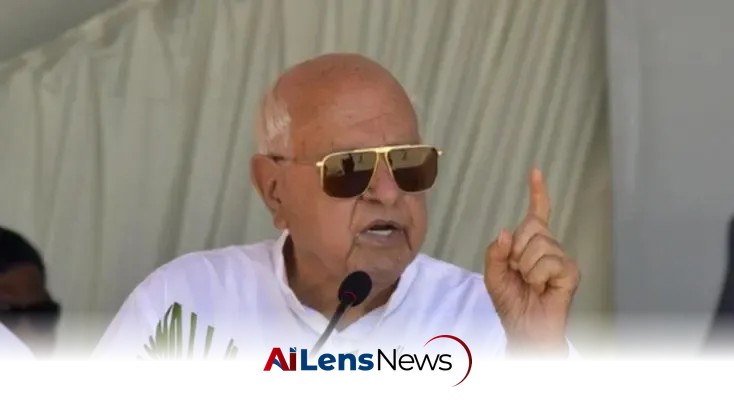


Dr. Farooq Abdullah emphasizes the importance of Kashmiriyat and unity in combating divisive politics during the historic Jantar Mantar protest.
New Delhi, India Jul 30, 2026 ALN: Dr. Farooq Abdullah emphasizes the importance of Kashmiriyat and unity in combating divisive politics during the historic Jantar Mantar protest.
Srinagar: Jammu and Kashmir National Conference President Dr. Farooq Abdullah on Wednesday stated that the historic Jantar Mantar protest marked a defining moment in J&K’s democratic journey, decisively exposing the bankruptcy of divisive politics and reaffirming that the people’s collective voice cannot be silenced by manufactured polarization or political misadventures.
The Jantar Mantar protest, which took place in the heart of India’s capital, New Delhi, has become symbolic of the struggle for rights and recognition by various marginalized groups across the nation. This particular event drew attention not only for its immediate concerns but also for its broader implications regarding the unity and identity of the people of Jammu and Kashmir. Dr. Abdullah’s remarks highlight the ongoing challenges faced by the region, especially in the context of its unique cultural identity, which has been shaped by centuries of history, tradition, and social interactions.
Addressing the 49th Parents’ Day function organized by the Rural Development Society at Tagore Hall, Dr. Farooq said the overwhelming participation of people cutting across regions, religions, and generations at Jantar Mantar sent an unmistakable message that Jammu and Kashmir’s pluralistic ethos is far stronger than attempts to fragment society along communal lines. The concept of 'Kashmiriyat'—a term that embodies the cultural identity and social harmony of the Kashmiri people—was emphasized as a cornerstone for fostering unity in the face of divisive politics.
“The protest demonstrated that the politics of division has limits, but the politics of unity has limitless strength. It reflected the people’s unwavering resolve to democratically pursue their legitimate aspirations through solidarity, not sectarianism,” he said. The event was organized by the Society’s founder and senior National Conference leader Haji Mubarak Gul, who has been a longstanding advocate for social issues in the region.
Dr. Farooq stated that the identity and future of Jammu and Kashmir rest on safeguarding Kashmiriyat, its composite culture, linguistic diversity, and centuries-old traditions of coexistence. This cultural richness is vital not only for the residents of Jammu and Kashmir but also for the broader Indian narrative, which prides itself on diversity and pluralism. He urged parents and teachers to ensure that children grow up rooted in their mother tongues, particularly Kashmiri, warning that societies which abandon their language and culture eventually surrender their identity. Language is not just a means of communication; it is a vessel of culture, history, and identity.
Expressing grave concern over the growing drug menace, Dr. Farooq described narcotics as one of the greatest threats confronting the Valley’s youth. The issue of drug abuse has reached alarming proportions in Jammu and Kashmir, with reports indicating a rising number of young individuals falling prey to addiction. He said the fight against addiction cannot be won by the government alone and called for a united societal response involving parents, teachers, religious scholars, civil society, and community leaders. “Drugs do not merely destroy individuals; they dismantle families, weaken society, and rob generations of their future,” he cautioned. This statement underscores the need for a collaborative approach to address the multifaceted challenges posed by substance abuse, which requires not only awareness but also effective intervention strategies.
Recalling the works done during his tenure as J&K CM from 1996-2002, Dr. Farooq said one of his earliest decisions was to introduce Kashmiri language and moral education in schools to reconnect younger generations with their cultural and ethical foundations. This initiative aimed at fostering a sense of pride and identity among the youth, ensuring that they remain connected to their roots while navigating the complexities of modern life. He added that every religion teaches compassion, humanity, and mutual respect, while Islam also enjoins respect for followers of all faiths and champions communal harmony. This perspective is particularly relevant in a region that has experienced significant communal tensions and violence, emphasizing the importance of tolerance and understanding among different communities.
Highlighting the sanctity of parents’ rights, he said Islam places extraordinary emphasis on serving and respecting one’s parents, describing their blessings as the greatest source of success in both worlds. This moral framework is crucial for the younger generation, who are often faced with various societal pressures and temptations. He urged the younger generation to uphold this moral obligation with sincerity and devotion, reinforcing the need for strong familial bonds and respect for elders as foundational elements of a healthy society.
Dr. Farooq also lauded the Rural Development Society and Haji Mubarak Gul for their sustained public service in promoting respect for parents, environmental stewardship, water conservation, plantation drives, and anti-drug awareness, describing such initiatives as essential investments in building a resilient and socially conscious society. These programs not only address immediate social issues but also contribute to the long-term sustainability of communities in Jammu and Kashmir. The emphasis on environmental conservation is particularly pertinent in the context of climate change and its impacts on local ecosystems, which have significant implications for agriculture, water resources, and overall quality of life.
The function concluded with the presentation of the Mader-e-Meharban Awards and other honors to distinguished personalities for their outstanding contributions in different fields. Recognizing the efforts of individuals and organizations working towards social betterment serves to inspire others and foster a culture of giving back to the community. The program was attended by office-bearers of the Rural Development Society from all three regions, members of civil society, religious scholars, intellectuals, and prominent citizens, reflecting a broad spectrum of support for the initiatives being discussed. This gathering not only celebrated achievements but also reinforced the collective commitment to addressing the pressing issues facing Jammu and Kashmir.
In summary, Dr. Farooq Abdullah’s remarks at the Jantar Mantar protest and the subsequent Parents’ Day function encapsulate the ongoing struggle for identity, unity, and social cohesion in Jammu and Kashmir. As the region navigates complex political, social, and economic challenges, the emphasis on Kashmiriyat, cultural preservation, and collective action against societal issues like drug abuse emerges as a vital narrative for fostering resilience and hope among its people.
To learn more about the latest developments in Elections, stay updated with our exclusive reports and analyses on AiLensNews.

