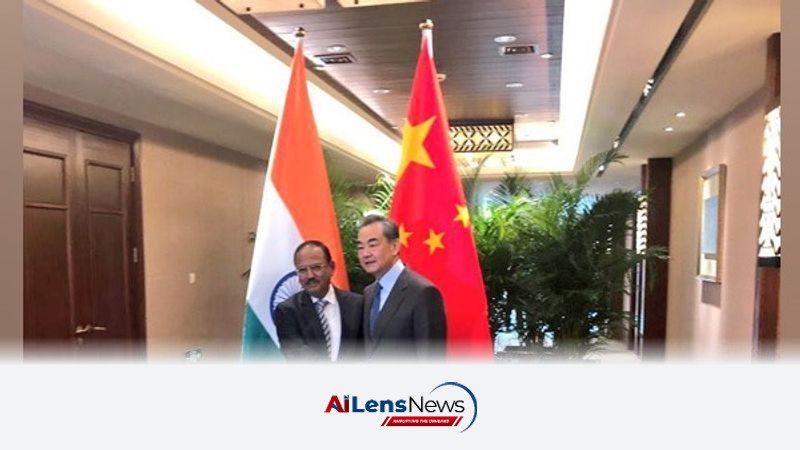



Ajit Doval is traveling to Beijing for discussions with Wang Yi, coinciding with President Xi Jinping's upcoming visit to India for the BRICS summit.
New Delhi, India Aug 24, 2026 ALN: National Security Adviser Ajit Doval is set to embark on a significant diplomatic mission to Beijing on Monday. This visit comes just weeks ahead of the anticipated arrival of Chinese President Xi Jinping in India for the BRICS leaders’ summit, scheduled for September 12-13. The timing of Doval's visit is particularly noteworthy, as it reflects an urgent need to address diplomatic tensions between the two neighboring nations.
The discussions between Doval and his Chinese counterpart, Wang Yi, are expected to cover a range of critical issues, including bilateral relations, security concerns, and regional stability. This meeting is particularly crucial as it aims to address ongoing tensions between the two nations, especially in light of recent border disputes that have caused significant strain on their relationship. The Line of Actual Control (LAC), which serves as the de facto border between India and China, has been a flashpoint for military confrontations, leading to heightened military presence and an atmosphere of distrust.
The backdrop of this meeting is marked by a complex history of India-China relations, characterized by both cooperation and conflict. Historically, the two nations have shared a relationship that oscillates between periods of engagement and confrontation. The BRICS summit, which will see leaders from Brazil, Russia, India, China, and South Africa convene, provides a platform for Doval and Wang to discuss not only bilateral issues but also broader geopolitical dynamics that affect the region and the world.
The BRICS summit itself comes at a time when the global geopolitical landscape is shifting, with emerging economies seeking to assert their influence on the world stage. India's role in BRICS is particularly significant, as it represents one of the largest economies in the grouping and has been vocal about issues such as reforming international financial institutions and promoting sustainable development. The summit also serves as an opportunity for member countries to collaborate on shared challenges, including economic recovery post-COVID-19 and climate change initiatives.
This meeting is pivotal not just for India-China relations but also for regional stability in Asia. With both nations being major players in the region, their cooperation is essential for addressing common challenges such as terrorism, climate change, and economic development. The implications of the discussions between Doval and Wang extend beyond bilateral relations; they may influence the broader geopolitical dynamics in Asia and beyond.
For instance, the strategic partnership between India and the United States, often viewed with skepticism by China, could be impacted by the outcomes of this meeting. Conversely, China's growing influence in South Asia and its relationships with countries like Pakistan and Nepal are also critical factors that India must consider in its diplomatic approach.
As Doval prepares for this high-stakes meeting, the international community will be watching closely to see how the discussions unfold and what implications they may have for future India-China relations. The outcome of this meeting could either pave the way for a renewed phase of dialogue and cooperation or exacerbate existing tensions, depending on how both sides navigate their differences.
In conclusion, Ajit Doval's visit to Beijing represents a crucial step in navigating the complex landscape of India-China relations, with the potential to pave the way for improved dialogue and cooperation in the coming months. The stakes are high, and both nations must approach this meeting with a commitment to finding common ground while addressing their respective national interests. The path forward will require not only diplomatic finesse but also a willingness to engage in constructive dialogue, which has been elusive in recent years.
To learn more about the latest developments in Elections, stay updated with our exclusive reports and analyses on AILensNews.

