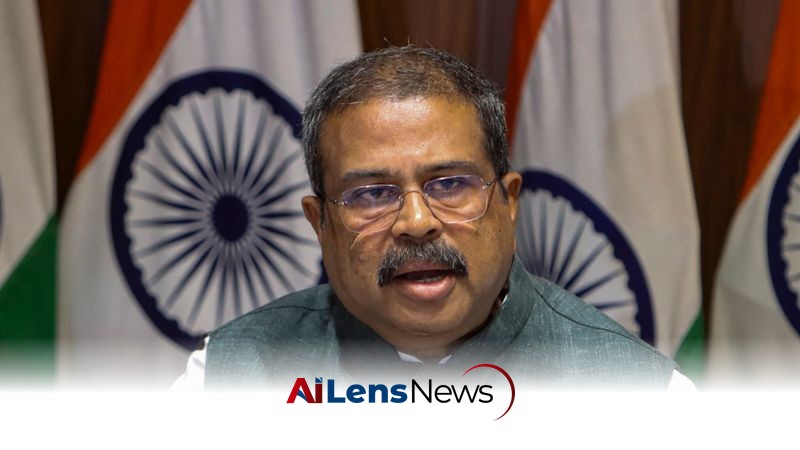


Union Education Minister Dharmendra Pradhan has resigned, citing student interests in his letter to the Prime Minister, following controversies over examination paper leaks.
New Delhi, India Jul 25, 2026 ALN: In a significant political development, Union Education Minister Dharmendra Pradhan has tendered his resignation, a move that has stirred discussions across the nation. The resignation comes amid escalating pressure regarding the government's handling of a nationwide controversy surrounding alleged examination paper leaks.
Pradhan's resignation letter addressed to the Prime Minister emphasized his commitment to prioritizing the interests of students. He expressed concerns over the impact of the ongoing crisis on the educational landscape and the integrity of examination processes. This resignation not only reflects Pradhan's personal accountability but also highlights the growing frustrations among students and parents regarding the examination system.
The controversy erupted when reports surfaced regarding the leakage of examination papers, which led to widespread public outcry and demands for accountability. The issue first gained traction when students reported discrepancies in the examination process, alleging that certain papers were circulated prior to the official examination dates. As these allegations gained momentum, various media outlets began to investigate the claims, leading to a series of exposés that painted a troubling picture of the examination integrity.
Critics have accused the government of mishandling the situation, which has raised questions about the transparency and fairness of the examination system. The credibility of the educational institutions and the Ministry of Education has been called into question, with many arguing that the system is plagued by corruption and inefficiency. The fallout from these allegations has not only affected students' trust in the examination process but has also led to a broader conversation about educational reforms in India.
The examination system in India has long been a topic of contention, with various stakeholders advocating for reform. The reliance on standardized testing and high-stakes examinations has created a culture of intense pressure among students, leading to concerns about mental health and well-being. In this context, the recent allegations of paper leaks have exacerbated existing anxieties and frustrations, prompting students to demand accountability and systemic change.
In recent weeks, protests have been organized by students and educational activists, calling for reforms and stricter measures to prevent such incidents in the future. Demonstrations have taken place in various cities, with students demanding a thorough investigation into the paper leak allegations and the implementation of transparent examination processes. The situation has put immense pressure on the Ministry of Education, prompting calls for Pradhan's resignation as a means to restore public trust. Many protesters believe that a change in leadership could signal a new direction for the ministry and a commitment to educational integrity.
The resignation has drawn mixed reactions from various political factions. Supporters of Pradhan have praised his decision as a principled stand for the welfare of students, arguing that it demonstrates a willingness to take responsibility for the failures of the system. They contend that his resignation could pave the way for more effective leadership in the Ministry of Education.
On the other hand, opponents view it as an acknowledgment of the government's failures in managing the education sector. They argue that Pradhan's resignation is indicative of a larger systemic issue within the government, one that has consistently failed to address the needs and concerns of students. Political analysts suggest that this resignation could have broader implications for the ruling party, especially as it approaches upcoming elections. The handling of educational issues is expected to be a key focus for voters, and Pradhan's departure may influence public sentiment. The opposition parties are likely to capitalize on this incident to criticize the government’s track record in education.
As the government seeks to navigate this crisis, the appointment of a new Education Minister will be closely watched. The new minister will face the daunting task of restoring confidence in the education system and addressing the concerns raised by students and parents alike. This individual will not only need to tackle the immediate fallout from the examination leak controversy but also implement long-term reforms to ensure that such incidents do not recur in the future.
In the wake of Pradhan's resignation, stakeholders in the education sector are calling for immediate reforms to ensure the integrity of examinations and to protect the interests of students. These reforms may include the introduction of more stringent security measures for examination papers, the establishment of independent bodies to oversee the examination process, and increased transparency in the evaluation system. The government is under pressure to act decisively to prevent further erosion of trust in the educational framework. The success of the new minister will largely depend on their ability to engage with various stakeholders, including students, educators, and parents, to formulate effective solutions.
Moreover, the implications of this resignation extend beyond immediate governance concerns. The educational landscape in India is at a critical juncture, and the actions taken in the coming weeks will likely have lasting implications for the future of education in the country. The need for a comprehensive review of the examination system, including its policies and practices, has never been more urgent.
In conclusion, Dharmendra Pradhan's resignation marks a pivotal moment in the ongoing discourse about education in India. It highlights the urgent need for reforms and accountability in the face of growing public scrutiny. The incident serves as a reminder of the importance of maintaining the integrity of educational institutions and the necessity for government officials to be held accountable for their actions. As the nation watches closely, the next steps taken by the government will be crucial in shaping the future of education in India and restoring faith in its examination systems.
As the situation unfolds, it remains to be seen how the government will respond to these challenges and what measures will be implemented to address the ongoing concerns surrounding examination integrity. The involvement of civil society, educational experts, and student representatives in the reform process will be essential to ensure that the solutions developed are effective and sustainable. The future of education in India hinges on the collective effort to restore trust, enhance transparency, and uphold the values of fairness and integrity in the examination process.
To learn more about the latest developments in Political Controversies, stay updated with our exclusive reports and analyses on AiLensNews.

