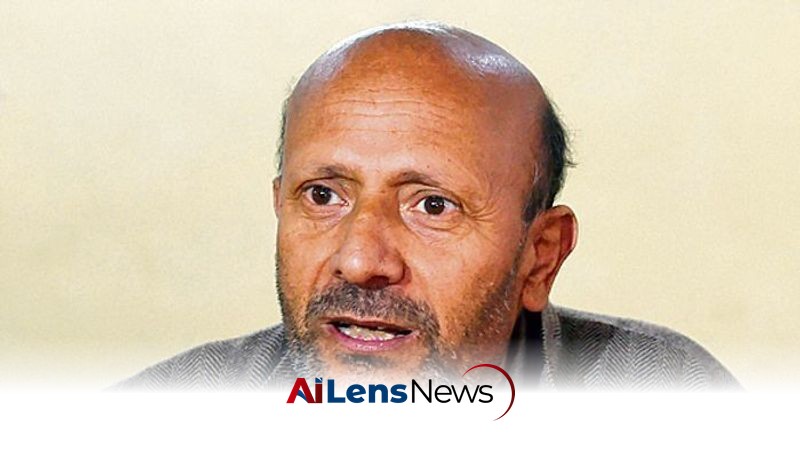


The Delhi court has allowed Baramulla MP Engineer Rashid to attend the upcoming Monsoon Session of Parliament, commencing July 20.
New Delhi, India Jul 16, 2026 ALN: The Delhi court has granted permission to Engineer Rashid, the Member of Parliament from Baramulla, to attend the upcoming Monsoon Session of Parliament. The session is scheduled to commence on July 20, and Rashid sought this permission through his advocate, Vikhyat Oberoi.
This decision comes as a significant development for Rashid, who has been involved in various political activities and discussions concerning the region of Jammu and Kashmir. His participation in the Parliament session is expected to allow him to voice the concerns of his constituents and engage in legislative discussions, which are crucial for the democratic process.
Engineer Rashid has been a prominent figure in Jammu and Kashmir politics. He is known for his outspoken nature and has often raised issues related to the rights and welfare of the people in his constituency. Born and raised in the region, Rashid has a deep understanding of the local issues that affect the daily lives of the residents. His political career began when he founded the Awami Ittihad Party, which focuses on the rights of the people of Jammu and Kashmir, and he has since been an advocate for various socio-political causes.
Rashid's role in Parliament is crucial, especially in representing the interests of the people from Baramulla. The constituency itself has a complex socio-political landscape, marked by a history of conflict and a demand for greater autonomy and rights. As a member of the Lok Sabha, Rashid has sought to highlight the unique challenges faced by his constituents, including issues related to security, development, and human rights. His active participation in legislative matters allows him to bring attention to these pressing issues on a national platform.
The court's decision to allow Rashid to attend the session follows a request made by his legal team. Advocate Vikhyat Oberoi argued that Rashid's presence in Parliament is essential for fulfilling his duties as an elected representative. Legal constraints have previously limited Rashid's ability to participate in legislative activities, raising concerns about the implications for democratic representation. The court's ruling is seen as a reaffirmation of the rights of elected officials to engage in their legislative responsibilities, regardless of any legal challenges they may face. This ruling not only affects Rashid but also sets a precedent for other politicians facing similar legal hurdles.
The Monsoon Session of Parliament is a vital period for legislative activities, where various bills and issues are discussed. This session typically addresses a range of topics, including budgetary allocations, new laws, and pressing national issues. Rashid's attendance is anticipated to contribute to the discussions, particularly those affecting Jammu and Kashmir. His insights during this session could prove invaluable in shaping policies that directly impact the lives of his constituents.
The Monsoon Session is also significant in the context of the ongoing political and social dynamics in the region. With various stakeholders keenly observing the developments in Parliament, Rashid's participation could influence discussions on critical issues such as Article 370, which granted special status to Jammu and Kashmir, and the ongoing debates surrounding governance, security policies, and development initiatives in the region. His insights and contributions may help shape the legislative agenda and ensure that the voices of the people of Jammu and Kashmir are heard, especially in light of the changes that have occurred in the region's political landscape following the abrogation of Article 370 in 2019.
Rashid's involvement in the Monsoon Session holds implications not just for his constituency but also for the broader political landscape in Jammu and Kashmir. As an MP, he has the platform to raise issues that resonate with the local population, potentially drawing attention to long-standing grievances and aspirations. His participation could serve as a catalyst for dialogue among various political factions within Jammu and Kashmir, fostering a more inclusive approach to governance. By articulating the concerns of his constituents, he may encourage other representatives to engage in discussions that prioritize the welfare of the people over political agendas.
Moreover, the court's decision to allow Rashid to attend the session may set a precedent for other politicians facing legal challenges. It underscores the importance of maintaining democratic processes and ensuring that elected officials can fulfill their roles without undue hindrance. This could have far-reaching consequences for political representation in Jammu and Kashmir, where many leaders have faced similar challenges. The ability of elected representatives to engage in legislative processes is fundamental to the functioning of democracy, and this ruling reinforces that principle.
With the court's approval, Engineer Rashid is set to participate in the upcoming Monsoon Session, marking an important moment for both him and his constituents. His involvement in legislative discussions will be closely watched as he continues to advocate for the needs and rights of the people he represents. The outcome of this session may not only impact local policies but also influence the overall political climate in Jammu and Kashmir, as the region continues to navigate its complex relationship with the central government and the aspirations of its people. In a time of significant political change, Rashid's voice may play a crucial role in shaping the future of governance in Jammu and Kashmir, ensuring that the concerns of its residents are adequately addressed in the national discourse.
To learn more about the latest developments in Elections, stay updated with our exclusive reports and analyses on AiLensNews.

