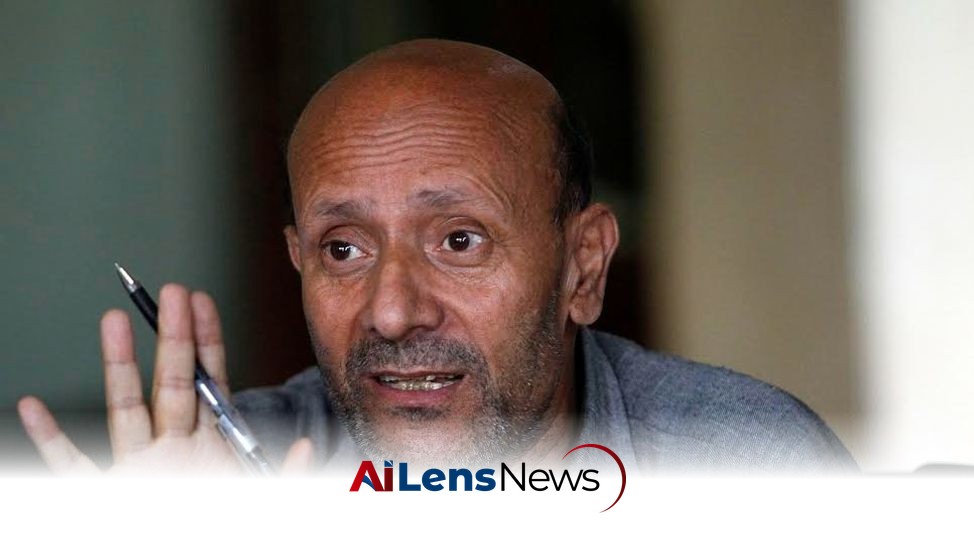


A Delhi court has permitted jailed MP Engineer Rashid to attend the Monsoon session of Parliament in custody, allowing him to participate from July 20 to August 13.
New Delhi, India Jul 16, 2026 ALN: A Delhi court on Thursday allowed jailed Lok Sabha MP Engineer Rashid to attend the Monsoon session of Parliament in custody on all dates. This decision comes at a time when the Monsoon session is critical for legislative activities and discussions on key issues affecting the nation.
Special Judge (NIA) Prashant Sharma presided over the proceedings, which were conducted in camera, meaning that they were held privately and not open to the public or media. This is not uncommon in cases involving national security and sensitive information, especially given the nature of the charges against Rashid.
Rashid, who has been a controversial figure in Indian politics, is currently serving time in Tihar Jail, one of the largest and most notorious prisons in India. His arrest in 2019 was part of a broader crackdown on separatist movements and alleged terror financing in Jammu and Kashmir, a region that has been a flashpoint of conflict and political strife for decades. The National Investigation Agency (NIA) arrested him in connection with a 2017 terror-funding case, which has drawn significant attention due to its implications for national security.
The charges against Rashid are serious and include allegations of funding separatist groups and terrorist organizations operating in Jammu and Kashmir. These allegations are part of a larger narrative surrounding the Indian government's efforts to combat terrorism and separatism in the region. The government has been under pressure to take decisive action against individuals and entities believed to be supporting such activities, especially in light of the ongoing tensions between India and Pakistan over Kashmir.
In October 2019, after being named in a chargesheet, a special NIA court framed charges against Rashid and several others. The charges include sections of the Indian Penal Code such as 120B (criminal conspiracy), 121 (waging war against the government), and 124A (sedition). Additionally, he faces charges under the Unlawful Activities (Prevention) Act (UAPA), which is designed to prevent unlawful activities that threaten the integrity and sovereignty of India.
Custody parole, as granted to Rashid, allows a prisoner to attend specific events or functions while still being under the custody of law enforcement. In this case, Rashid will be escorted by armed police personnel during his attendance at the parliamentary session. This arrangement is reflective of the balance that courts sometimes seek to strike between the rights of the accused and the need for public safety and security.
The Monsoon session of Parliament is particularly significant as it is a time when the government introduces several key bills and discusses pressing national issues. The session typically runs from July to August and is crucial for the legislative agenda of the ruling party. Rashid's presence in Parliament, even under custody, raises questions about the representation of constituents and the nature of parliamentary privileges. It also highlights the complexities of the Indian legal system, where individuals facing serious charges can still participate in legislative processes.
Rashid's case has garnered significant media attention, not just for the allegations against him but also for the broader implications it has for politics in Jammu and Kashmir. The region has a long history of political unrest, and the actions taken against figures like Rashid are indicative of the government's hardline approach to dissent and separatism. Critics argue that such actions can stifle legitimate political discourse and exacerbate tensions in the region.
Furthermore, the decision to grant custody parole to Rashid may also be viewed through the lens of political optics. As a member of Parliament, his ability to participate in discussions and debates is significant, and his absence could have implications for his political party and constituents. The ruling party may face scrutiny regarding its handling of issues related to representation and governance in Jammu and Kashmir, especially in light of the ongoing challenges faced by the region.
In conclusion, the Delhi court's decision to grant custody parole to Engineer Rashid underscores the intricate interplay between law, politics, and national security in India. As he attends the Monsoon session of Parliament, the implications of his presence will likely reverberate beyond the confines of the legislature, influencing discussions on governance, security, and the future of political representation in Jammu and Kashmir. The case continues to evolve, and it remains to be seen how it will impact both Rashid's political career and the broader political landscape in the region.
To understand the significance of this decision, it is essential to consider the historical context of Jammu and Kashmir. The region has been a contentious area since the partition of India in 1947, leading to multiple wars and ongoing skirmishes between India and Pakistan. The political landscape in Jammu and Kashmir has been shaped by various factors, including separatist movements, militancy, and the Indian government's policy responses, which have often included military and legal measures against perceived threats to national integrity.
The role of political figures like Engineer Rashid becomes crucial in this context, as they often serve as intermediaries between the state and the local population, voicing concerns and aspirations. However, with the increasing militarization of governance and the stringent laws applied to dissenters, the space for political dialogue has significantly shrunk. Rashid's arrest and subsequent charges reflect this tightening grip on dissent, where political leaders are often viewed through the lens of security threats rather than as representatives of their constituents.
Moreover, this case raises broader questions about the nature of democracy in India, particularly regarding the treatment of elected representatives who face legal challenges. The decision to allow Rashid to attend parliamentary sessions while in custody can be seen as an acknowledgment of the importance of representation, even in the face of serious allegations. It illustrates a complex legal landscape where the rights of the accused must be balanced against national security concerns.
As Rashid participates in the Monsoon session, his interactions with fellow lawmakers and participation in debates could influence public perception and political dynamics in Jammu and Kashmir. His presence may serve as a rallying point for those who support his views and as a focal point for opposition from those who view him as a threat to national security. This duality highlights the polarized nature of politics in the region and the challenges of governance in a society grappling with deep-seated divisions.
In summary, the Delhi court's decision to grant custody parole to Engineer Rashid is a significant development in the ongoing narrative of Jammu and Kashmir politics. It reflects the complexities of legal proceedings involving political figures, the balancing act between individual rights and national security, and the broader implications for governance and representation in a region fraught with tension and conflict. As the Monsoon session unfolds, all eyes will be on how Rashid navigates this critical period and what it means for the future of political engagement in Jammu and Kashmir.
To learn more about the latest developments in Political Controversies, stay updated with our exclusive reports and analyses on AiLensNews.

