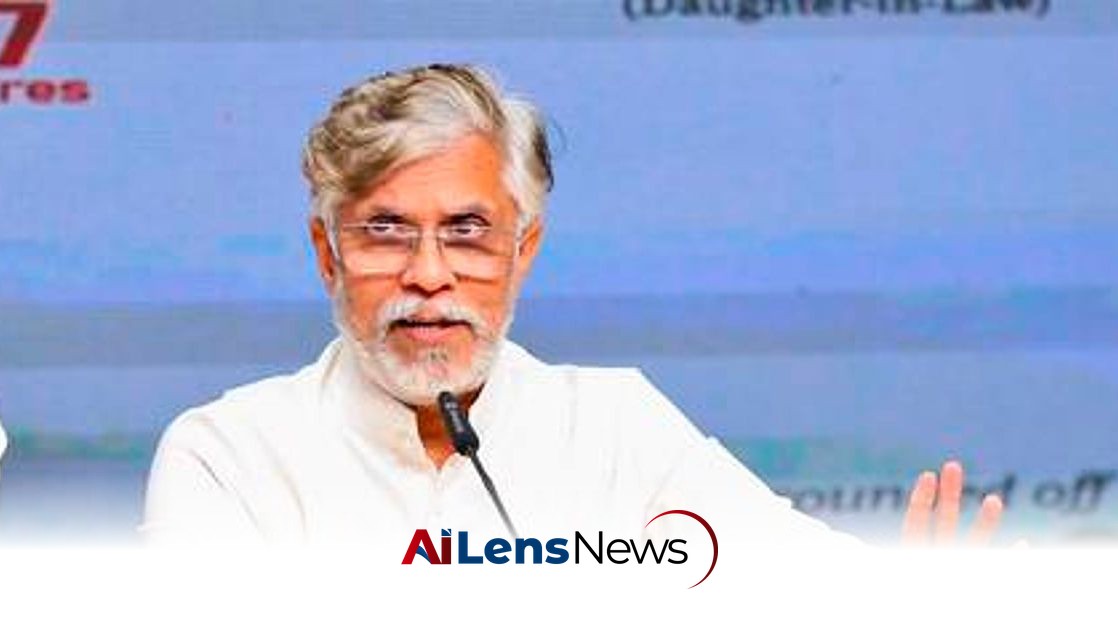


The Congress party seeks a response from Commerce Minister Piyush Goyal regarding proposed US tariffs on countries buying Russian oil, including India.
New Delhi, India Jul 15, 2026 ALN: The Congress party on Wednesday called for clarification from Commerce Minister Piyush Goyal after a bipartisan group of US senators introduced a bill proposing 100% tariffs on India and four other nations for purchasing oil from Russia. The senators allege that these countries are being "humiliated" by the threat of punitive action.
The proposed legislation, introduced by a bipartisan group of senators and brokered by the late Republican Senator Lindsey Graham, aims to impose tariffs on imports from India, China, Slovakia, Hungary, and Azerbaijan due to their purchases of Russian oil. This move comes amid ongoing geopolitical tensions following Russia's invasion of Ukraine, which has prompted numerous countries to reconsider their energy dependencies and foreign policy approaches.
In recent months, the global energy landscape has been significantly altered as countries seek to reduce their reliance on Russian oil and gas. Following the invasion, many Western nations imposed sanctions on Russia, aiming to cripple its economy and limit its ability to finance military operations. However, nations such as India and China have continued to purchase Russian oil, often at discounted rates, raising concerns among Western policymakers about the effectiveness of sanctions and the potential for these countries to undermine collective efforts to isolate Russia.
Interestingly, the bill exempts 15 European nations that continue to buy Russian gas, arguing that such imports account for only a small portion of their total energy needs and that these countries are actively working to reduce their reliance on Moscow. This exemption has raised questions about the consistency and fairness of the proposed tariffs, as it appears to selectively target non-European nations while allowing European countries to maintain their energy ties with Russia. Critics argue that this could be perceived as an inconsistency in the US approach to addressing the geopolitical ramifications of energy purchases from Russia.
In response to this development, Congress leader Pawan Khera, who heads the party's media and publicity department, questioned the Centre's stance and urged Goyal to clarify the situation. Khera's remarks highlight the complexities of India's foreign policy, which seeks to balance its strategic partnerships with both the United States and Russia. The Indian government has maintained that its energy purchases are driven by national interest and economic considerations, rather than geopolitical alignments.
"Piyush Goyal, who is quick to dismiss reports that India is holding out for a better trade deal with the US, should clarify this. These aren't House Democrats. These are Republican Senators—backed by Trump himself—demanding 100% tariffs on India and four other countries for buying Russian oil," Khera stated in a post on X. His comments underscore the political ramifications of the proposed tariffs, as they could strain US-India relations, which have been characterized by a growing partnership in recent years.
He further emphasized the gravity of the situation, saying, "Imagine the humiliation: needing Trump's approval to buy Russian oil, and now being threatened with punitive tariffs for doing exactly that." Khera's statement reflects a broader concern within Indian political circles about the potential implications of US domestic politics on India's foreign policy choices. The prospect of punitive tariffs could compel India to reevaluate its energy procurement strategies and diplomatic engagements.
In addition to India and China, the proposed tariffs would also affect Slovakia, Hungary, and Azerbaijan. These countries have been identified as significant purchasers of Russian oil, and the imposition of tariffs could lead to increased tensions between the US and these nations. The geopolitical stakes are high, as any retaliatory measures from the affected countries could further complicate international relations and energy markets.
If enacted, this legislation would represent the first instance where the US Congress has explicitly authorized the use of tariffs as a geopolitical tool to penalize countries accused of financing another nation's war effort through energy purchases. This approach marks a significant shift in US trade policy, as it intertwines economic measures with foreign policy objectives. The implications of such a shift could reverberate throughout global trade, as countries may be compelled to reconsider their energy partnerships and trade agreements in light of potential US sanctions.
The introduction of tariffs as a tool of foreign policy raises questions about the efficacy of economic sanctions in achieving geopolitical goals. While proponents argue that such measures can deter countries from engaging in behavior deemed unacceptable by the international community, critics contend that they often have unintended consequences, including economic hardship for the targeted nations and potential escalation of tensions.
Furthermore, the proposed tariffs could have significant implications for global oil markets. As countries like India and China continue to seek energy security, the potential for increased costs associated with Russian oil purchases could lead to greater volatility in oil prices. This, in turn, could affect global supply chains and economic stability, particularly in regions heavily reliant on energy imports.
As the situation develops, it will be crucial for the Indian government to navigate the complexities of international relations while ensuring its energy security and economic interests are safeguarded. The response from the Centre will likely be scrutinized not only by political opponents but also by international observers who are closely monitoring the evolving dynamics between major powers in the context of the ongoing conflict in Ukraine.
In conclusion, the proposed US tariffs on countries purchasing Russian oil highlight the intersection of trade policy and geopolitical strategy in a rapidly changing global landscape. The outcome of this legislation could have far-reaching consequences, shaping the future of international energy markets and diplomatic relations among key players on the world stage.
To learn more about the latest developments in Political Controversies, stay updated with our exclusive reports and analyses on AiLensNews.

