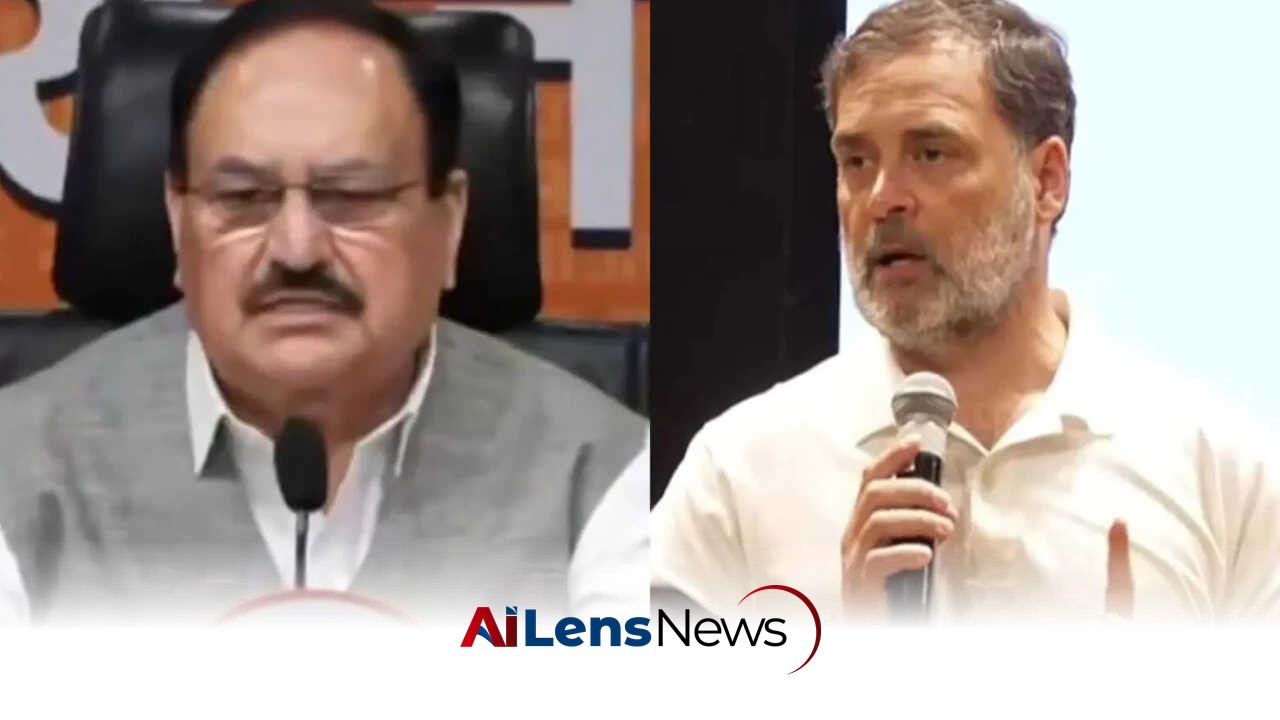


Rahul Gandhi leads protests against the government, while BJP's JP Nadda accuses Congress of selective outrage amid rising tensions.
New Delhi, India Jul 23, 2026 ALN: The political landscape in is heating up as Congress protests gain momentum, led by prominent leader Rahul Gandhi. The protests are primarily aimed at demanding the resignation of Union Minister Ajay Pradhan, with Congress leaders accusing the government of failing to address pressing issues affecting the populace. This escalation in protests comes at a time when various socio-economic issues are at the forefront of public discourse, including rising inflation, unemployment, and concerns over governance.
During a recent rally, Rahul Gandhi emphasized the need for accountability, stating, "Pradhan must go!" This sentiment resonates with many Congress supporters who feel that the current administration has lost touch with the common citizen. The protests have drawn significant media attention, highlighting the growing dissent against the ruling party. The Congress party has strategically mobilized its grassroots workers and supporters to amplify their voices across various states, aiming to create a unified front against the government’s policies.
In response to the protests, BJP President JP Nadda criticized Congress for what he termed "selective outrage." He argued that the opposition party is using the protests as a political tool rather than genuinely addressing the concerns of the people. Nadda's remarks reflect the BJP's strategy to counter the narrative being pushed by Congress. He further asserted that the ruling party has been working tirelessly to improve the lives of citizens and that the opposition is merely trying to divert attention from their own failures during their time in power.
Nadda's comments are part of a broader effort by the BJP to frame the narrative around accountability and governance. The BJP has consistently emphasized its achievements in various sectors, including infrastructure development, economic reforms, and social welfare programs, which they argue have benefited the populace. By portraying Congress as an opportunistic party, the BJP aims to undermine the credibility of the opposition and solidify its position ahead of the upcoming elections.
The ongoing protests have sparked a mixed response from the public. While many Congress supporters are rallying behind Gandhi, others question the effectiveness of such demonstrations. Some citizens express skepticism about whether protests will lead to tangible changes in governance. This skepticism is not unfounded, as past protests have often resulted in limited political change, leading some to believe that such actions may be more symbolic than substantive.
Moreover, the political divide in has intensified over the years, with many citizens feeling increasingly polarized along party lines. This polarization complicates public sentiment, as individuals may support the idea of accountability but hesitate to align with a particular party’s methods. The protests have also sparked discussions on social media, where opinions are sharply divided, reflecting the broader political discourse in the country.
As the protests continue, analysts suggest that this could be a pivotal moment for both Congress and the BJP. The outcome of these demonstrations may influence upcoming elections and shape the political strategies of both parties. Political commentators are closely monitoring the situation, as it could signal shifts in public opinion and voter sentiment. The Congress party's ability to mobilize support and sustain momentum in these protests will be crucial in determining its electoral prospects.
Additionally, the BJP's response to the protests will also be critical. If the ruling party can effectively counter the narrative and demonstrate its commitment to governance, it may solidify its base and attract undecided voters. Conversely, if the protests resonate with a broader audience and lead to significant public outcry, it could pose challenges for the BJP in maintaining its current political dominance.
To fully understand the current political climate, it is essential to consider the historical context of Congress and the BJP's rivalry. The two parties have been at the forefront of n politics for decades, with Congress historically being the dominant force post-independence. However, the rise of the BJP in the late 20th century marked a significant shift in the political landscape, leading to a more competitive environment.
In recent years, the BJP has capitalized on various issues, including nationalism and economic growth, to consolidate its power. The Congress party, on the other hand, has struggled to regain its footing, facing internal challenges and public discontent. The current protests led by Rahul Gandhi represent an attempt by Congress to reclaim its relevance and challenge the BJP’s narrative.
As both parties prepare for future electoral battles, the impact of these protests remains to be seen. The upcoming elections will likely serve as a litmus test for both Congress and the BJP, with voter sentiment playing a crucial role in determining the outcome. Analysts predict that the political landscape may continue to evolve, influenced by various factors, including economic performance, social issues, and public trust in government.
In conclusion, the ongoing protests led by Rahul Gandhi against Union Minister Ajay Pradhan highlight the growing tensions between Congress and the BJP. With accusations of selective outrage and calls for accountability, the political discourse in is becoming increasingly charged. The implications of these protests extend beyond immediate political gains, as they may reshape the dynamics of n politics for years to come. As citizens engage with these issues, the responsibility lies with both parties to address the concerns of the populace and foster a more inclusive political environment.
The recent protests are not an isolated incident but part of a larger trend of civil unrest seen in over the past several years. Various social movements have emerged, addressing issues ranging from farmers' rights to women's safety and environmental concerns. The increasing frequency of protests indicates a growing willingness among citizens to voice their discontent and demand accountability from their leaders.
Historically, protests in have played a significant role in shaping policy and political change. The legacy of movements such as the n independence struggle and more recent campaigns against corruption and for social justice reflect the power of collective action. However, the effectiveness of these protests often depends on their ability to maintain momentum and attract widespread support.
The media plays a crucial role in shaping public perception of protests and political movements. Coverage of the Congress protests has varied, with some outlets highlighting the grievances raised by Congress leaders while others focus on the criticisms leveled by the BJP. This media framing can significantly influence public sentiment and the narrative surrounding the protests.
Social media, in particular, has emerged as a powerful tool for mobilization and discourse. It allows for the rapid dissemination of information and the organization of protests, but it also has the potential to spread misinformation. The polarized nature of social media discussions can exacerbate divisions among the populace, complicating efforts to build consensus on key issues.
As the political climate in continues to evolve, the ongoing protests led by Rahul Gandhi serve as a reminder of the complexities of the country’s democratic processes. The interplay between public sentiment, media representation, and political strategy will shape the future of governance in . Both Congress and the BJP face the challenge of addressing the concerns of a diverse electorate while navigating the contentious political landscape. The coming months will be critical as both parties gear up for what promises to be a fiercely contested electoral battle.
To learn more about the latest developments in Political Controversies, stay updated with our exclusive reports and analyses on AiLensNews.

