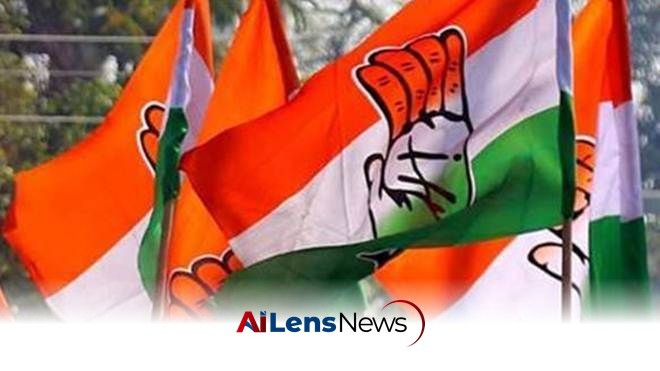



Congress criticizes PM Modi's remarks on 'dimaagi Naxals', calling it a sign of desperation and accusing him of abusive language.
New Delhi, India Aug 16, 2026 ALN: Calls it sign of ‘desperation’
NEW DELHI: Congress on Saturday hit back at Prime Minister Narendra Modi over his reference to “dimaagi Naxals” in his Independence Day speech, calling the remark a “sure sign of desperation” and dubbing him a “master abuser.”
Congress general secretary Jairam Ramesh said Modi had earlier labelled his opponents “urban Naxals” and was now using the term “dimaagi Naxals,” while claiming that the prime minister ultimately does what these groups demand or advocate.
“First he called his opponents urban Naxals, and now he has coined the term dimaagi Naxals. This is a clear indication of his desperation as he struggles to maintain his political narrative,” Ramesh stated.
Ramesh emphasized that such language reflects a lack of substantive arguments and a tendency to resort to name-calling when faced with criticism. He accused Modi of diverting attention from pressing issues facing the nation, including unemployment and inflation.
“Instead of addressing the real concerns of the people, he chooses to vilify his opponents. This tactic may work for a while, but eventually, the truth will prevail,” Ramesh added.
The Congress party has been vocal in its criticism of the Modi government, particularly in the lead-up to the upcoming elections. Ramesh's comments are part of a broader strategy to counter the ruling party's narrative and connect with voters on key issues.
Political analysts suggest that Modi's choice of words may be an attempt to rally his base by painting his opponents as extremists. However, the effectiveness of this strategy remains to be seen as public sentiment shifts based on governance and economic performance.
As the political landscape heats up, both parties are expected to intensify their campaigns, with rhetoric likely to become even sharper as they vie for voter support.
In conclusion, the Congress party's response to PM Modi's remarks underscores the ongoing political rivalry and the high stakes involved as the nation approaches another election cycle. This incident is indicative of a broader trend in Indian politics where political discourse often devolves into personal attacks rather than substantive policy discussions.
The term “Naxal” has a historical context in India, originally referring to a group of leftist insurgents who emerged in the late 1960s in West Bengal, advocating for the rights of the rural poor. Over the years, the term has evolved and is often used in a pejorative sense to label anyone with leftist or radical views. By invoking terms like “urban Naxals” and “dimaagi Naxals,” Modi appears to be attempting to associate his political adversaries with extremist ideologies, a strategy that may resonate with his supporters but risks alienating moderate voters.
This back-and-forth between the ruling party and the opposition is not unusual in the context of Indian politics, where elections often see heightened rhetoric and emotional appeals. The Congress party, which has historically been one of the two dominant political forces in India, is currently facing challenges in regaining its foothold against the BJP, which has made significant inroads in various states.
The upcoming elections are particularly crucial, as they will determine the political landscape of the country for the next several years. With issues such as economic recovery post-COVID-19, job creation, and rising inflation at the forefront, voters are looking for clear and actionable plans from both parties. The Congress party's strategy seems to focus on highlighting the failures of the Modi government while attempting to present itself as a viable alternative.
Moreover, the use of inflammatory language can have broader implications for societal cohesion. Political discourse that leans towards vilification can deepen divisions among the electorate, potentially leading to increased polarization. This is a concern that many political analysts have raised, particularly in a diverse nation like India, where communal harmony is vital for social stability.
As the election date approaches, it is expected that both parties will ramp up their messaging, with the BJP likely to continue framing its opponents in a negative light while the Congress will strive to focus on issues that resonate with the electorate. The outcome of this political battle will not only shape the future of the two parties but also have lasting impacts on Indian democracy and governance.
In summary, the exchange between Prime Minister Modi and the Congress party illustrates the contentious nature of Indian politics. As both sides prepare for the electoral contest, the focus will likely remain on rhetoric and narrative-building, with the potential for significant implications for the political landscape of India in the years to come.
To learn more about the latest developments in Political Controversies, stay updated with our exclusive reports and analyses on AILensNews.

