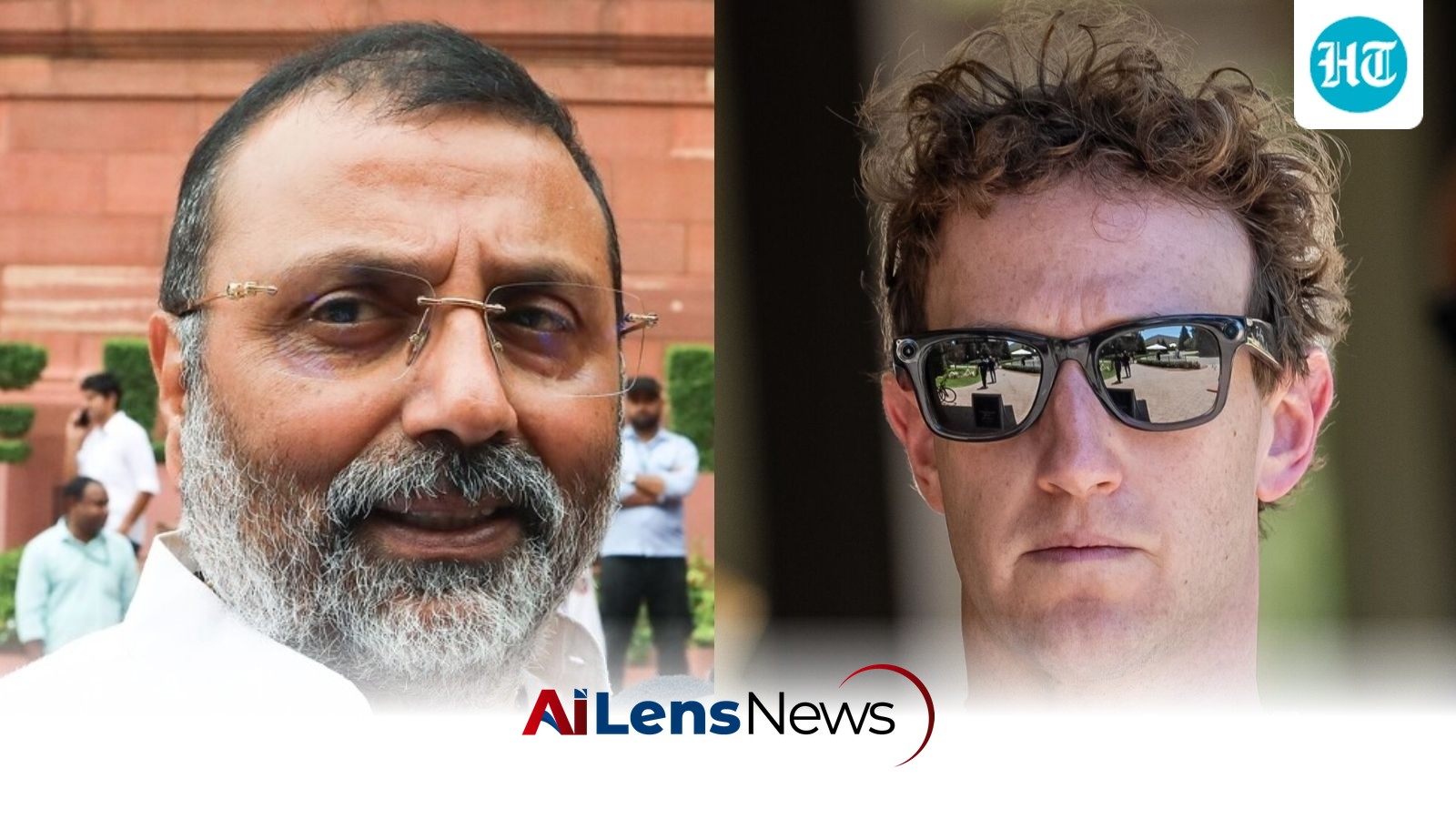



BJP MP Nishikant Dubey accuses Meta CEO Mark Zuckerberg of attempting to destabilize India following the removal of Prime Minister Modi's video on Facebook.
Chandigarh, India Aug 4, 2026 ALN: The recent demand for an apology from Meta CEO Mark Zuckerberg by BJP MP Nishikant Dubey has sparked significant discussion regarding content moderation practices on social media platforms, particularly in relation to political figures and government officials. This incident follows the brief removal of a video featuring Indian Prime Minister Narendra Modi from Facebook, which Dubey characterized as a serious issue that reflects a broader concern about the intentions of major tech companies like Meta.
Dubey, who serves as the chairman of the Parliamentary Standing Committee on Communications & IT, has positioned the removal of the Prime Minister's content as part of a troubling pattern of behavior by Meta. He emphasized that this was not an isolated incident, referencing a prior statement made by Zuckerberg in January regarding the potential impact of misinformation on elections. In that statement, Zuckerberg had noted that governments worldwide, including India, faced challenges in maintaining public trust following the COVID-19 pandemic. This admission, according to Dubey, indicated a bias that could undermine the stability of the Indian government and its electoral processes.
The Parliamentary Standing Committee's meeting with representatives from Meta, as well as other social media platforms such as Snapchat, Google, X, and YouTube, aimed to address concerns regarding content moderation practices and the perceived lack of accountability from these tech giants. Dubey's assertion that Zuckerberg should personally apologize highlights a growing frustration among Indian lawmakers regarding the influence of foreign technology companies on domestic political discourse. The call for an apology also raises questions about the responsibilities of social media platforms in moderating content related to political figures, especially in the context of elections.
During the meeting, Dubey expressed dissatisfaction with Meta's algorithm, which he claims favors non-registered parties or NGOs over established political parties in terms of viewership. He pointed out that while registered political parties collectively had a viewership of around 23 million, non-registered entities garnered approximately 27 million views. This discrepancy has led to concerns about the fairness and transparency of the algorithms used by social media platforms, which can significantly influence public opinion and the political landscape.
Furthermore, Dubey raised alarms about the presence of child sexual abuse material (CSAM) on Meta's platforms, claiming that the company has not taken adequate action to remove such content. This allegation reflects broader societal concerns about online safety, particularly for vulnerable populations such as children and women. The issue of CSAM has garnered increasing attention from governments and advocacy groups worldwide, leading to calls for stricter regulations and enforcement measures for tech companies.
In light of these issues, Dubey has suggested that the safe harbor protections afforded to companies like Meta under Section 79 of the Information Technology Act should be reconsidered. Safe harbor provisions protect intermediaries from liability for user-generated content, provided they comply with certain guidelines. However, Dubey's remarks imply that these protections may be misused by companies that fail to adequately address harmful content on their platforms. The debate surrounding safe harbor provisions is not unique to India; it is a global conversation as lawmakers and regulators grapple with the responsibilities of tech companies in the digital age.
The implications of Dubey's statements extend beyond the immediate context of the meeting with Meta. They reflect a growing sentiment among Indian lawmakers that foreign tech companies must be held accountable for their role in shaping political discourse and public opinion. As social media continues to play a pivotal role in elections and governance, the relationship between technology companies and governments is likely to come under increasing scrutiny. This scrutiny is not only limited to content moderation but also encompasses data privacy, user rights, and the ethical implications of algorithmic bias.
Moreover, the incident underscores the complexities of regulating content on global platforms that operate across diverse political and cultural landscapes. Different countries have varying standards for acceptable content, and the challenge lies in balancing free speech with the need to protect citizens from misinformation and harmful material. For instance, while some nations may prioritize freedom of expression, others may emphasize the need for national security or public order, leading to conflicting regulatory approaches.
The demand for Zuckerberg's apology also raises broader questions about the accountability of tech leaders in the face of criticism. As social media platforms become essential tools for political engagement, the expectations for transparency and responsiveness from these companies are likely to grow. Lawmakers may increasingly seek to establish regulations that ensure social media platforms operate in a manner that is consistent with the values and norms of the societies they serve. This may involve creating more robust frameworks for content moderation, enhancing user rights, and establishing clearer guidelines for the responsibilities of tech companies.
In conclusion, the call for an apology from Zuckerberg following the removal of PM Modi's video is emblematic of larger tensions between governments and tech companies regarding content moderation, accountability, and the influence of social media on political processes. As these discussions continue, it will be crucial for all stakeholders to engage in constructive dialogue to address the challenges posed by the evolving digital landscape while safeguarding democratic principles and public trust. The ongoing evolution of technology and its intersection with political discourse will likely require adaptive regulatory approaches that can respond to emerging challenges while fostering innovation and protecting the rights of individuals in the digital sphere.
To learn more about the latest developments in Political Controversies, stay updated with our exclusive reports and analyses on AILensNews.

