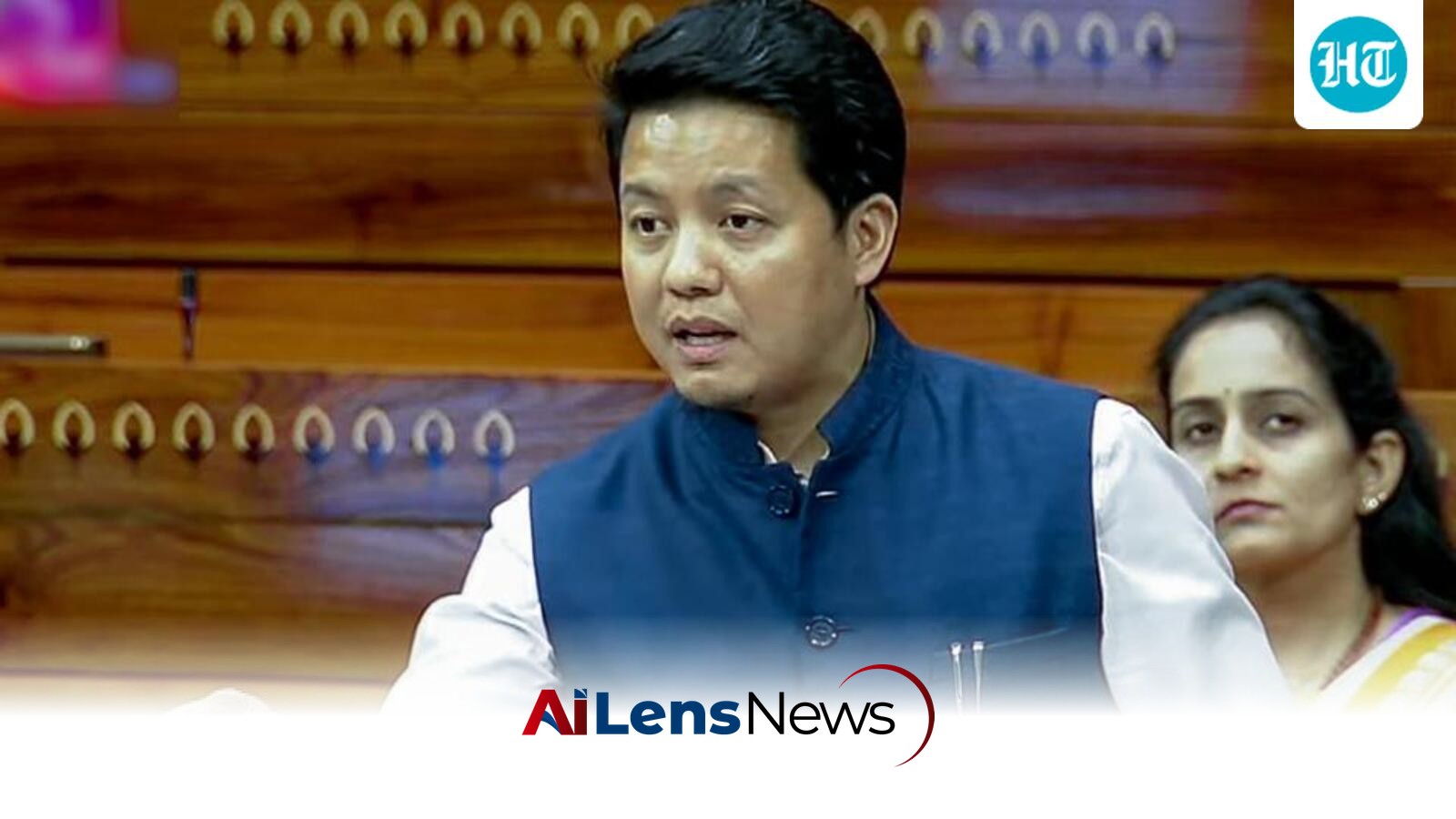


Indra Hang Subba of SKM emphasizes the need for reform in India's examination system, viewing student protests as a significant wake-up call for lawmakers.
Chandigarh, India Jul 30, 2026 ALN: The recent debates in the Lok Sabha regarding student protests and examination irregularities have highlighted a critical issue facing India's education system. The protests, which erupted in response to allegations of paper leaks and other malpractices in public examinations, have been characterized by some lawmakers as a significant call to action. As India continues to grapple with the integrity of its examination processes, the discussions surrounding the Public Examination (Prevention of Unfair Means) Amendment Bill have taken center stage.
Indra Hang Subba, a leader from the Sikkim Krantikari Morcha (SKM) and a two-term Member of Parliament (MP), defended the student protests during the Lok Sabha debate. He emphasized that the demonstrations should not be viewed negatively but rather as a necessary wake-up call for lawmakers and government officials. According to Subba, the protests reflect the growing frustration among students and aspirants who feel that the examination system is failing them. This sentiment is particularly poignant in a country where millions of students compete for limited opportunities in higher education and government jobs.
The Public Examination (Prevention of Unfair Means) Amendment Bill aims to address these concerns by imposing stricter penalties for examination fraud. The proposed legislation includes provisions for increasing the minimum jail term and fines for those found guilty of cheating or facilitating cheating in examinations. Additionally, it seeks to establish fast-track courts to ensure that cases related to examination fraud are resolved more swiftly, thus providing a quicker avenue for justice.
The backdrop to this legislative effort is a series of nationwide protests that were largely sparked by allegations of paper leaks in the National Eligibility cum Entrance Test for Undergraduate (NEET-UG) examinations. These protests have seen students from various states come together to demand accountability and transparency in the conduct of public examinations. The collective outcry has underscored a significant issue within the educational landscape of India: the perceived inequities that arise from examination fraud.
Subba's remarks during the debate shed light on the evolving nature of cheating in examinations. He pointed out that what may have once been considered isolated incidents of dishonesty have now transformed into organized crime, often involving financial transactions that disproportionately benefit wealthier candidates. This raises critical questions about fairness and equal opportunity in an educational system that is supposed to serve as a level playing field for all students, regardless of their socioeconomic background.
For many students from economically weaker sections, public examinations represent a vital opportunity to improve their circumstances and secure a better future. When examination fraud occurs, it not only undermines the integrity of the system but also jeopardizes the aspirations of hardworking students who rely on merit-based assessments to advance their careers. Subba poignantly remarked, "When paper leaks and unfair means allow one candidate to perform well while a hardworking student is left behind, not only does the system fail, but the future of the child is also compromised." This statement encapsulates the broader implications of examination fraud, which extend beyond individual cases to affect the societal fabric as a whole.
In addition to calling for stricter penalties and accountability, Subba advocated for time-bound investigations into allegations of examination fraud. He highlighted that prolonged probes often lead to delays in justice, further exacerbating the frustrations of students and their families. The need for timely resolution of such cases is critical, as it can restore faith in the examination system and ensure that justice is served to those affected by fraudulent practices.
Opposition MP Hanuman Beniwal, representing the Rashtriya Loktantrik Party (RLP), echoed the concerns raised by Subba regarding examination irregularities. Beniwal also emphasized the need for stronger provisions within the amendment bill, arguing that the current measures may not be sufficient to deter future incidents of cheating. His remarks reflect a growing consensus among lawmakers that more robust legislative action is necessary to address the challenges posed by examination fraud.
However, Beniwal expressed his dissatisfaction with the limited time he was allotted to speak during the debate, suggesting that those who have actively participated in the student protests deserved more opportunity to voice their concerns in Parliament. He remarked, "We did not go to Jantar Mantar merely to make reels. We fought this battle from the streets to Parliament," highlighting the role of youth-led movements in influencing legislative action. This sentiment underscores the power of grassroots activism in shaping policy discussions and driving governmental responses to pressing societal issues.
The implications of these discussions extend far beyond the immediate legislative agenda. The student protests and the subsequent response from lawmakers signal a growing recognition of the need for reform within India's examination system. As the nation continues to evolve, the voices of young people demanding accountability and transparency may play a crucial role in shaping the future of education in India.
Moreover, the ongoing dialogue surrounding examination integrity raises important questions about the broader educational framework in India. With millions of students vying for limited seats in prestigious institutions, the stakes are high, and any compromise in the examination process can have far-reaching consequences. Lawmakers will need to consider not only the legal ramifications of examination fraud but also the ethical implications of maintaining a fair and equitable educational system.
In conclusion, the current debates in the Lok Sabha regarding student protests and examination irregularities represent a critical juncture for India's education system. As lawmakers grapple with the challenges posed by examination fraud, the voices of students and activists must continue to be heard. The amendments proposed in the Public Examination (Prevention of Unfair Means) Amendment Bill, along with the ongoing discussions surrounding accountability and transparency, are steps toward addressing the systemic issues that have plagued the examination process. The path forward will require collaboration between lawmakers, educational institutions, and the student community to ensure that the examination system serves as a true reflection of merit and opportunity for all.
To learn more about the latest developments in Elections, stay updated with our exclusive reports and analyses on AiLensNews.

