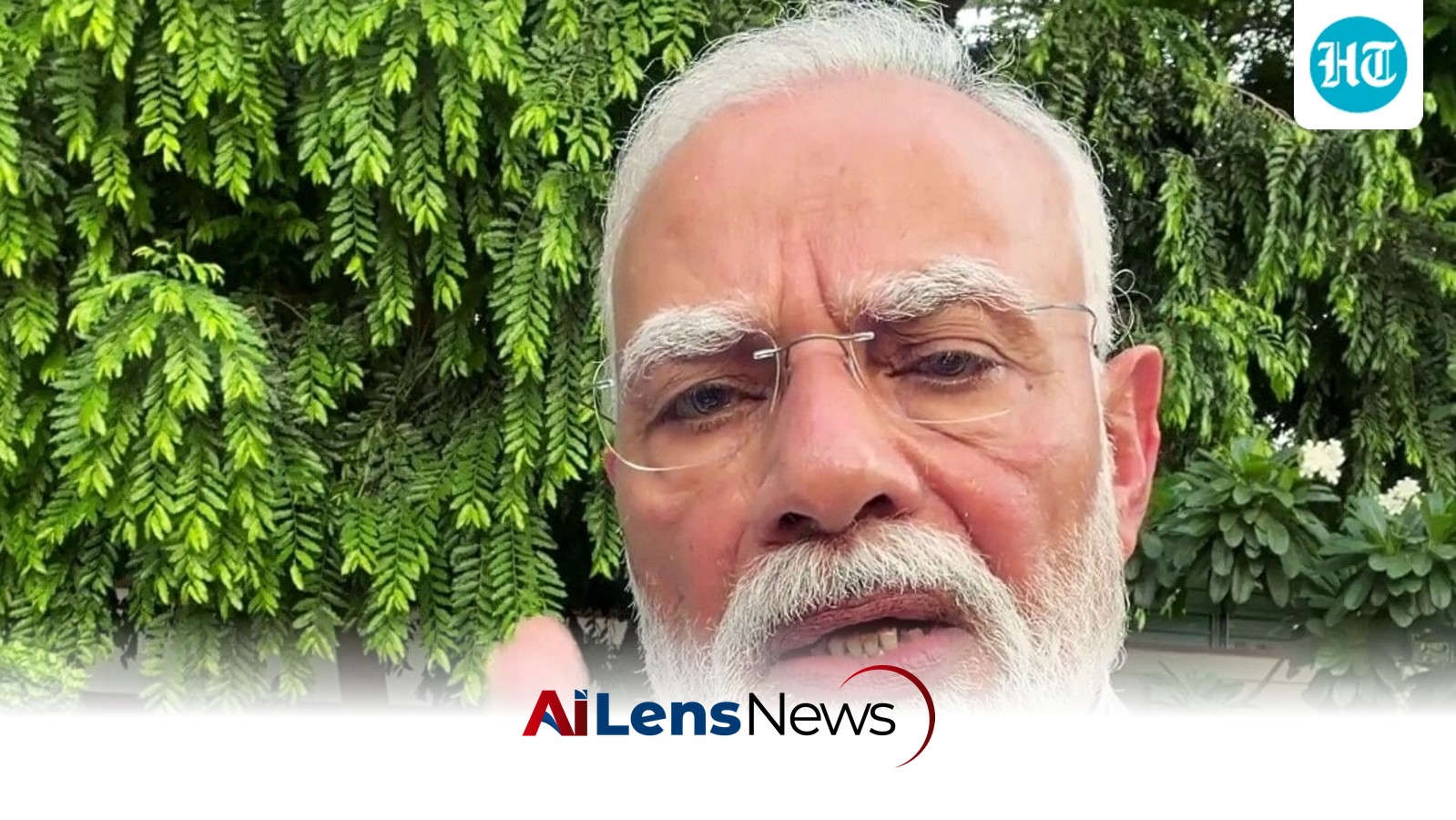


In a heartfelt video message, PM Modi urges society to guide misguided students instead of punishing them for their abusive language during protests.
Chandigarh, India Aug 1, 2026 ALN: Prime Minister Narendra Modi's recent comments regarding a controversial protest incident at Jantar Mantar have sparked significant public discourse. During a protest, a group of students reportedly used abusive language directed at him and his late mother, which has raised questions about the boundaries of political dissent and the role of youth in contemporary Indian society.
In his video message, Prime Minister Modi characterized the students involved as "misguided children," suggesting that they require guidance rather than punishment. This perspective reflects a broader theme in Modi's leadership style, which often emphasizes the importance of youth engagement and empowerment. By framing the students’ actions as a result of misguided intentions rather than outright malice, Modi seeks to foster a more constructive dialogue between the government and the younger generation.
Modi's call for forgiveness and understanding comes at a time when tensions between the government and various student groups have been heightened. Student protests in India have historically played a critical role in shaping political discourse, often serving as a platform for expressing dissent against government policies. The use of strong language, particularly in the context of political protests, raises important questions about freedom of expression and the limits of acceptable discourse in a democratic society.
In his remarks, Modi condemned the language used by the protesters, labeling it as inappropriate for a civilized society. This condemnation reflects a broader societal concern regarding the degradation of public discourse, particularly in the digital age where social media amplifies extreme viewpoints. The Prime Minister's appeal for reform over retribution resonates with many who believe that fostering understanding and dialogue is essential for a cohesive society.
Moreover, Modi's emphasis on guiding rather than punishing the students highlights a potential shift in how political leaders might approach dissent. Traditionally, there has been a tendency to respond to protests with legal action or punitive measures. However, Modi's approach suggests a desire to create a more inclusive political environment where young people feel heard and valued, even when their expressions of dissent are vehement.
In his message, Modi stated, "These are misguided children, and showing them the way is our duty; we will not be able to change circumstances by punishing them, making them run around the courts, or harassing them in society." This statement underscores the importance of mentorship and guidance in the development of young citizens. By inviting the students to learn from their mistakes and contribute positively to nation-building, Modi is reinforcing the idea that youth can play a pivotal role in shaping the future of the country.
The context of the protest and the subsequent Zero FIR registered against the students adds another layer of complexity to the situation. The FIR was lodged in response to the viral video of the protest, which has drawn widespread attention and criticism. The transfer of the FIR from Noida to Delhi reflects the legal complexities involved when protests occur in different jurisdictions, and the police's commitment to examining the contents of the FIR before proceeding with any legal action indicates a cautious approach to handling the matter.
This incident also raises important questions about the role of social media in modern protests. The viral nature of the video has amplified the students' actions beyond the immediate context of the protest, leading to national scrutiny and a polarized public response. In an age where digital platforms serve as both a megaphone for dissent and a tool for government accountability, the implications of such incidents can reverberate throughout society.
Furthermore, Modi's invitation for the students to contribute to nation-building reflects a broader governmental strategy aimed at engaging youth in the political process. With a significant portion of India's population being young, the government recognizes the importance of harnessing this demographic's energy and creativity for national development. By framing the students' actions as a potential catalyst for positive change, Modi is attempting to redirect the narrative from confrontation to collaboration.
As the situation unfolds, it will be crucial to observe how both the government and the student protesters navigate this incident. The Prime Minister's approach may set a precedent for future interactions between political leaders and dissenting voices, potentially paving the way for a more constructive engagement model. Conversely, the students' response to Modi's call for forgiveness and guidance will also be telling of their willingness to engage in dialogue and seek common ground.
In conclusion, Prime Minister Modi's call for forgiveness amid the controversial student protest video serves as a reminder of the complexities inherent in political dissent and the importance of nurturing a constructive dialogue between the government and its citizens. As India continues to grapple with issues of free speech, youth engagement, and political accountability, the outcomes of this incident may have lasting implications for the nation's democratic fabric.
To understand the broader context of this incident, it is essential to consider the historical backdrop of student activism in India. Student movements have played a pivotal role in various socio-political changes in the country, from the anti-emergency protests in the 1970s to the more recent protests against the Citizenship Amendment Act (CAA) and the National Register of Citizens (NRC). These movements have often been characterized by passionate expressions of dissent, reflecting the frustrations and aspirations of the youth regarding governance and societal issues.
In recent years, the political landscape in India has become increasingly polarized, with student protests becoming a focal point for broader ideological battles. The use of social media has transformed the dynamics of these protests, allowing for rapid mobilization and dissemination of information, but also leading to heightened scrutiny and backlash from various quarters. The viral video of the recent protest is a testament to how quickly public sentiment can shift in the digital age, amplifying voices that might otherwise remain unheard.
Moreover, the Prime Minister's remarks can also be seen as an attempt to mitigate the growing discontent among youth, particularly in the wake of economic challenges and employment issues that have plagued the country. By addressing the students directly and framing their actions as misguided rather than malicious, Modi may be seeking to bridge the gap between the government and the youth, who are often seen as disillusioned with the political establishment.
As India moves forward, the implications of this incident will likely extend beyond the immediate reactions of the students and the government. It may influence how future protests are perceived and addressed, as well as how political leaders engage with dissent. The balance between maintaining public order and respecting the right to free expression will continue to be a contentious issue, particularly as the youth of India assert their voices in the political arena.
In summary, the incident at Jantar Mantar serves as a microcosm of the larger tensions within Indian society regarding free speech, youth empowerment, and the role of government in addressing dissent. As Prime Minister Modi calls for forgiveness and guidance, the response from the students and the broader public will be crucial in shaping the future of political discourse in the country. The outcomes of this situation may not only impact the individuals involved but could also set a precedent for how dissent is navigated in India's evolving democratic landscape.
To learn more about the latest developments in Elections, stay updated with our exclusive reports and analyses on AiLensNews.

