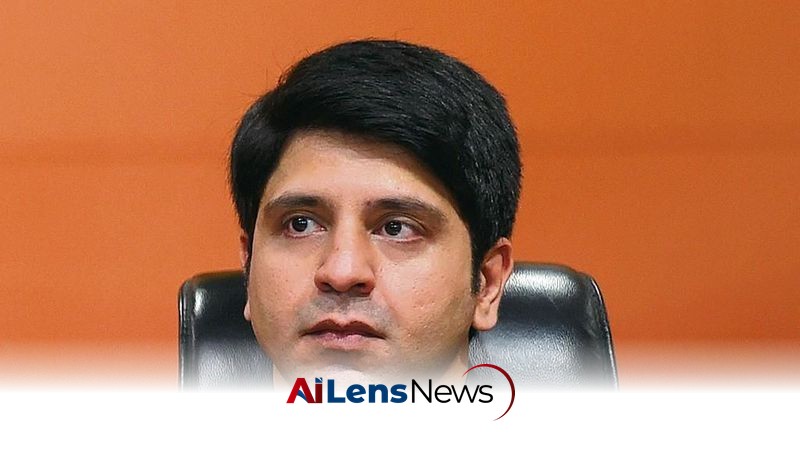


In a surprising move, BJP spokesperson Shehzad Poonawalla has resigned from the party, raising questions about his future and the party's internal dynamics.
New Delhi, India Jul 31, 2026 ALN: In a surprising development, BJP spokesperson Shehzad Poonawalla, known for his vocal defense of the party, has resigned. His departure has sent shockwaves through the political landscape, particularly given his prominent role in defending the party's policies and actions. Poonawalla's resignation raises several questions regarding the internal dynamics of the BJP and the reasons behind his decision. As a well-known figure within the party, his exit could signal potential shifts in party strategy or internal conflicts.
The BJP, or Bharatiya Janata Party, has been a dominant force in Indian politics since coming to power in 2014 under the leadership of Prime Minister Narendra Modi. The party has often been characterized by its strong organizational structure and loyalty among its ranks. However, Poonawalla's resignation may indicate cracks in this facade, suggesting that all is not well within the party's inner workings.
His resignation comes at a time when the BJP is facing various challenges, both politically and socially. The party has been under scrutiny for its handling of key issues such as economic management, social justice, and communal harmony. Poonawalla has been an outspoken advocate for the party, often engaging in public debates and defending its stance on controversial issues. His departure may raise concerns about the party's ability to effectively communicate its message and maintain its public image amid these challenges.
While the official statement regarding his resignation has yet to be released, political analysts are already speculating about the implications of his departure. Some suggest that it may reflect growing dissent within the party ranks, while others believe it could be a strategic move on Poonawalla's part. In recent years, the BJP has seen a number of high-profile exits, which have led to questions about the party's internal cohesion and the satisfaction levels of its members. This pattern of resignations could indicate a troubling trend that may affect the party's future.
Political analysts point out that Poonawalla's resignation is particularly noteworthy given his role as a spokesperson. Traditionally, spokespersons are seen as the voice of the party, responsible for articulating its positions and defending its policies. Poonawalla's departure could leave a significant gap in the party's communication strategy, especially as it prepares for upcoming elections. The BJP has historically relied on strong, articulate figures to convey its messages to the public, and losing someone of Poonawalla's stature may hinder its ability to effectively counter opposition narratives.
Furthermore, the timing of Poonawalla's resignation is also significant. It comes amid ongoing debates about the party's performance and its electoral prospects. With state elections approaching in various regions, the BJP is under pressure to present a unified front and demonstrate its effectiveness in governance. Poonawalla's exit could be interpreted as a sign of fragmentation within the party at a critical juncture, potentially undermining the party's electoral strategies.
As the political landscape continues to evolve, the impact of Poonawalla's resignation will likely be closely monitored by both supporters and critics of the BJP. Supporters may view his departure as a potential opportunity for reform within the party, while critics may see it as evidence of deeper issues that could undermine the BJP's electoral prospects. The reaction from party leadership in the wake of this resignation will be crucial in shaping the narrative surrounding the BJP's stability and future direction.
This unexpected turn of events adds another layer of complexity to the ongoing political narrative in India, and it remains to be seen how the BJP will respond to this significant change. The party is known for its resilience and ability to adapt to changing circumstances, but the loss of a prominent spokesperson like Poonawalla could challenge its strategic planning. The party's leadership will need to assess the implications of this resignation carefully and consider how to fill the void left by Poonawalla.
Moreover, Poonawalla's resignation may also have implications beyond the BJP. His departure could embolden dissenters within the party, encouraging others to voice their concerns or consider leaving. This could lead to a more significant realignment within the party, potentially affecting its overall stability and unity. If other prominent figures follow suit, it may signal a broader discontent that could reshape the party's future.
In the broader context, Poonawalla's resignation might also reflect changing dynamics within Indian politics. The BJP has faced increasing competition from opposition parties, which have been gaining ground in various states. As voters become more discerning and demand accountability from their leaders, the party may need to reassess its strategies to maintain its dominance. Poonawalla's exit could serve as a wake-up call for party leadership to address internal grievances and strengthen party cohesion.
Additionally, Poonawalla's resignation could impact the party's engagement with its base. As a vocal defender of the BJP, his departure may lead to a loss of confidence among supporters, particularly those who admired his commitment to the party's ideals. The BJP has built its brand around strong leadership and unwavering loyalty, and any perceived weakness could lead to disillusionment among its core supporters. This could have significant ramifications for the party's grassroots mobilization efforts, especially in light of upcoming elections.
As political observers analyze the implications of Poonawalla's resignation, it will be essential to monitor how the BJP navigates this challenge. The party's response will likely be critical in shaping its future trajectory and electoral prospects. Whether the BJP can rally its members and present a united front in the face of internal dissent will be a key factor in determining its success in upcoming elections.
In conclusion, Shehzad Poonawalla's resignation from the BJP marks a significant moment in Indian politics. It raises important questions about the internal dynamics of the party, the state of its leadership, and its ability to address the challenges it faces. As the political landscape continues to shift, the ramifications of this development will be closely watched by analysts, party members, and the electorate alike. The BJP's ability to respond effectively to this unexpected resignation will play a crucial role in shaping its narrative and influence in the coming months, as it prepares for a challenging electoral battle ahead.
To learn more about the latest developments in Political Controversies, stay updated with our exclusive reports and analyses on AiLensNews.

