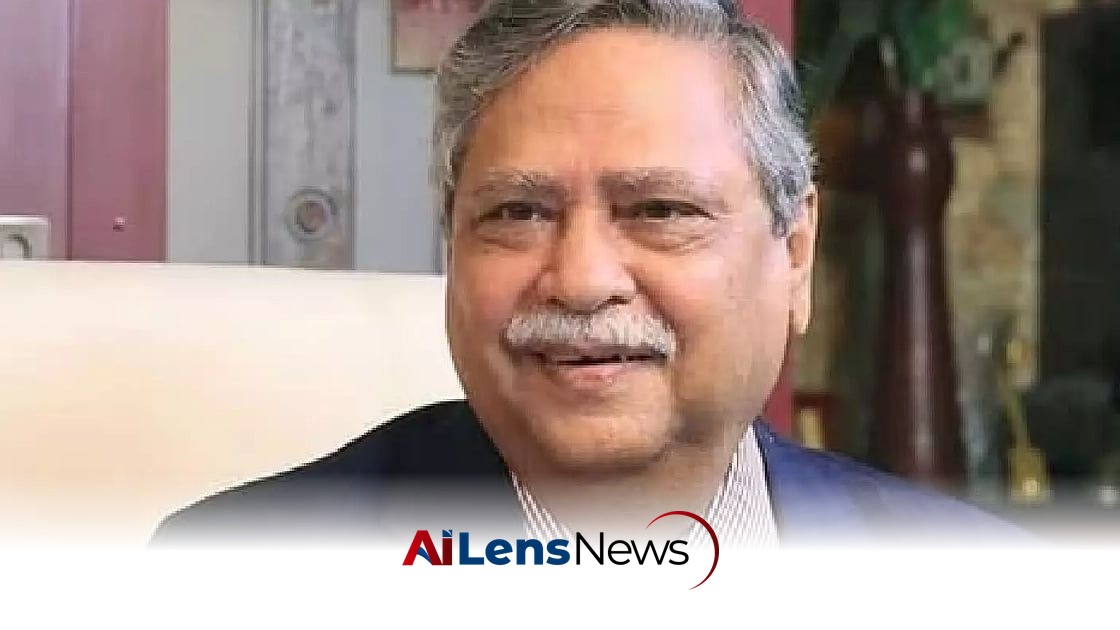


Bangladesh President Mohammed Shahabuddin has resigned two years before the end of his term, citing health issues. His departure raises questions about the current government's stability.
New Delhi, India Jul 24, 2026 ALN: Bangladesh President Mohammed Shahabuddin, a former ally of deposed prime minister Sheikh Hasina, resigned on Friday, two years ahead of the end of his tenure. This unexpected decision has sparked discussions about the current political landscape in Bangladesh, as well as the implications of his resignation for the future of the presidency and the government.
Shahabuddin, 76, cited health complications as the primary reason for his resignation. "I am suffering from various health complications,” he was quoted as saying by The Daily Star newspaper. His health issues have reportedly been a concern for some time, but the timing of his resignation raises questions about the broader political environment in the country. The president's health has been a topic of speculation, particularly in light of the demanding nature of the presidency and the pressures associated with leading a nation facing significant political challenges.
A spokesman for the Bangabhaban, the president's official residence, confirmed that Shahabuddin’s representatives had left his office for the parliament carrying his resignation letter. The letter is to be submitted to parliamentary Speaker Hafizuddin Ahmed, who will serve as Acting President in accordance with the Bangladesh Constitution until a new President is elected. The process of electing a new president could be pivotal in shaping the future of Bangladesh's political landscape, particularly as the nation grapples with its recent tumultuous history.
The resignation comes amid speculations that Prime Minister Tarique Rahman’s government was uncomfortable with Shahabuddin, who, despite being a largely ceremonial figure, has been seen as a potential obstacle to the current administration. Media reports suggest that the relationship between the President and the Prime Minister's office had grown increasingly strained, which may have influenced Shahabuddin's decision to step down. This tension is indicative of the broader political struggles within the country, where alliances can shift rapidly and the balance of power is often precarious.
Shahabuddin's political career is notable, having been a veteran of the 1971 Liberation War and a former lower judiciary judge. He was elected to the presidency in April 2023, taking the oath of office for a five-year term. His election followed a tumultuous period in Bangladesh's political history, marked by significant unrest and protests. Shahabuddin is unique in that he is the only person still holding a constitutional position from a time when the Awami League, led by Sheikh Hasina, was in power. His presidency was seen as a stabilizing force during a time of transition, but his resignation now raises questions about continuity and governance.
The political situation in Bangladesh has been volatile since the violent student-led street protests in July-August 2024, which ultimately led to the toppling of Hasina's government. Following these events, Hasina fled to India and has been living there since August 5, 2024. Her departure marked a significant shift in the political dynamics of the country, leading to the rise of new leadership under Prime Minister Tarique Rahman, who is the son of the former Prime Minister Khaleda Zia. This change in leadership has created a complex political landscape, with competing factions and ideologies vying for influence.
The implications of Shahabuddin's resignation are manifold. Firstly, it raises questions about the stability of the current government and whether it can maintain control in the face of ongoing dissatisfaction among the populace. The resignation of a president, especially under such circumstances, can trigger a power vacuum, leading to potential instability and unrest. The current administration must navigate these challenges carefully, as public sentiment remains a critical factor in maintaining authority.
Secondly, the process of electing a new president will be closely watched, both domestically and internationally. The new president will play a crucial role in shaping the political landscape and may influence the direction of governance in Bangladesh. The selection of a successor could either reinforce the current government's position or signal a shift in power dynamics, depending on who is chosen and how they interact with the Prime Minister's office. The stakes are high, as the new president's stance on key issues such as governance, rule of law, and human rights will likely define the administration's legacy.
Furthermore, Shahabuddin's resignation may also impact the relationship between the executive branch and the judiciary, given his background as a former judge. The new president could either strengthen ties with the judiciary or create tensions, particularly if the government seeks to exert influence over judicial appointments or decisions. This relationship is critical in a country where the independence of the judiciary has often been called into question, and any perceived interference could exacerbate public discontent.
The international community will also be watching the developments in Bangladesh closely. The country has faced criticism for its handling of dissent and political opposition, particularly during the protests that led to Hasina's ousting. The new leadership will be under pressure to demonstrate a commitment to democratic principles and human rights, particularly if it seeks to improve relations with Western nations and international organizations. The global response to Bangladesh's political evolution will be shaped by how the new government addresses these concerns and whether it can restore faith in its democratic processes.
In conclusion, President Mohammed Shahabuddin's resignation amid health concerns not only marks a significant moment in Bangladesh's political history but also opens the door to a range of possibilities for the future governance of the country. As the nation awaits the appointment of a new president, the implications of this transition will be felt across the political spectrum, influencing both domestic policies and international relations. The coming weeks and months will be crucial in determining the trajectory of Bangladesh's governance and the potential for stability in a country that has seen its share of political upheaval.
To learn more about the latest developments in Political Controversies, stay updated with our exclusive reports and analyses on AiLensNews.

