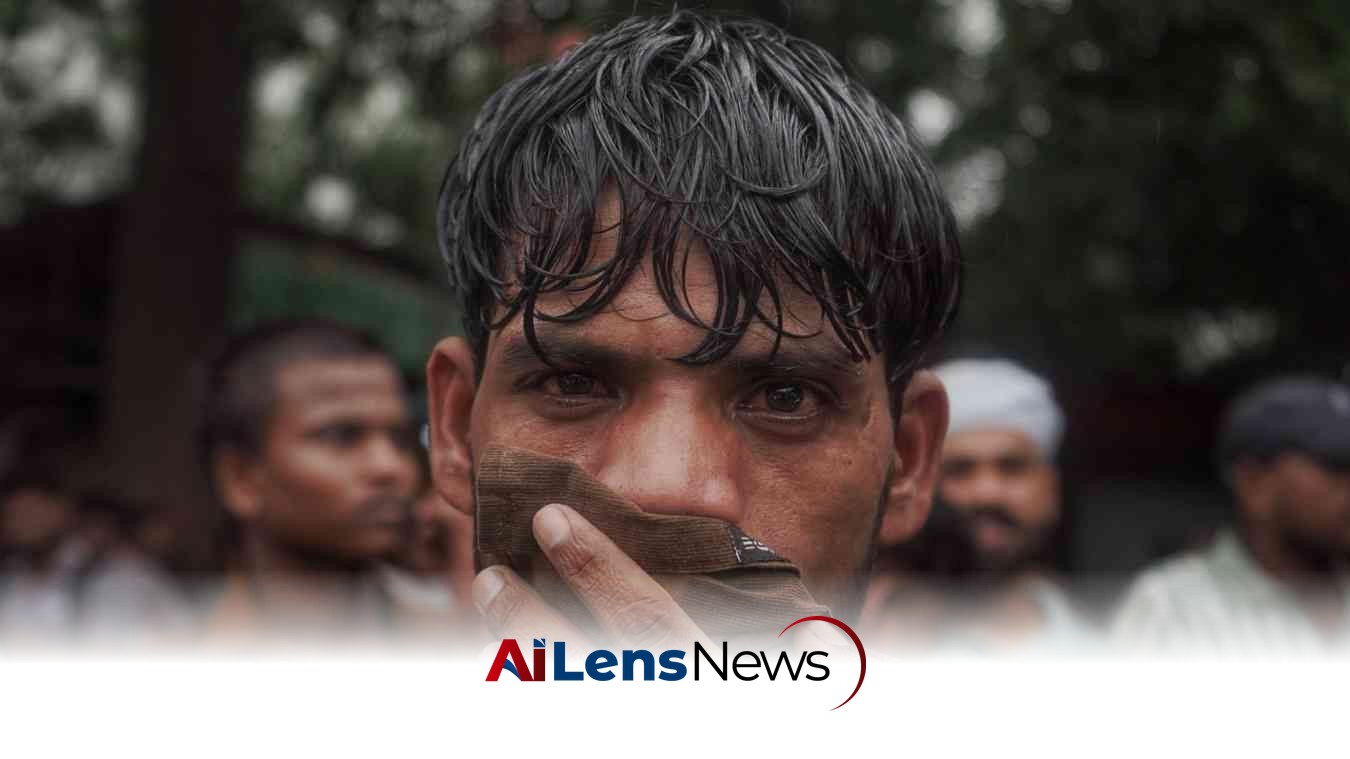


Protests in Delhi have surged as young demonstrators express their anger towards Prime Minister Modi, highlighting issues of governance and democracy.
New Delhi, India Jul 21, 2026 ALN: The recent protests in New Delhi, particularly at Jantar Mantar, have highlighted a growing wave of dissent among the youth against the government led by Prime Minister Narendra Modi. The rally, which began in response to the removal of educator-activist Sonam Wangchuk from a hunger strike, has morphed into a larger expression of frustration against the Modi administration, with thousands of young people taking to the streets to voice their concerns.
At the heart of the protest was Wangchuk, a prominent figure known for his advocacy in the education sector. His hunger strike, initiated on June 28, was aimed at demanding the resignation of Union Education Minister Dharmendra Pradhan, who has faced criticism for his management of competitive examinations. Wangchuk’s removal from the protest site, forcibly conducted by the police, served as a catalyst for many young people, including Sree, a 23-year-old master’s student from the Indian Institute of Technology in Delhi, to join the demonstration. The aggressive tactics employed by the police, including blocking media coverage, sparked outrage and drew more participants to the rally.
As the protests escalated, the focus shifted from merely demanding Pradhan's resignation to targeting Modi himself. Protesters chanted slogans that accused the Prime Minister of hiding behind police forces and criticized his governance style as dictatorial. The atmosphere at Jantar Mantar was charged with energy, as young individuals expressed their discontent with the current political climate, marking a significant moment in the ongoing discourse around governance and civil rights in India.
The slogans and chants echoed sentiments that have been building over the years, particularly among the youth who feel increasingly disillusioned with the ruling party's policies. Posters and graffiti displayed at the protest criticized Modi's leadership, with phrases like "Vote chor Modi" (Vote thief Modi) and accusations of compromising the future of students. This level of open criticism from a diverse group of participants, including many who identify as Hindu, signifies a shift in the political landscape, where anger against Modi is no longer confined to specific communities historically targeted by the ruling party.
The protests also drew parallels to previous movements in India, such as the protests against the Citizenship Amendment Act (CAA) and the farmers' protests against agricultural laws. However, those movements were characterized by their specific community-led narratives, while the current protests seem to transcend religious and ethnic lines, uniting a broader demographic under a common cause against perceived authoritarianism. This broad coalition of dissent reflects a significant evolution in the political engagement of young Indians, who are increasingly willing to challenge the status quo.
In recent years, Modi's government has been adept at deflecting criticism by attributing failures to local administrations or lower-level officials, which has often diffused public anger. However, the protests at Jantar Mantar indicate a breaking point where young people are directly holding Modi accountable for their grievances. This shift could have significant implications for the political landscape in India, especially as the country approaches the next general elections, where the youth vote could play a crucial role in determining the outcome.
Many protesters articulated a desire to reclaim democracy and resist what they perceive as a slide into authoritarianism. Fauzia, a 26-year-old participant, expressed her frustration with the treatment of protesters by the police, comparing it to colonial rule. Her comments reflect a broader sentiment among the youth who feel that their rights and voices are being suppressed. The reference to colonial subjects evokes a historical context that resonates deeply in India, where the struggle for independence from British rule remains a pivotal part of the national consciousness. This historical lens adds depth to the current protests, as many young people draw parallels between past struggles for freedom and their present fight for democratic rights.
The protests also highlighted the role of social media and grassroots organizations like the Cockroach Janta Party, which have been instrumental in mobilizing young people. The rapid dissemination of information and calls to action through social platforms have allowed for a swift gathering of support, demonstrating the power of digital communication in contemporary activism. This has enabled a diverse group of individuals to come together, united by a common discontent with the current state of governance. Social media has not only facilitated the organization of protests but also helped in amplifying the voices of those who feel marginalized in the political discourse.
As the protests unfolded, the presence of college students, many of whom had initially hesitated to join the movement, underscored the impact of recent events on their perceptions of political engagement. The fear of government reprisal was palpable among some participants, yet there was also a strong resolve to stand up against perceived injustices. This duality of fear and courage is emblematic of a generation grappling with the complexities of activism in a politically charged environment. Students who once felt apathetic are now finding their voices, driven by a sense of urgency to advocate for change.
The implications of these protests extend beyond immediate demands for policy changes. They represent a growing consciousness among young people regarding their role in shaping the future of the country. As they assert their voices in the face of governmental authority, they are also challenging the status quo and redefining what it means to be an engaged citizen in India. The protests at Jantar Mantar may well be a harbinger of a more active and politically aware youth, ready to confront the challenges posed by the current administration. This awakening among young voters could signal a shift in electoral dynamics, compelling political parties to address youth concerns more seriously.
In conclusion, the rallies in New Delhi reflect a significant moment in Indian politics, where young voices are rising against the Modi government. The combination of grassroots mobilization, social media engagement, and a collective sense of urgency among the youth could signal a transformative period in the country's democratic landscape. As the protests continue, the government will need to navigate this rising tide of dissent, as the implications of ignoring such a substantial segment of the population could reverberate through the political sphere in the coming years. The Modi administration's response to these protests will likely shape its legacy and influence the trajectory of Indian democracy for years to come. The youth's engagement in this political discourse may lead to a re-evaluation of policies and priorities, potentially paving the way for a new era of governance that is more responsive to the needs and aspirations of the younger generation.
To learn more about the latest developments in Political Controversies, stay updated with our exclusive reports and analyses on AiLensNews.

