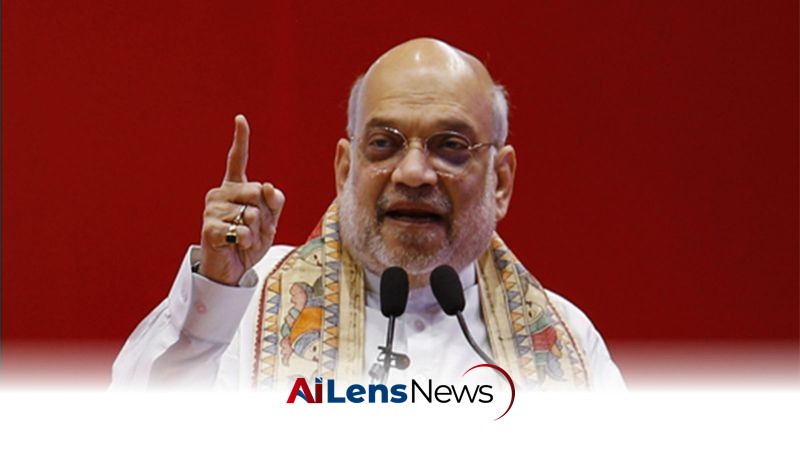


The monsoon session of Parliament faces disruption as Amit Shah offers to debate student protests, while Rahul Gandhi dismisses the idea, signaling ongoing tensions.
New Delhi, India Aug 13, 2026 ALN: The ongoing monsoon session of Parliament is currently facing significant challenges, with the likelihood of a complete washout looming large. This situation has arisen as the government and the Opposition struggle to find common ground on a range of pressing issues. Home Minister Amit Shah has notably expressed his willingness to engage in a debate concerning the recent student protests, effectively placing the onus on rival parties to respond to his invitation. This development is significant as it highlights the growing tensions within Parliament and the broader implications of student activism on political discourse.
The student protests, which have become a focal point of contention, are not merely isolated incidents but are indicative of deeper concerns regarding educational policies in India. These protests often stem from dissatisfaction with various aspects of the education system, including issues related to quality, accessibility, and affordability of education. In recent years, students have increasingly mobilized to voice their concerns on these issues, reflecting a generational shift in political engagement and activism among youth. The government's approach to these protests, and the subsequent reactions from political parties, are vital in shaping the narrative surrounding education and youth engagement in governance.
Historically, student movements in India have played a pivotal role in shaping political landscapes. From the anti-Emergency protests in the 1970s to the more recent mobilizations against the Citizenship Amendment Act (CAA) and the National Register of Citizens (NRC), students have often been at the forefront of social and political change. This trend underscores the importance of student voices in the democratic process and raises questions about how effectively those voices are being heard by policymakers. The current wave of protests can thus be seen as part of a larger continuum of youth activism in India, which has consistently sought to challenge the status quo and advocate for reform.
Amit Shah's invitation for a debate comes at a time when discussions in Parliament have been marred by severe disagreements over multiple issues, including economic policies, social justice, and governance. The inability of both the ruling party and the Opposition to reach a consensus has led to a series of disruptions, with each side accusing the other of obstructing legislative progress. This impasse has significant implications for the functioning of Parliament, as critical bills and policies await deliberation. The ongoing stalemate emphasizes the challenges of governance in a diverse and complex political landscape, where differing ideologies and priorities often clash.
In stark contrast to Shah's open invitation for dialogue, Congress leader Rahul Gandhi has publicly dismissed the notion of engaging in what he termed "lectures" from the government. This dismissal not only complicates the dialogue but also underscores the ongoing friction between the ruling party and the Opposition. The lack of willingness from key opposition figures to engage constructively raises questions about the effectiveness of parliamentary democracy and the role of opposition parties in holding the government accountable. Such dynamics can lead to a further erosion of trust in political institutions and a sense of disenfranchisement among the electorate.
The lack of consensus on critical issues is further compounded by the broader political context in India, where public sentiment often plays a pivotal role in shaping legislative priorities. The Opposition has been vocal in its criticism of the government's handling of student issues, arguing that the administration has failed to address the genuine concerns of the youth. Conversely, the government maintains that it is open to discussions but insists that a constructive approach from the Opposition is necessary for meaningful dialogue to occur. This tug-of-war not only reflects the partisan nature of Indian politics but also highlights the challenges faced by lawmakers in addressing the needs and aspirations of a diverse population.
As the monsoon session progresses, the question remains whether Shah's offer for a debate will be embraced by the Opposition or if the current impasse will persist, leading to further disruptions in the functioning of Parliament. The outcome of this situation could have significant implications for both the government and the Opposition as they navigate the complexities of public sentiment and legislative responsibilities. Should the Opposition choose to engage in a debate, it could potentially lead to a more constructive dialogue on student issues, paving the way for policy reforms that address the concerns raised by the protesters.
Moreover, the implications of these protests extend beyond the immediate political landscape. The increasing engagement of students in political discourse signals a shift in how younger generations perceive their role in governance and civic responsibility. As these protests gain momentum, they may inspire a broader movement for reform, influencing not only educational policies but also other areas of governance, such as employment opportunities and social justice initiatives. The government's response to these protests and the subsequent dialogue with the Opposition will be crucial in determining how effectively it can address the aspirations of the youth.
In recent years, the intersection of technology and activism has further empowered students, enabling them to organize and mobilize more effectively than ever before. Social media platforms have become essential tools for disseminating information, rallying support, and amplifying voices that may have otherwise gone unheard. This digital dimension of activism not only enhances the visibility of student concerns but also connects them with broader movements for change, both within India and globally.
In summary, the monsoon session of Parliament is at a critical juncture, with student protests at the forefront of political discourse. The willingness of leaders to engage in meaningful dialogue will be crucial in determining the future trajectory of both parliamentary proceedings and public engagement in political issues. The current stalemate presents an opportunity for both the government and the Opposition to reassess their strategies and prioritize constructive engagement over partisan conflict. Ultimately, how these dynamics unfold will not only impact legislative outcomes but also shape the broader narrative around youth activism and political accountability in India.
As the session unfolds, observers will be keenly watching how the government and opposition navigate these challenges. The potential for a constructive dialogue on student issues could serve as a litmus test for the current political climate and the ability of different factions within the government and opposition to work collaboratively for the greater good. The stakes are high, as the outcomes of these discussions could resonate far beyond the walls of Parliament, influencing future generations and shaping the landscape of Indian democracy for years to come.
To learn more about the latest developments in Elections, stay updated with our exclusive reports and analyses on AiLensNews.

