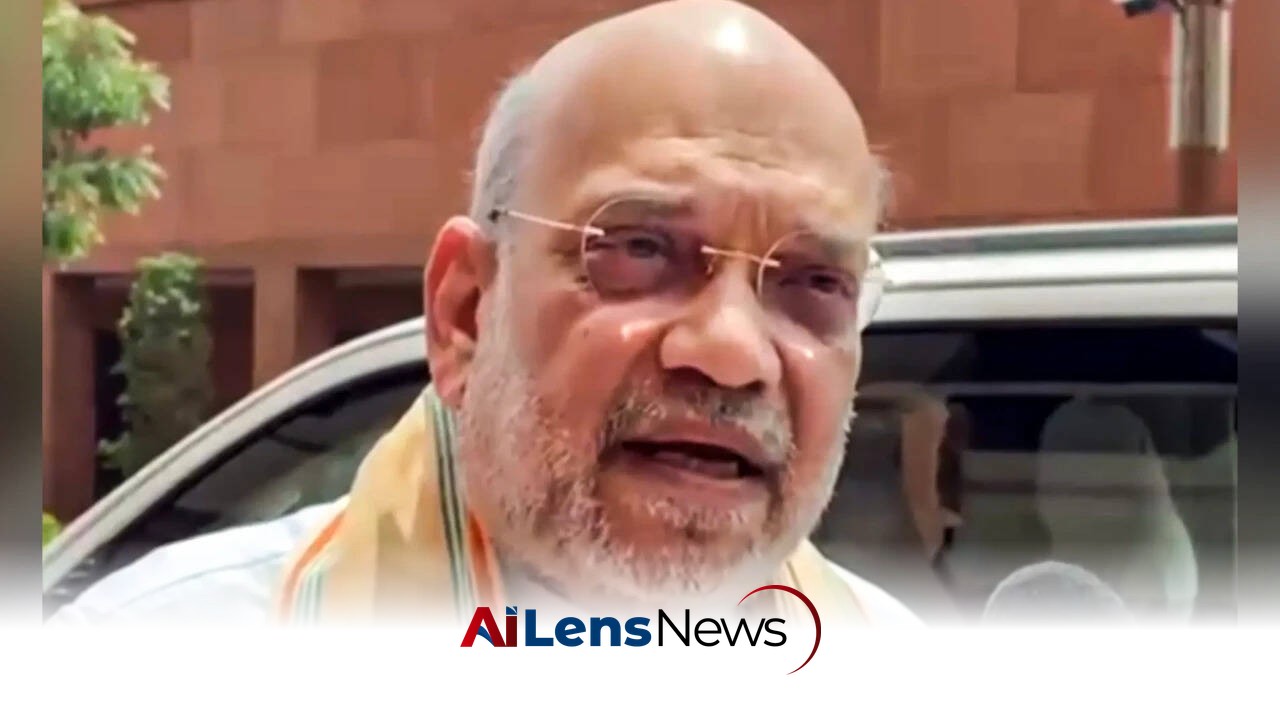


Home Minister Amit Shah invites the opposition for a debate on police actions during the NEET protests, asserting transparency and readiness for discussion.
New Delhi, India Aug 13, 2026 ALN: Home Minister Amit Shah has issued a bold challenge to the opposition, inviting them to engage in a comprehensive debate regarding police actions during the anti-NEET protests that took place in Delhi on July 20. Shah emphasized his willingness to participate in a 24-hour-long debate in Parliament, stating that he is prepared to address any questions or concerns raised by the opposition.
During a press interaction, Shah remarked, "I am ready for a debate at an hour's notice. The government has nothing to hide regarding the police's actions during the protests. It is time for the opposition to engage in a serious discussion rather than making baseless accusations against the government." His comments come in response to criticisms from opposition parties, who have alleged excessive use of force by the police against protesting students.
The protests against the National Eligibility cum Entrance Test (NEET) saw significant unrest, with students voicing their concerns over various issues related to the examination process. NEET is a highly competitive exam in that determines admission into medical colleges across the country. The examination has faced criticism for various reasons, including its perceived difficulty, the pressure it places on students, and allegations of inequity in access to resources needed to prepare for the test.
The protests were sparked by multiple grievances, including demands for a more transparent examination process, calls for the cancellation of the NEET exam due to alleged irregularities, and concerns over the impact of the exam on students from different socio-economic backgrounds. Students argued that the current system disproportionately disadvantages those from less privileged backgrounds, who may not have access to the same level of coaching and preparation as their wealthier counterparts. As a result, the protests attracted a diverse group of students, all united in their call for reform.
The situation escalated, leading to police intervention, which has since been a point of contention between the government and opposition parties. Reports indicated that the police used tear gas and batons to disperse crowds, resulting in injuries among protesters. Videos circulating on social media showed chaotic scenes, with students being pushed back by police barricades and some being taken into custody. This heavy-handed response has drawn criticism from various quarters, including human rights organizations and student unions.
Shah reiterated that the government stands firm on its actions during the protests, asserting that the police were acting within their rights to maintain order. He stated, "The opposition has used this incident to attack the government, but we are confident in our approach and the measures taken by law enforcement. We are open to scrutiny and discussion on this matter." This statement reflects the government’s broader narrative that it is committed to maintaining law and order while also being responsive to the concerns of citizens.
Additionally, the government has pointed to the need for a stable examination process that can uphold academic standards and ensure that only the most qualified candidates are admitted to medical programs. Shah's comments indicate that the government views the protests as politically motivated, suggesting that opposition parties are leveraging student unrest to undermine the ruling party's credibility.
In response to Shah's challenge, opposition leaders have expressed skepticism about the government's willingness to engage in a genuine debate. They argue that the government has consistently avoided accountability on various issues, including police conduct during protests. Leaders from various opposition parties have called for an independent inquiry into the police's actions during the NEET protests, emphasizing the need for transparency and justice for the affected students.
Opposition spokespersons have also highlighted the broader implications of the government's approach to dissent and protest. They argue that the heavy-handed tactics used by law enforcement reflect a troubling trend of suppressing voices of dissent, particularly among young people. This sentiment resonates with many citizens who are increasingly concerned about civil liberties and the right to protest in a democratic society. The opposition's stance is that the government should be held accountable for its actions and that a parliamentary debate could serve as a platform for addressing these critical issues.
As the political landscape heats up, the potential for a lengthy debate in Parliament remains uncertain. However, Shah's invitation for discussion reflects a broader strategy to address public concerns and counter opposition narratives. The coming days may see intensified discussions as both sides prepare for the parliamentary session. The opposition is likely to mobilize support from various student groups and civil society organizations, which could lead to increased pressure on the government to respond to the allegations of police brutality.
Moreover, the NEET protests have brought to the forefront discussions about the education system in , particularly regarding access and equity. As the government and opposition prepare for potential debates, there is an opportunity for a more comprehensive discussion about the future of educational assessments in the country. This could include exploring alternative methods of evaluation that might alleviate some of the pressures associated with high-stakes exams like NEET.
In conclusion, Amit Shah's challenge to the opposition highlights the ongoing tensions surrounding police actions during the NEET protests and sets the stage for potential debates in Parliament. The government aims to clarify its position while the opposition seeks to hold it accountable for its actions. As the discourse evolves, it will be essential for all parties involved to engage constructively, considering the implications of their actions on the broader public and the future of student activism in .
To learn more about the latest developments in Political Controversies, stay updated with our exclusive reports and analyses on AiLensNews.

