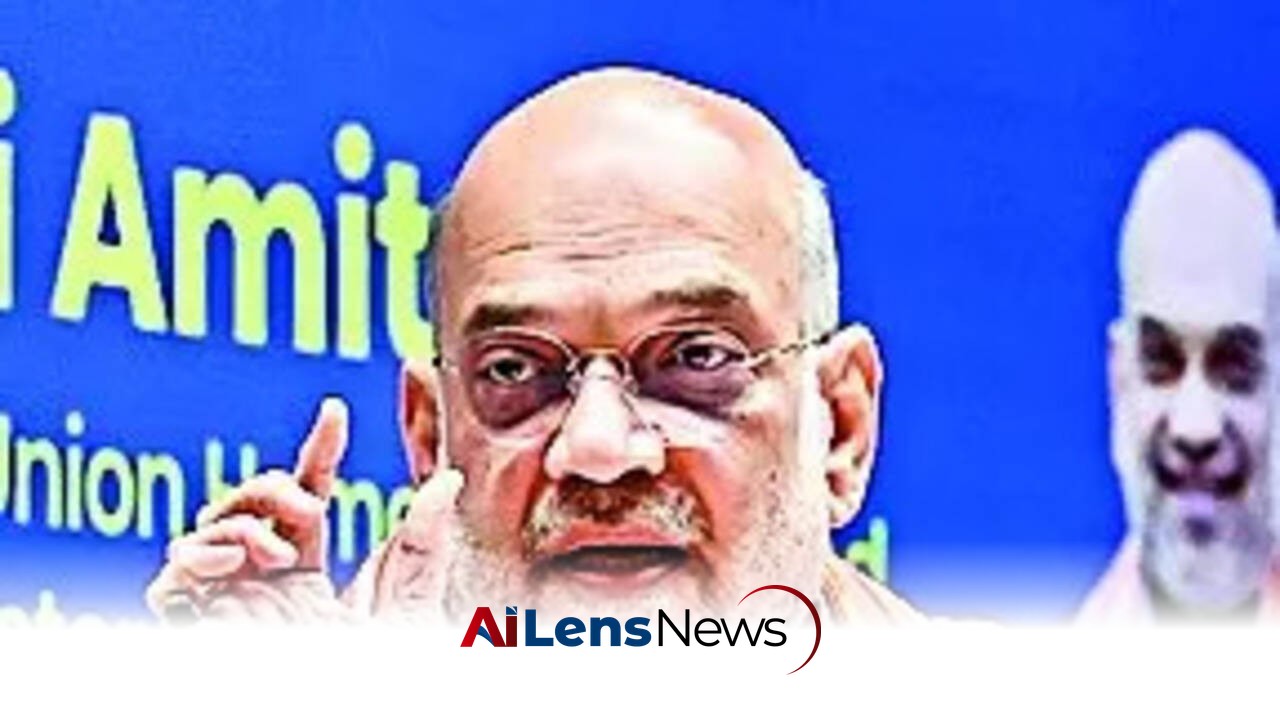


Union Home Minister Amit Shah emphasizes the impact of illegal immigration on demographic changes in border areas, pledging a strong response from the Modi government.
New Delhi, India Jul 10, 2026 ALN: In a recent statement, Union Home Minister Amit Shah addressed the pressing issue of illegal immigration, identifying it as the primary factor contributing to demographic shifts in border districts. Speaking at a public event in New Delhi, Shah reiterated the Modi government's commitment to tackling this challenge with a firm and uncompromising approach.
Shah's remarks come amid growing concerns over the changing demographics in regions adjacent to international borders. These border districts have become focal points of political and social discourse, as they often experience significant influxes of migrants from neighboring countries. The demographic changes in these areas can lead to various challenges, including tensions between communities, strain on local resources, and shifts in political power dynamics. Shah asserted that the government will implement a robust mechanism aimed at making the country infiltration-free. This initiative is part of a broader strategy to ensure national security and maintain the integrity of the nation's demographic landscape.
The Union Home Minister emphasized that illegal immigration poses a significant threat not only to the demographic balance but also to the social fabric of the nation. He stated,
“We will not allow any illegal immigrants to disrupt the harmony of our border districts.”
This statement underscores the government's determination to address the issue head-on. The Modi administration has consistently articulated a narrative that positions illegal immigration as a national security concern. This narrative is particularly resonant in border districts, where residents may feel the direct impact of demographic changes. The government's stance is also reflective of broader trends in global politics, where issues of migration and border security have become increasingly prominent.
To combat illegal immigration, Shah outlined several key measures that the government plans to implement:
These measures reflect a multi-faceted approach to addressing the issue of illegal immigration. While enhanced surveillance and a stronger legal framework are critical components of a comprehensive strategy, community engagement is equally important. Engaging local populations can lead to better intelligence on illegal activities and foster a more cooperative relationship between residents and law enforcement agencies.
Shah's comments reflect a broader political strategy as the Modi government seeks to consolidate its support base in border regions. By addressing the sensitive issue of illegal immigration, the government aims to resonate with voters who prioritize national security and demographic stability. This is particularly relevant in the context of upcoming elections, where issues of security and immigration are likely to be pivotal in shaping voter preferences.
The political landscape is often influenced by regional dynamics, and border districts are no exception. These areas can be politically volatile, with demographic shifts potentially leading to changes in electoral outcomes. By taking a strong stance on illegal immigration, the Modi government is likely seeking to reassure its core supporters while also appealing to undecided voters who may view immigration as a pressing issue.
Moreover, the government's focus on illegal immigration can also be seen as a response to growing nationalist sentiments within the country. The rise of identity politics has made immigration a contentious issue, with various political factions leveraging it to galvanize support. By positioning itself as a defender of national integrity against illegal immigration, the Modi government aims to solidify its image as a strong and decisive authority.
The issue of illegal immigration in has historical roots, with various waves of migration occurring due to political instability, economic opportunities, and communal tensions in neighboring countries. Border districts, particularly those adjacent to Bangladesh and Pakistan, have seen significant demographic changes over the decades. The influx of migrants has often led to social tensions and has been a central topic in regional and national politics.
In recent years, the Modi government has intensified its focus on border security and illegal immigration, aligning with global trends where nations are increasingly prioritizing immigration control. This has included the introduction of controversial policies and discussions around citizenship that have sparked widespread debate and protests across the country.
The issue of illegal immigration remains a contentious topic in n politics. With Amit Shah's recent statements, it is clear that the Modi government is taking a definitive stance on this matter, promising to implement measures that will address the root causes of demographic changes in border districts. As the situation evolves, it will be crucial to monitor the government's actions and their impact on both local communities and national policy.
Furthermore, the implications of these measures extend beyond mere border security. They touch upon fundamental questions of citizenship, identity, and the rights of individuals living in border regions. As the government moves forward with its proposed initiatives, it will need to balance the imperative of national security with the need to uphold human rights and ensure that local populations are not unduly affected by sweeping policies aimed at curbing illegal immigration.
In summary, the challenge of illegal immigration is complex and multifaceted, requiring careful consideration and a nuanced approach. The government's commitment to addressing this issue will be closely watched, as it has the potential to shape the future of border districts and influence the broader political landscape in .
To learn more about the latest developments in Policies & Reforms, stay updated with our exclusive reports and analyses on AiLensNews.

