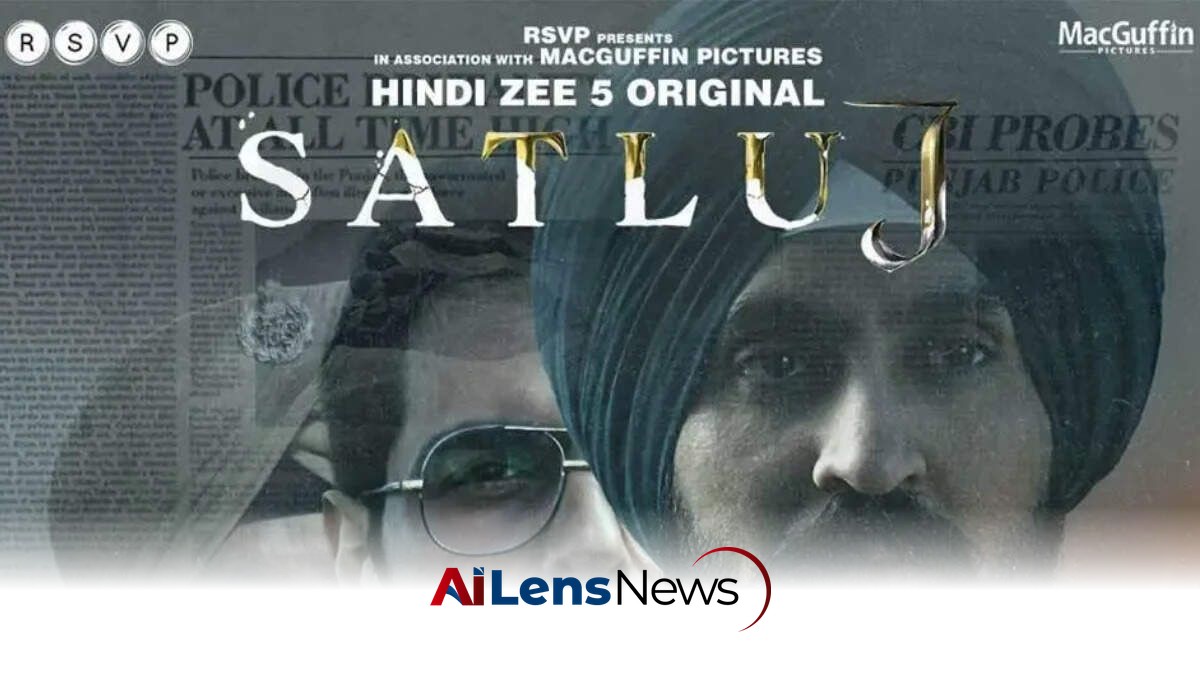


The government ordered the removal of the film 'Satluj' from ZEE5 due to security concerns, sparking controversy among families of victims depicted in the film.
New Delhi, India Jul 7, 2026 ALN: The government's directive to ZEE5 to remove the film 'Satluj' has ignited a significant controversy, drawing attention to the complex interplay between national security and freedom of expression in the arts. The decision, which was made shortly after the film's release on the OTT platform, underscores the sensitive nature of the content depicted in the film and the broader implications for artistic expression in contemporary society.
'Satluj' focuses on the life of activist Jaswant Singh Khalra, a notable figure in the struggle for justice for victims of human rights abuses during a tumultuous period in 's history. Khalra is best known for his efforts to expose the unlawful killings and disappearances of individuals in Punjab during the 1980s and 1990s, a time marked by significant political unrest and violence. His mysterious disappearance in 1995 remains a point of contention and pain for many families who continue to seek justice for their loved ones.
The film's portrayal of Khalra and the events surrounding his activism is not merely a cinematic endeavor; it is a representation of a painful chapter in 's history that many believe deserves recognition and dialogue. However, the government's assertion of security concerns suggests that officials believe the film could incite unrest or provoke sensitivities related to ongoing issues in the region.
This removal of 'Satluj' comes on the heels of previous challenges faced by the filmmakers, who had to navigate a complex landscape of censorship before the film's release. Initially, the film was released under a different title due to objections raised by censors. Such hurdles reflect the broader challenges that filmmakers encounter when tackling sensitive subjects that delve into historical injustices or political controversies. The n film industry has a long history of dealing with censorship, where narratives that challenge dominant political narratives or address contentious historical events often face scrutiny and restrictions.
The backlash from the families of victims depicted in the film highlights the emotional weight of the narrative and the importance of representation in media. Many families see the film as a crucial acknowledgment of their struggles and a means to keep the memory of their loved ones alive. They argue that the government's decision to pull the film from circulation is not only an act of censorship but also a denial of their lived experiences and the historical truths they wish to convey. This situation illustrates the broader societal implications of censorship, where the voices of marginalized communities are often silenced, limiting the public's understanding of historical injustices.
This incident raises critical questions about the balance between national security and artistic freedom. In democracies, the arts often serve as a platform for marginalized voices and can facilitate discussions about societal issues that may be uncomfortable or contentious. The government's intervention in this case signifies a potential overreach that could stifle artistic expression and inhibit public discourse on important historical events. Critics argue that the government's approach may lead to a culture of fear among creators, who may hesitate to explore sensitive topics for fear of reprisal.
Supporters of 'Satluj' contend that the removal of the film is indicative of a broader trend of censorship that threatens the fabric of free expression in the arts. They argue that engaging with stories of historical injustice is essential for societal healing and understanding. By silencing such narratives, they claim, the government risks perpetuating a cycle of unacknowledged pain and unresolved grievances. The implications of this decision extend beyond just the film itself; it raises concerns about how future artistic projects may be approached and whether creators will self-censor to avoid potential backlash from authorities.
The fear of government intervention could lead to a chilling effect on filmmakers and artists who wish to explore sensitive topics, thus limiting the diversity of narratives that are presented to the public. This situation also highlights the need for a more transparent and accountable censorship process, where creators can engage with historical and political issues without the looming threat of censorship. The arts play a crucial role in fostering dialogue and understanding, and when they are stifled, society loses an essential avenue for reflection and growth.
As the debate surrounding 'Satluj' unfolds, it remains to be seen whether the film will be reinstated on ZEE5 or if further actions will be taken by the government regarding similar content in the future. The situation serves as a reminder of the delicate balance that must be maintained between safeguarding national interests and upholding the principles of free expression. In a society that values democracy, it is crucial to foster an environment where diverse voices can be heard and historical truths can be explored, even when they are uncomfortable.
Moreover, the discourse surrounding the film and its removal could prompt broader discussions about the role of government in regulating art and media. It may lead to calls for clearer guidelines on censorship and a reevaluation of the criteria used to determine what constitutes a security threat in artistic works. Such discussions are vital in ensuring that the voices of those who have been historically marginalized are not silenced in the name of security. The arts should serve as a mirror reflecting society's complexities, and any effort to curtail this reflection can have far-reaching consequences.
In conclusion, the government's decision to remove 'Satluj' from ZEE5 has sparked a significant debate about censorship, artistic freedom, and the representation of historical injustices. As stakeholders from various sectors engage in this dialogue, it is essential to consider the implications of such actions on the future of artistic expression and the importance of acknowledging and confronting painful chapters in history. The outcome of this situation may set a precedent for how similar cases are handled in the future, influencing the landscape of media and the arts in for years to come. The ongoing discussions surrounding this incident could ultimately lead to a more robust framework for protecting artistic expression while also addressing legitimate security concerns.
To learn more about the latest developments in Political Controversies, stay updated with our exclusive reports and analyses on AiLensNews.

