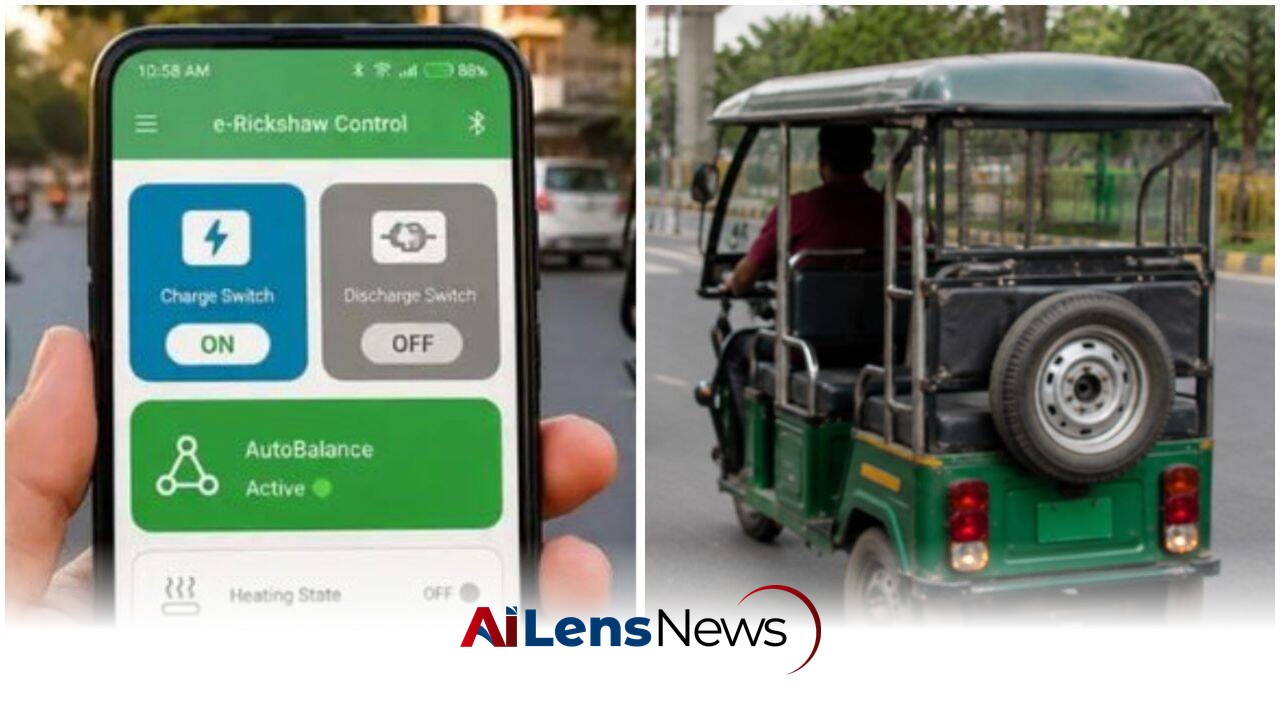


Vulnerable e-rickshaw batteries are being remotely disabled using Bluetooth apps. Government agencies have ordered app removals and initiated cybersecurity investigations.
New Delhi, India Jul 7, 2026 ALN: Vulnerable e-rickshaw batteries are being remotely disabled using Bluetooth apps. This alarming trend has prompted government agencies to order the removal of certain applications and initiate cybersecurity investigations. The rise of e-rickshaws, which are electric rickshaws primarily used for short-distance commuting, has transformed urban transportation in many countries, particularly in , where they are seen as a cost-effective and environmentally friendly alternative to traditional auto-rickshaws and other forms of public transport.
However, this innovation has not come without its challenges. Experts have pointed out that the root of the issue lies not solely in the specific applications being used, but rather in the insecure battery system designs that are prevalent in these low-cost vehicles. Many manufacturers prioritize affordability over digital security, which creates significant vulnerabilities. The battery management systems, which are crucial for monitoring and controlling the performance of the batteries, often lack robust security features. This oversight can lead to unauthorized access and control over the vehicle's power system.
The vulnerabilities in e-rickshaw battery systems are particularly concerning given the rapid proliferation of these vehicles. E-rickshaws have become an essential mode of transport in urban areas, especially for daily commuters who rely on them for quick and affordable travel. The convenience they offer has led to a significant increase in their adoption. However, the recent incidents of remote battery disabling have raised serious questions about their safety and reliability, casting a shadow over their reputation as a secure mode of transport.
The implications of these vulnerabilities extend beyond individual vehicles. They highlight broader risks associated with connected transport systems, where the integration of technology can lead to unforeseen security challenges. As e-rickshaws become more common, the need for robust cybersecurity measures becomes increasingly critical. The interconnectedness of modern transportation systems means that a breach in one area can have cascading effects, potentially compromising the safety of many users. This situation serves as a wake-up call for manufacturers, regulators, and consumers alike about the importance of prioritizing cybersecurity in the development and deployment of connected vehicles.
In response to these incidents, government agencies are taking action. The removal of certain apps is a step towards mitigating the immediate risks, but experts argue that a more comprehensive approach is needed. This includes redesigning battery systems to enhance security and implementing stricter regulations for app developers. Manufacturers must be held accountable for integrating security features into their products from the outset, rather than treating cybersecurity as an afterthought. Furthermore, the regulatory framework surrounding e-rickshaws and their technological components needs to evolve to address the unique challenges posed by the integration of digital technologies in transportation.
Moreover, the situation underscores the importance of public awareness regarding cybersecurity in transportation. As consumers increasingly rely on technology for convenience, they must also be informed about the potential risks associated with connected devices. Educational initiatives and awareness campaigns can help empower users to make informed decisions about the technologies they use and the potential vulnerabilities they may face. Consumers should be encouraged to seek out vehicles and applications that prioritize security and to report any suspicious activity they encounter.
In conclusion, while the remote disabling of e-rickshaw batteries through Bluetooth apps may seem like a localized issue, it exposes a much larger problem within the realm of cybersecurity in transportation. Addressing these vulnerabilities will require collaboration between manufacturers, government agencies, and consumers to ensure the safety and security of connected transport systems. This incident serves as a critical reminder that as technology continues to advance, so too must our approaches to security. The transportation sector must adapt to the evolving landscape of digital threats, ensuring that innovations do not come at the expense of safety and reliability.
Looking ahead, it is essential for stakeholders in the e-rickshaw industry, including manufacturers, app developers, and regulatory bodies, to work together to create a safer environment for users. This collaboration could involve developing industry standards for cybersecurity in electric vehicles, conducting regular security audits, and fostering a culture of transparency regarding potential vulnerabilities. By prioritizing security in the design and implementation of e-rickshaw technologies, the industry can help restore consumer confidence and ensure that these vehicles remain a viable and secure option for urban transportation.
In addition, the integration of advanced technologies such as artificial intelligence and machine learning into e-rickshaw systems could enhance security measures by enabling real-time monitoring and threat detection. These technologies can help identify unusual patterns or behaviors that may indicate a potential breach, allowing for swift action to mitigate risks. The future of e-rickshaw transportation could be not only more efficient but also significantly more secure, provided that cybersecurity is given the attention it deserves.
Ultimately, the incidents involving the remote disabling of e-rickshaw batteries highlight the urgent need for a paradigm shift in how cybersecurity is approached in the transportation sector. As the world moves towards greater connectivity and automation, it is imperative that safety and security remain at the forefront of technological advancements. Only through proactive measures, collaboration, and a commitment to continuous improvement can the transportation industry navigate the challenges posed by an increasingly digital landscape.
To learn more about the latest developments in Political Controversies, stay updated with our exclusive reports and analyses on AiLensNews.

