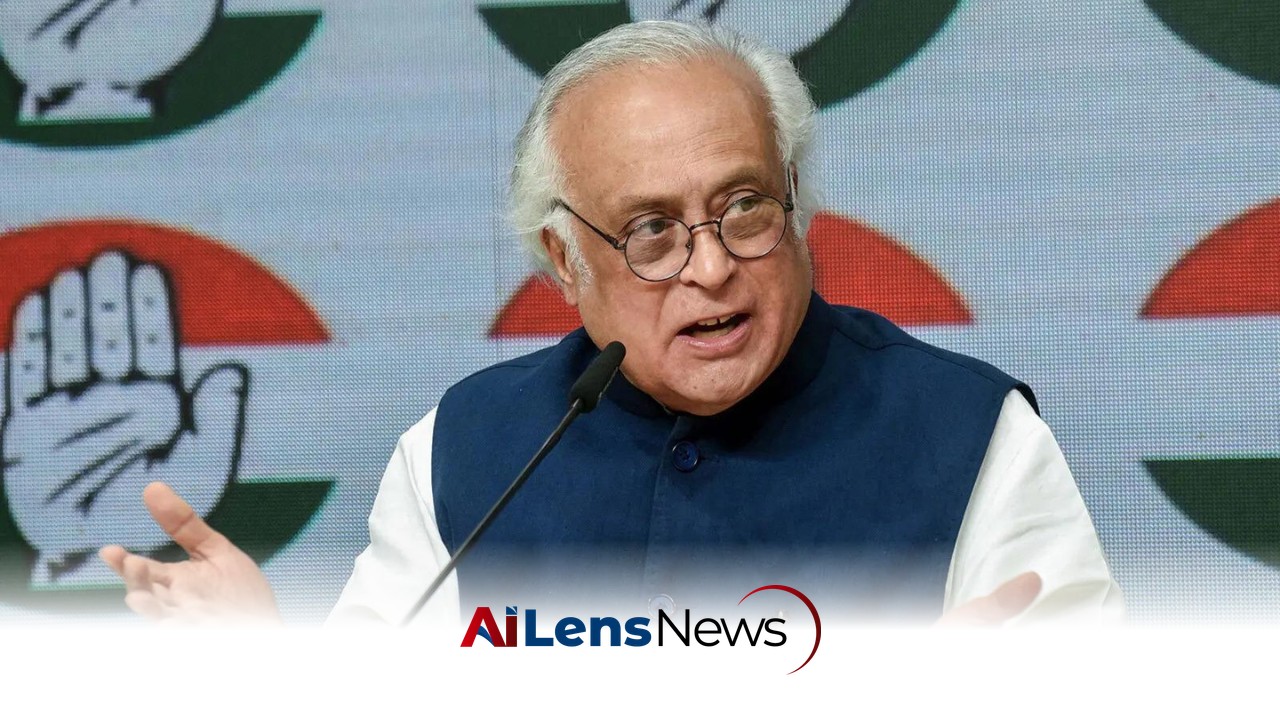


The Congress party has called for the dissolution of the Ram Janmabhoomi Teerth Kshetra Trust amidst allegations of donation theft and demands a Supreme Court investigation.
New Delhi, India Jul 4, 2026 ALN: The Congress party's recent demand for the dissolution of the Ram Janmabhoomi Teerth Kshetra Trust has ignited a significant political controversy in , particularly in the context of the ongoing discussions about transparency and accountability in the management of religious funds. The trust, established to oversee the construction of the Ram Temple in Ayodhya, has been embroiled in allegations of donation theft, raising serious concerns about its financial practices and governance. This situation has not only sparked a political firestorm but has also brought to the forefront the critical issues of ethics in fundraising and transparency in religious organizations.
The Ram Janmabhoomi movement, which culminated in the Supreme Court's landmark decision in 2019 granting the land for the temple to Hindu groups, has been a focal point of Hindu nationalism in . The temple's construction is seen by many as a fulfillment of a long-standing religious aspiration, but it has also become a symbol of political power and cultural identity. The trust's financial dealings are now under scrutiny, with allegations suggesting that funds intended for the temple's construction may have been misappropriated. This scrutiny is particularly poignant given the historical significance of Ayodhya in Hindu mythology and its contentious past, which has fueled decades of political and social conflict.
In light of these allegations, Congress leaders have called for a Supreme Court-monitored investigation into the trust's financial activities. This demand reflects not only a concern for ethical governance but also a strategic political maneuver by the Congress party to position itself as a champion of accountability in a political landscape often dominated by the ruling Bharatiya Janata Party (BJP) and its affiliates. The Congress party's stance underscores the growing public sentiment that demands transparency in financial dealings, particularly when it involves funds raised for religious purposes. This sentiment is increasingly relevant in a country where the intertwining of religion and politics often complicates governance and public trust.
The criticism directed at the Rashtriya Swayamsevak Sangh (RSS), a right-wing Hindu nationalist organization closely associated with the BJP, further illustrates the deepening political divide. The Congress party has labeled the RSS's defense of the trust as a "clean chit," suggesting that such a stance is not only politically motivated but also an attempt to shield the trust from legitimate scrutiny. This rhetoric resonates with a segment of the population that is increasingly wary of the intertwining of religion and politics in , especially in light of past communal tensions and the role that religious organizations have played in shaping political narratives.
Financial misconduct allegations against the trust are not merely about monetary loss; they also have broader implications for public trust in governmental institutions and religious organizations. The trust's ability to manage its funds transparently is critical, as it reflects on the integrity of the entire movement surrounding the Ram Temple. If the allegations are substantiated, they could lead to a significant erosion of faith in the trust and its associated political entities. This erosion of trust could have far-reaching consequences, potentially affecting the support base of the BJP, which has heavily relied on the Ram Janmabhoomi movement to consolidate its political power.
Congress spokespersons have articulated that the issue at hand transcends financial misconduct, framing it as a crucial political challenge that could significantly impact public perception of the government and its affiliates. By taking a firm stance against the trust, the Congress party aims to galvanize public support and portray itself as a responsible opposition party committed to upholding democratic values and accountability. This strategy could be seen as an attempt to reclaim some of the political ground lost to the BJP in recent elections, particularly in states where the Congress has historically held sway.
The demand for a Supreme Court investigation is particularly noteworthy, as it highlights the role of judicial oversight in matters of public interest. The Supreme Court has previously been involved in adjudicating matters related to the Ram Janmabhoomi dispute, and its involvement in investigating the trust's financial dealings could lend credibility to the inquiry. This could potentially lead to a more transparent examination of the trust's operations, which is essential for restoring public confidence. The judiciary's role in this matter is crucial, as it could serve as a check against political overreach and ensure that accountability mechanisms are upheld.
As the situation develops, the response from the government and the Ram Janmabhoomi Teerth Kshetra Trust will be closely monitored. The trust, which has garnered significant support from various segments of society, will need to address these allegations comprehensively to mitigate any damage to its reputation. Failure to do so could have long-lasting repercussions not only for the trust but also for the political landscape in . The trust's leadership may find itself in a precarious position, as it navigates the demands for transparency while maintaining the support of its base.
Moreover, the implications of this controversy extend beyond just the immediate financial mismanagement claims. It raises questions about the broader relationship between religion and politics in , particularly how religious institutions are funded and governed. The trust's financial practices may prompt a reevaluation of how religious entities are regulated, especially those that engage in large-scale fundraising efforts. This reevaluation could lead to calls for greater oversight of religious organizations, which may alter the dynamics of political support that these organizations provide to political parties.
The Congress party's proactive stance on this issue may also reflect a broader strategy to reconnect with its traditional voter base, which has been increasingly fragmented in recent years. By championing accountability and transparency, the Congress party seeks to position itself as a viable alternative to the ruling BJP, which has been accused of fostering a culture of impunity among its affiliates. This strategic positioning may resonate with voters who are disillusioned by corruption and mismanagement, potentially revitalizing the Congress party's standing in national politics.
In conclusion, the Congress party's call for the dissolution of the Ram Janmabhoomi Teerth Kshetra Trust and the demand for a Supreme Court investigation highlight the intense political tensions surrounding this issue. As public scrutiny intensifies, the outcome of this controversy will be pivotal in shaping the narrative around governance, accountability, and the intersection of religion and politics in . The trust's future, as well as the political fortunes of the Congress party and the BJP, may hinge on the resolution of these allegations and the broader public response to the unfolding events. The unfolding drama surrounding the trust will likely continue to influence political discourse and public sentiment in the months leading up to future elections, making it a critical point of focus for all stakeholders involved.
To learn more about the latest developments in Political Controversies, stay updated with our exclusive reports and analyses on AiLensNews.

