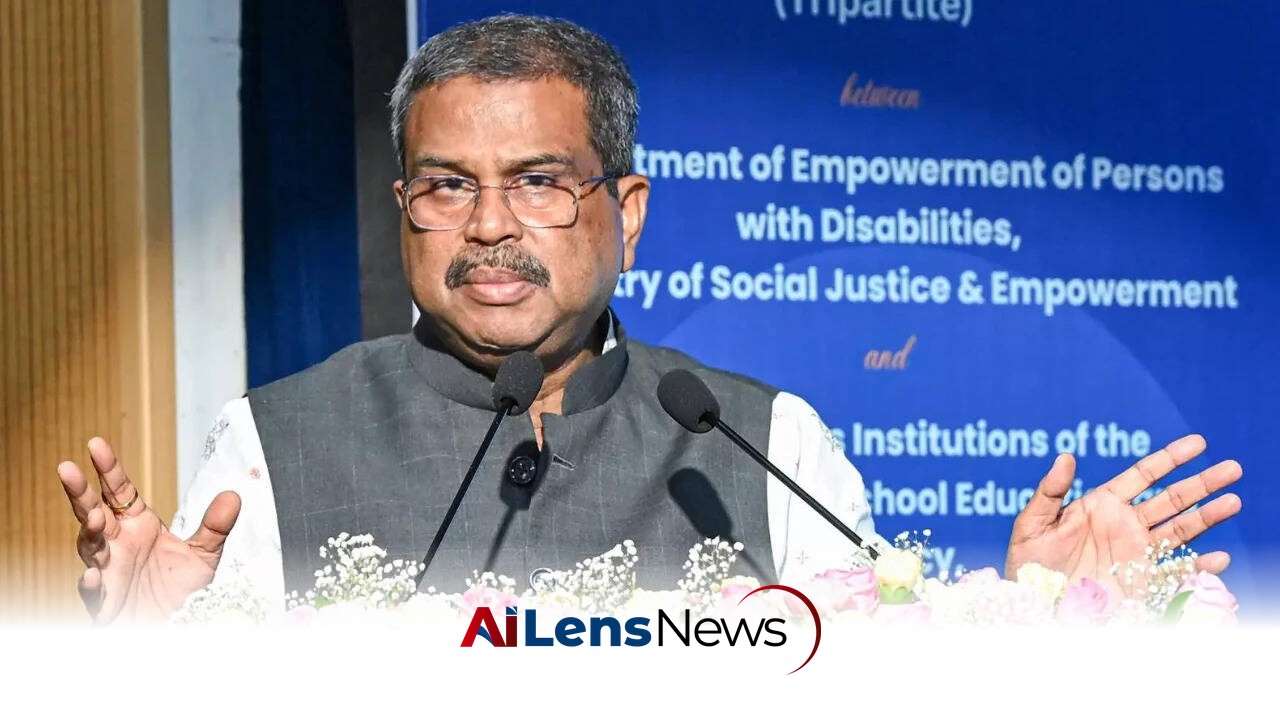


The Union ministry of education has initiated an investigation into NCERT's decision to blacklist a textbook paper supplier, assessing due process and implications for students.
New Delhi, India Jul 10, 2026 ALN: The Union ministry of education has ordered a thorough investigation into the National Council of Educational Research and Training's (NCERT) controversial decision to blacklist a firm that supplied paper for school textbooks. This inquiry comes in response to concerns regarding the decision's implications for the education sector, particularly for the millions of students who rely on NCERT textbooks.
The probe aims to scrutinize the circumstances surrounding the blacklisting of the supplier, examining whether due process was adhered to throughout the decision-making process. The NCERT's actions have raised questions about transparency and accountability, prompting the ministry to take a closer look at the situation.
The NCERT is responsible for developing educational materials and textbooks for schools across the country. Established in 1961, the NCERT plays a crucial role in shaping the educational landscape by creating curriculum guidelines, developing textbooks, and providing training to teachers. The decision to blacklist the supplier has significant ramifications, as it could impact the availability and distribution of essential educational resources. The ministry's inquiry will investigate the reasons behind the blacklisting and whether the firm was given a fair opportunity to address any alleged shortcomings.
Blacklisting a supplier is a serious action that can stem from various issues, including failure to meet quality standards, delays in delivery, or other contractual breaches. However, the lack of clarity regarding the specific reasons for NCERT's decision has raised eyebrows among stakeholders in the education sector. Critics argue that such actions should be substantiated with clear evidence and proper communication to avoid unnecessary disruptions in the supply chain.
With millions of students depending on NCERT textbooks for their education, any disruption in the supply chain could have serious consequences. The investigation will also consider how the blacklisting might affect the printing and distribution processes, potentially leading to delays in the availability of textbooks for the upcoming academic year. The academic calendar in is often tightly scheduled, and any delays in textbook availability can hinder students' learning experiences, especially in foundational years where early education plays a critical role in shaping future academic success.
Moreover, the blacklisting could lead to increased costs for other suppliers who might need to step in to fill the gap left by the blacklisted firm. This situation could ultimately affect the pricing of textbooks, which is a significant concern for many families, particularly in economically disadvantaged areas. The potential for increased costs and reduced availability of textbooks raises questions about equitable access to education, a fundamental right for all children in .
The ministry has stated that it will work closely with the NCERT to ensure a comprehensive review of the situation. Stakeholders, including educators and parents, are encouraged to provide feedback and insights that may assist in the inquiry. The findings of the investigation are expected to be released in the coming weeks, shedding light on the decision-making process and its broader implications.
In conducting the investigation, it will be essential to assess whether the NCERT followed its established protocols for supplier evaluation and blacklisting. This includes reviewing documentation related to the supplier's performance, any complaints lodged against them, and the communication process leading up to the blacklisting decision. Ensuring that these procedures were followed will be critical not only for this case but also for maintaining trust in the NCERT's operations and decision-making processes moving forward.
The investigation into NCERT's blacklisting of the textbook paper supplier underscores the importance of transparency in educational governance. In recent years, there have been increasing calls for accountability and openness in how educational bodies operate, particularly in light of the significant impact their decisions can have on students and educators alike. The quality of educational materials is paramount to effective learning, and any perceived mismanagement can lead to broader issues within the education system.
Moreover, this incident highlights the intricate relationship between governmental bodies and private suppliers in the education sector. The dynamics of these relationships can often influence educational quality and accessibility. As such, the ministry's inquiry could serve as a precedent for how similar cases are handled in the future, potentially leading to reforms in supplier evaluation processes and decision-making protocols.
The investigation into NCERT's blacklisting of the textbook paper supplier is not just about a single decision; it reflects larger themes of governance, accountability, and the impact of administrative actions on the educational landscape. As the ministry seeks to clarify the circumstances surrounding this decision, the focus remains on ensuring that students receive the resources they need for a quality education. The outcome of this inquiry could influence future policies regarding supplier management and the overall approach to educational resource allocation in .
Looking ahead, the findings from this investigation might not only address the immediate concerns surrounding the blacklisting but could also pave the way for potential reforms in the supplier management processes used by NCERT and similar organizations. If the inquiry reveals shortcomings in the existing protocols, it could lead to the establishment of more rigorous standards for evaluating suppliers, ensuring that all parties involved in the educational supply chain are held to high standards of accountability.
Furthermore, the implications of this situation extend beyond just the NCERT and the blacklisted supplier. It raises important questions about the overall governance of educational institutions in . The education sector has been under scrutiny in recent years, with stakeholders advocating for improvements in quality and access. This investigation could serve as a catalyst for broader discussions about how educational resources are procured, managed, and distributed across the country.
In addition, the outcome of this inquiry may influence public perception of the NCERT and its role in the education system. Trust in educational institutions is crucial for fostering a conducive learning environment. If the investigation leads to transparency and accountability, it could enhance the credibility of NCERT and its future initiatives.
Ultimately, the investigation into the blacklisting of the textbook paper supplier is a critical moment for the education sector in . As millions of students prepare for their academic journeys, the decisions made in the wake of this inquiry will have lasting impacts on the quality and accessibility of educational materials, shaping the future of education in the country.
To learn more about the latest developments in Government & Governance, stay updated with our exclusive reports and analyses on AiLensNews.

