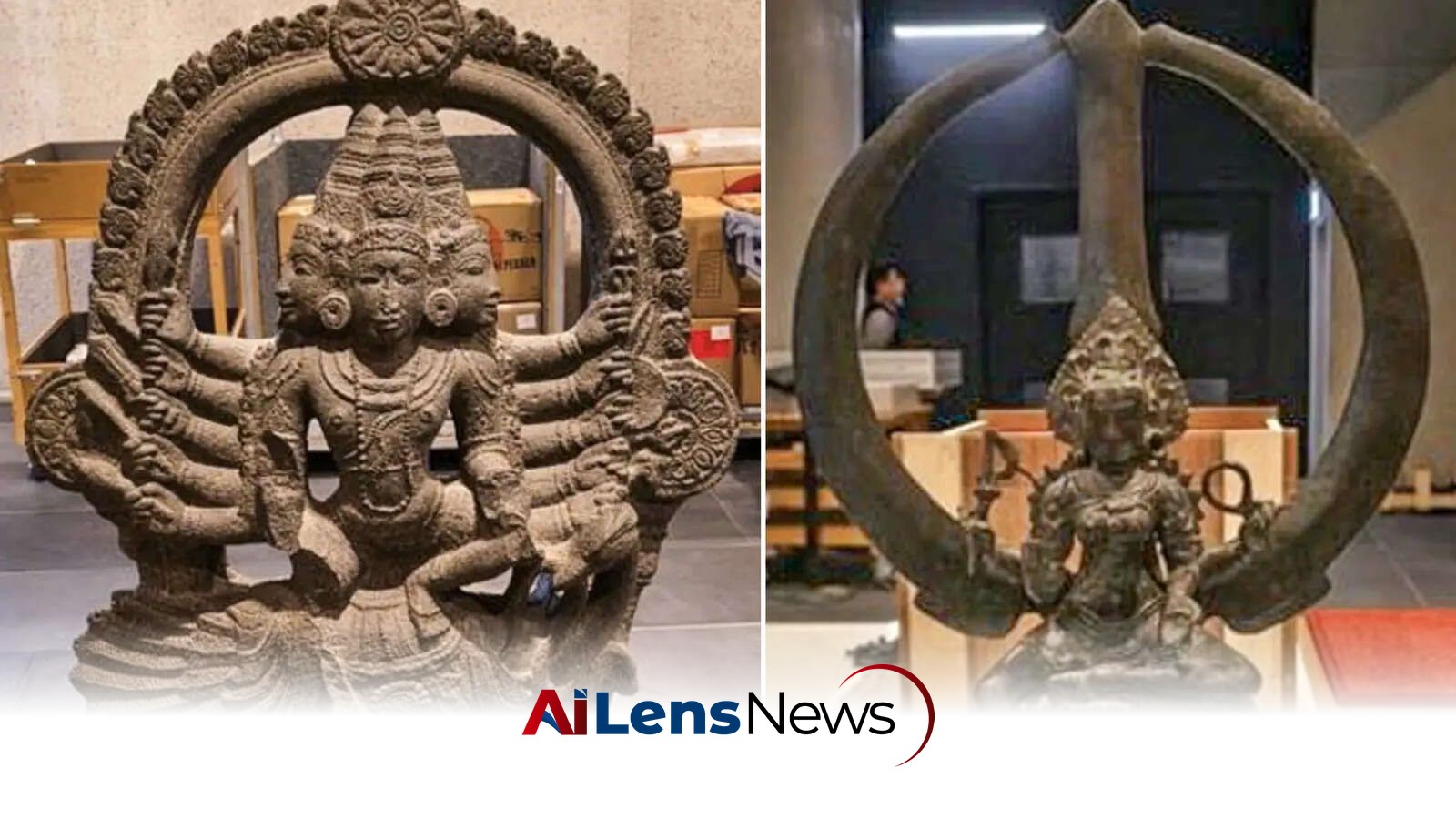


Australia is set to return three significant cultural artefacts, including a bronze trident and idols from Tamil Nadu temples, to .
New Delhi, India Jul 10, 2026 ALN: In a significant move towards cultural restitution, Australia has announced the repatriation of three artefacts of immense cultural importance to Tamil Nadu. These items, which include a ceremonial bronze trident of Goddess Bhadrakali, a granite idol of the sacred bull Nandi, and a basalt sculpture depicting the six-headed Karttikeya, were originally stolen from temples in the region. The decision to return these artefacts is part of a broader trend towards recognizing the importance of cultural heritage and addressing historical injustices related to the collection and ownership of such items.
The artefacts being returned are not only valuable for their artistic craftsmanship but also hold deep religious significance for the communities in Tamil Nadu. The bronze trident, associated with Goddess Bhadrakali, is a ceremonial object used in various religious rituals. Bhadrakali is often worshipped for her fierce and protective nature, and the trident symbolizes her power and authority. Similarly, the idol of Nandi, the sacred bull, is a revered figure in Hindu worship, often found at the entrance of Shiva temples, symbolizing strength and devotion. Nandi is not merely a decorative figure; he is considered the vehicle of Lord Shiva and is integral to the worship practices in various Hindu traditions.
The six-headed Karttikeya, known as the god of war and victory, is another crucial figure in Hindu mythology. This sculpture, made from basalt, showcases the intricate artistry of ancient Tamil craftsmen and reflects the rich cultural heritage of the region. Karttikeya, also known as Murugan, is particularly venerated in Tamil Nadu and is associated with themes of valor and triumph. The presence of his idol in temples serves as a reminder of the historical and spiritual narratives that have shaped the region's identity over centuries.
These artefacts were taken from their original locations during a period of cultural upheaval, often associated with colonial expansion and the looting of cultural treasures. The specific circumstances surrounding the removal of these items may involve various historical events, including the British colonial rule in , during which numerous artefacts were removed from their original contexts and transported to museums and collections in Western countries. Their return represents a broader movement towards acknowledging and rectifying historical injustices related to cultural heritage. Many countries, including Greece, Egypt, and others, have been actively working to reclaim stolen artefacts that hold significant cultural and historical value. This movement is not only about the physical return of items but also about restoring dignity and recognition to the cultures from which they originated.
The repatriation of these artefacts is not just a matter of returning stolen property; it is also about restoring cultural identity and heritage to the communities from which they were taken. The act of returning these items is expected to strengthen cultural ties between Australia and , fostering a deeper understanding and respect for each other's histories. For the Tamil Nadu communities, the return of these artefacts is a significant event that reinforces their cultural narratives and acknowledges their historical struggles.
This repatriation effort is also indicative of a growing global awareness regarding the ethics of museum collections and the ownership of cultural property. Many institutions are reevaluating their collections and considering the moral implications of holding onto artefacts that were acquired under dubious circumstances. The return of these three artefacts from Australia serves as a precedent and encourages other nations to engage in similar discussions about their own collections of cultural heritage items.
This initiative may pave the way for further discussions on the repatriation of other artefacts taken from and other countries. As global awareness of cultural heritage issues grows, more nations are likely to engage in similar efforts to return stolen artefacts to their rightful homes. This could lead to a more collaborative approach to cultural heritage management, where countries work together to ensure that artefacts are preserved and respected in a manner that honors their origins.
Moreover, the repatriation of these artefacts can inspire similar movements in other regions, particularly among indigenous communities and nations that have faced colonial exploitation. By highlighting the importance of cultural heritage and the need for restitution, this event underscores the potential for healing historical wounds and fostering reconciliation between nations. The return of artefacts often symbolizes a larger narrative of justice and recognition, allowing communities to reclaim their history and heritage.
In conclusion, the return of these three artefacts from Australia marks a significant step towards healing historical wounds and recognizing the importance of cultural heritage. It is a reminder of the ongoing efforts needed to address the complexities of cultural ownership and restitution in a globalized world. The implications of this act extend beyond the physical return of items; they touch upon issues of identity, respect, and the need for a shared understanding of history that honors the narratives of all cultures involved. As more countries engage in discussions about cultural restitution, the hope is that a more equitable and respectful global dialogue will emerge, paving the way for a future where cultural heritage is preserved and celebrated in its rightful context.
The repatriation of artefacts is part of a larger trend seen across the globe, where countries are increasingly demanding the return of cultural property that was taken during colonial . This movement has gained momentum over the past few decades, as nations recognize the importance of cultural heritage in shaping national identity and pride. Various international treaties and agreements, such as the UNESCO conventions, have sought to address these issues, providing frameworks for the return of cultural property.
In recent years, museums and institutions have begun to confront their roles in perpetuating colonial legacies. Many have initiated decolonization efforts, which include not only the return of artefacts but also the re-evaluation of exhibits and educational programs to better represent the histories and cultures of the peoples from whom these items were taken. This shift reflects a growing understanding that cultural heritage is not merely a collection of objects but a vital part of living cultures that must be treated with respect and dignity.
The return of these artefacts can also play a critical role in community engagement and cultural revival. For the Tamil Nadu communities, this act of repatriation may encourage a renewed interest in their cultural practices, traditions, and history. The presence of these artefacts in their original context can facilitate educational opportunities and promote cultural tourism, allowing local communities to share their heritage with a broader audience.
Furthermore, the return of culturally significant items can empower local communities to take charge of their heritage management. It allows them to create narratives that reflect their own histories and experiences, rather than relying solely on external interpretations. This empowerment can foster a sense of pride and ownership over cultural identity, contributing to the overall social and cultural wellbeing of the community.
The repatriation of the three artefacts from Australia to Tamil Nadu is a momentous occasion that resonates far beyond the physical objects themselves. It symbolizes a commitment to acknowledging historical injustices, restoring cultural identities, and fostering international cooperation in the realm of cultural heritage. As the global community continues to grapple with the legacies of colonialism and cultural appropriation, such acts of restitution serve as vital steps toward reconciliation and understanding. The hope is that this initiative will inspire further actions and discussions around cultural heritage, leading to a more equitable and respectful global narrative that honors the rich diversity of human history.
To learn more about the latest developments in Government & Governance, stay updated with our exclusive reports and analyses on AiLensNews.

